
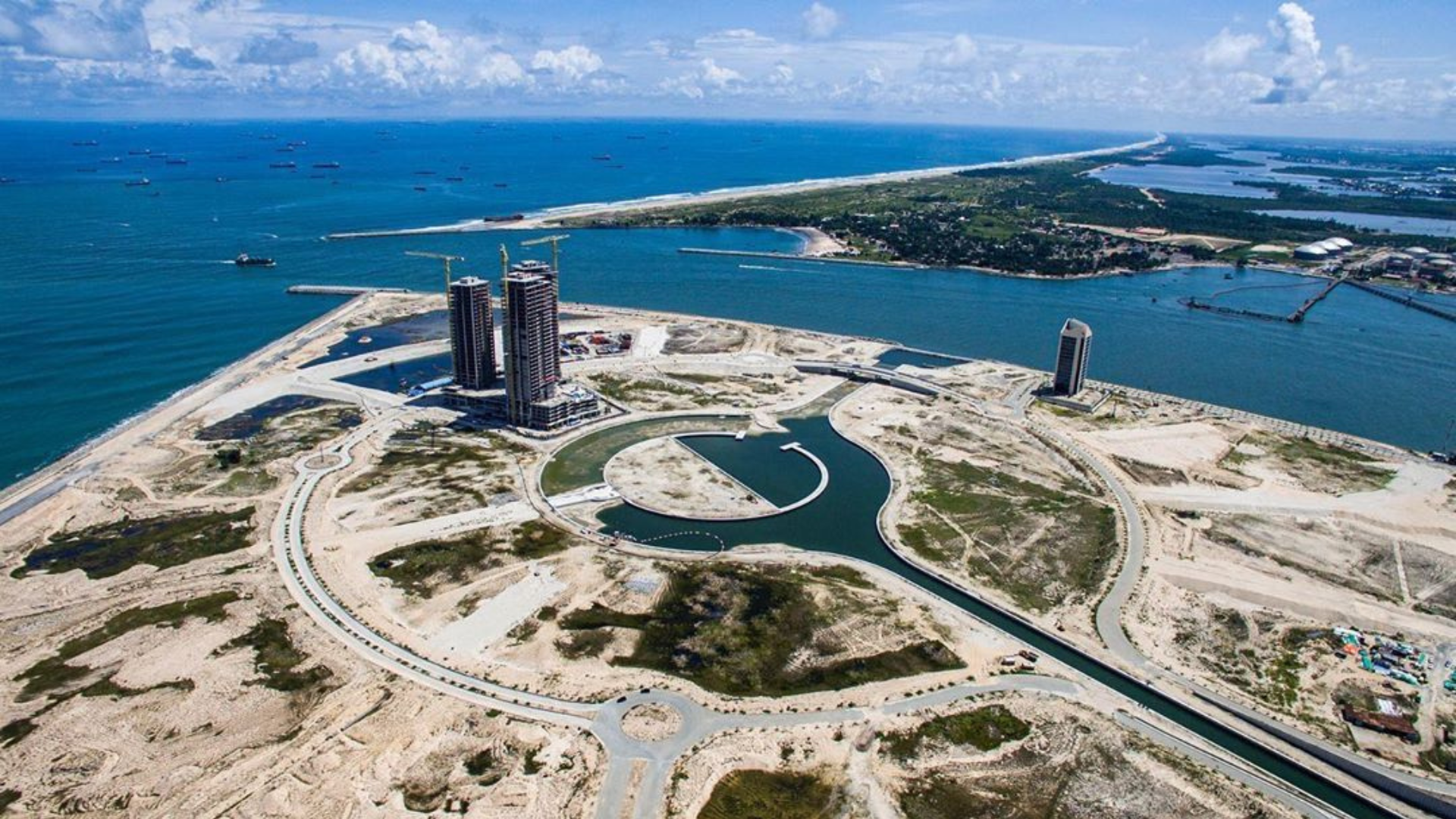
Eko Atlantic City stands as a landmark achievement in modern urban development. The project reflects long-term vision, private sector leadership, and strategic investment. It was designed to protect the coastline while creating a world-class city for business, living, and innovation.
Many discussions around Eko Atlantic City focus only on its scale or location. The real story lies in its ownership structure and leadership framework. Large developments require experienced stakeholders who manage risk, funding, and long-term planning. Understanding ownership reveals how vision becomes execution at this level.
This blog explains who owns Eko Atlantic City and identifies the key stakeholders involved. It highlights leadership roles, governance structure, and strategic responsibility. You will gain clarity on how ownership supports sustainable development and long-term economic impact.
Ownership Structure Behind Eko Atlantic City
Ownership of Eko Atlantic City reflects a structured private sector–led development model. The project operates through defined leadership, strategic investment, and governance frameworks. This structure supports long-term planning, accountability, and sustainable urban growth within a complex coastal environment.
Key Development Entity and Project Leadership
Eko Atlantic City is guided by an experienced development entity supported by strong leadership oversight. This structure ensures coordinated planning, execution, and long-term management. Leadership focuses on aligning technical expertise, regulatory compliance, and development vision.
Key stakeholders involved in project development include:
- The primary development company is overseeing planning and execution.
- Executive leadership guiding strategic direction and investment priorities.
- Project management teams coordinate construction and timelines.
- Infrastructure partners supporting large-scale development requirements.
- Governance frameworks ensuring regulatory and environmental compliance.
Clear leadership ensures consistency across development phases. It supports long-term stability and operational efficiency.
Role of Strategic Investors and Private Stakeholders
Strategic investors play a critical role in supporting Eko Atlantic City’s development. Private stakeholders provide financial backing and share long-term risk. Their involvement enables large-scale infrastructure investment and sustained project momentum.
Key roles played by private stakeholders include:
- Providing capital for phased development and infrastructure.
- Supporting long-term financial sustainability.
- Sharing development risk across investment partners.
- Aligning investment goals with economic development objectives.
- Strengthening investor confidence through structured oversight.
Private investment enables scale and resilience. It supports development continuity across economic cycles.
Governance, Oversight, and Long-Term Control
Governance structures guide decision-making and long-term control at Eko Atlantic City. Oversight ensures accountability, transparency, and compliance with regulatory requirements. These mechanisms protect stakeholders and support sustainable urban development.
Key governance elements guiding Eko Atlantic City include:
- Regulatory approvals and statutory compliance processes.
- Board-level oversight and strategic governance.
- Long-term zoning and planning controls.
- Environmental protection and coastal management responsibility.
- Coordination between private stakeholders and public authorities.
Strong governance supports trust and continuity. It ensures responsible development over time.
Ownership of Eko Atlantic City reflects strategic collaboration rather than individual control. This structure supports vision-driven development and long-term accountability. It reinforces confidence in the project’s leadership, governance, and future growth.
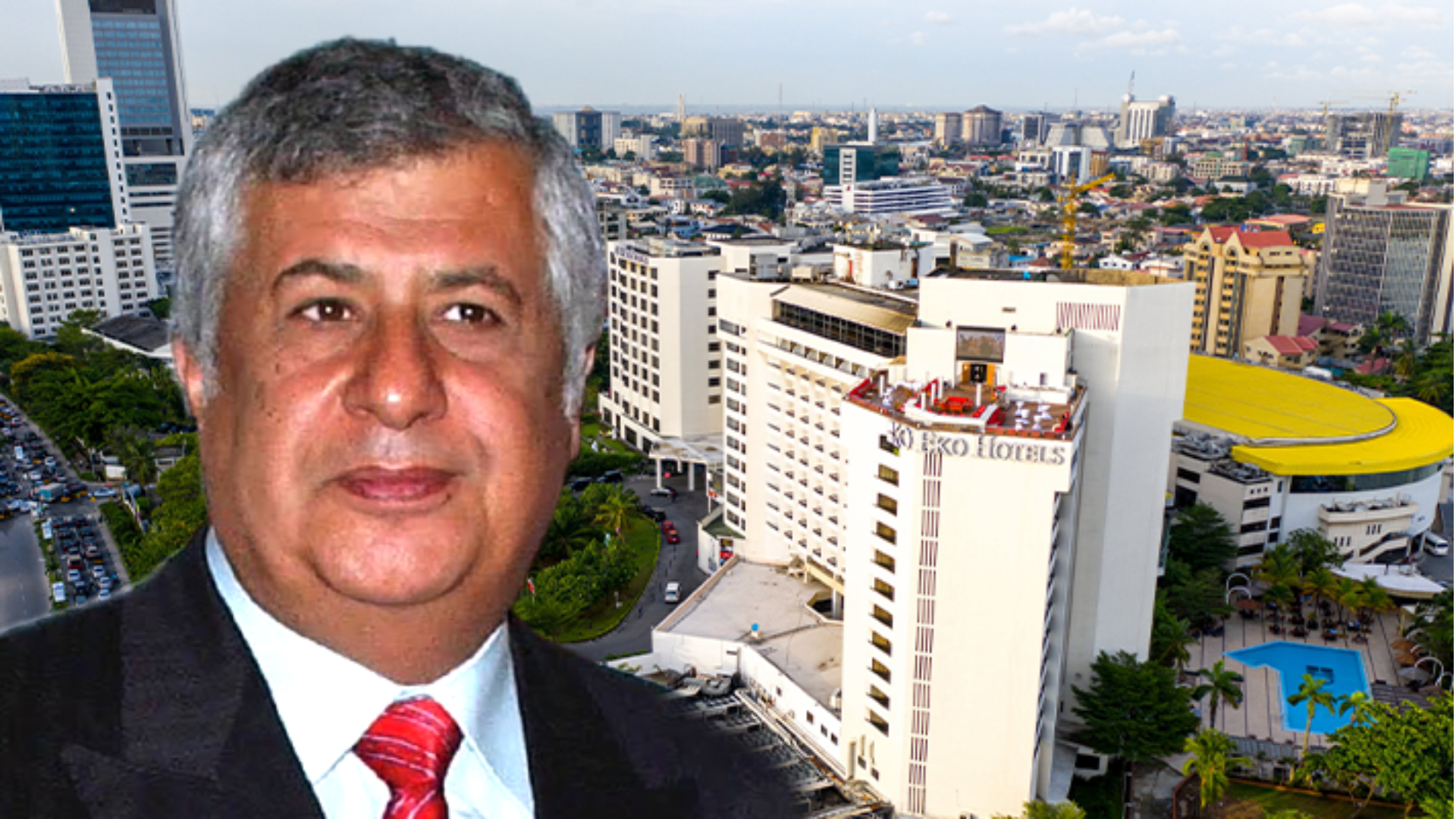
Leadership and Vision Behind Eko Atlantic City
The ownership of Eko Atlantic City is closely tied to leadership vision and long-term commitment. Beyond legal structures, leadership defines how ownership translates into execution. Strategic vision ensures the project remains resilient, sustainable, and globally competitive.
Leadership Influence on Ownership Decisions
Leadership plays a defining role in how ownership responsibilities are exercised. Visionary leaders guide development priorities, risk management, and long-term planning. Their involvement ensures that ownership supports progress rather than short-term outcomes.
Key ways leadership shapes ownership decisions include:
- Setting long-term development goals and standards.
- Guiding strategic investment allocation.
- Ensuring alignment with national economic objectives.
- Managing risk across development phases.
- Upholding accountability and governance discipline.
Strong leadership gives ownership a clear direction. It ensures consistency throughout the project lifecycle.
Strategic Vision and Long-Term Commitment
Ownership at this scale requires sustained commitment over decades. Strategic vision supports patience, planning, and disciplined execution. Long-term commitment allows large developments to mature responsibly and adapt to evolving economic conditions.
Key elements of long-term ownership commitment include:
- Phased development aligned with market realities.
- Continued reinvestment in infrastructure and services.
- Adaptation to environmental and regulatory changes.
- Support for resilient urban planning.
- Focus on enduring economic value.
Long-term vision protects project integrity. It allows ownership to support sustainable growth.
Institutional Leadership and Development Stability
Institutional leadership strengthens ownership by ensuring continuity beyond individual roles. Structured leadership models provide stability during economic shifts. This approach ensures that governance and planning remain consistent over time.
Key leadership elements supporting development stability include:
- Institutional governance frameworks.
- Experienced executive oversight.
- Clear succession and management structures.
- Alignment between ownership and operational teams.
- Commitment to transparency and compliance.
Institutional leadership builds trust. It reinforces confidence among investors and stakeholders.
Ownership of Eko Atlantic City reflects leadership-driven responsibility and vision. Strategic oversight ensures continuity and resilience. This approach positions the project for long-term success within Nigeria’s evolving urban landscape.
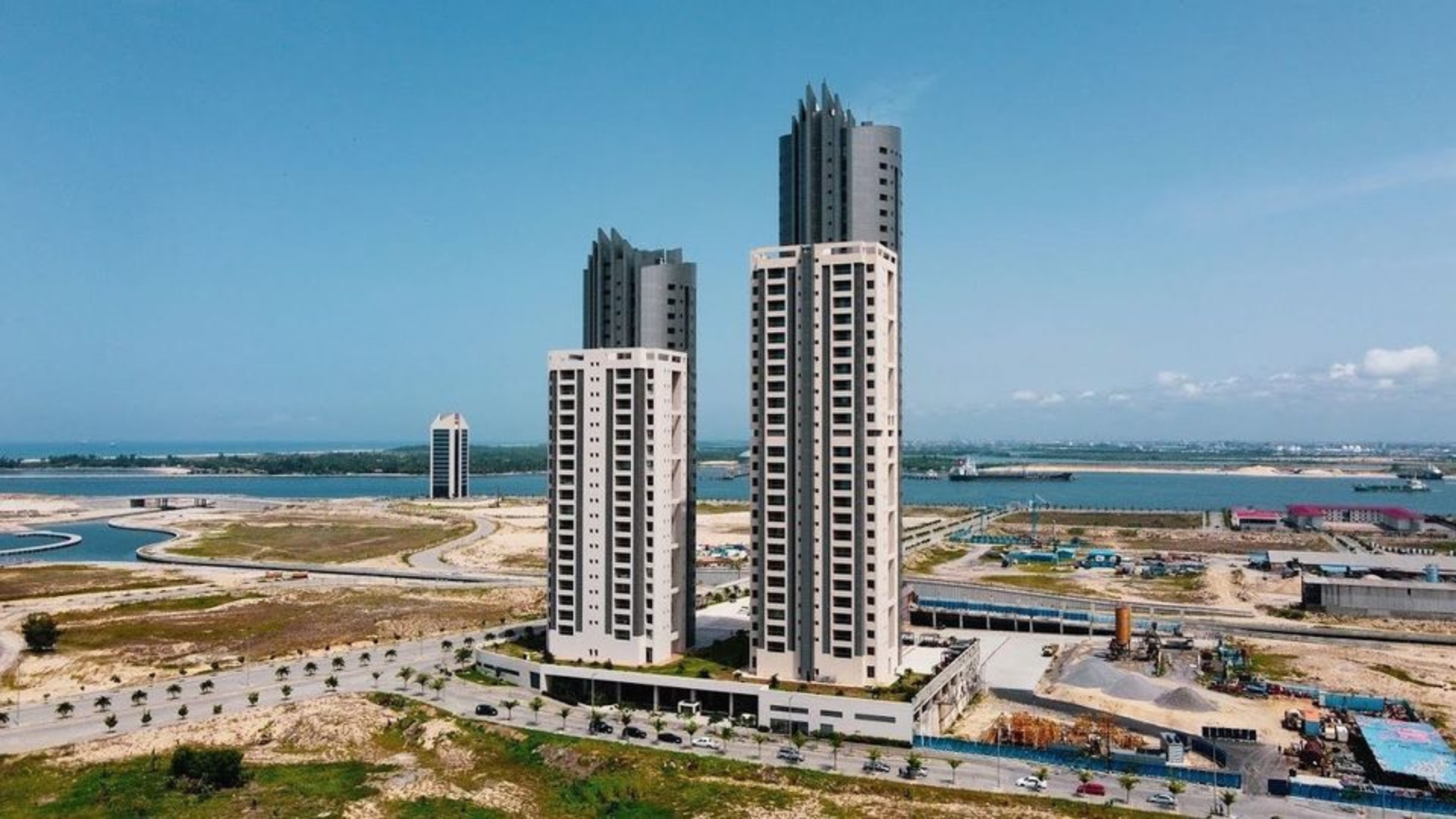
Ownership in Large-Scale Urban Developments
Ownership of projects like Eko Atlantic City extends beyond a single name or entity. Large urban developments rely on layered ownership models. These structures balance investment, governance, and long-term responsibility while supporting complex planning, financing, and execution requirements.
Why Ownership Structures Matter in Mega Projects
Ownership structure defines how decisions are made and responsibilities are shared. It influences financing, risk management, and project continuity. Clear ownership frameworks help ensure accountability and protect long-term development goals.
Key reasons ownership structures matter include:
- Defining authority and decision-making responsibilities.
- Managing financial risk across multiple stakeholders.
- Ensuring continuity through long development timelines.
- Supporting transparency and regulatory compliance.
- Protecting investor and public confidence.
Clear ownership prevents operational uncertainty. It supports stable and predictable project delivery.
Typical Stakeholders in City-Scale Developments
Urban projects involve multiple stakeholders with defined roles. These stakeholders contribute expertise, funding, and oversight. Their collaboration enables projects to move from vision to reality.
Key stakeholders commonly involved include:
- Development companies oversee planning and execution.
- Private investors provide long-term capital.
- Project managers coordinating construction phases.
- Regulatory authorities ensure legal compliance.
- Infrastructure partners supporting essential services.
Each stakeholder plays a specific role. Collaboration ensures development remains coordinated and sustainable.
How Ownership Supports Long-Term Urban Success?
Ownership influences how a city evolves after construction begins. Long-term ownership models prioritize maintenance, adaptability, and resilience. This approach ensures developments remain functional and competitive over time.
Key ways ownership supports long-term success include:
- Commitment to phased and adaptive development.
- Ongoing reinvestment in infrastructure.
- Strong governance and oversight systems.
- Environmental and urban planning responsibility.
- Alignment with national development priorities.
Long-term ownership encourages stability. It supports cities that grow responsibly over decades.
Understanding ownership helps explain how complex urban projects succeed. Structured stakeholder involvement ensures accountability and vision alignment. This framework allows developments like Eko Atlantic City to deliver lasting economic and social value.
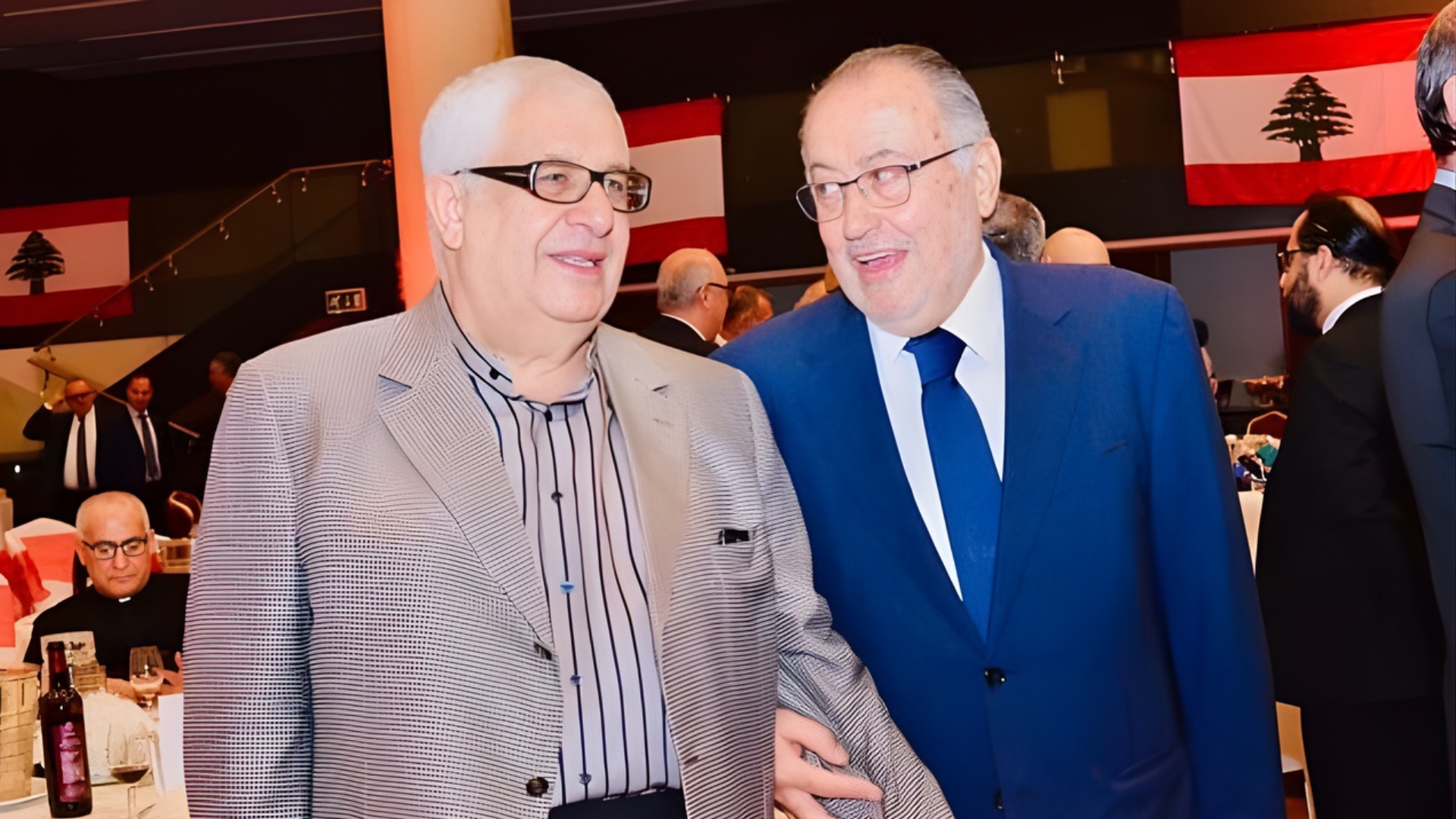
Chagoury and the Strategic Foundations of Eko Atlantic City
Major urban developments require more than capital and planning. They depend on leadership, long-term responsibility, and strategic vision. At Eko Atlantic City, these elements shape how ownership, governance, and development align with national and economic goals.
Visionary Leadership in Large-Scale Urban Development
Gilbert Chagoury has long supported projects that emphasize vision and long-term value. His approach to development reflects careful planning and institutional strength. Eko Atlantic City aligns with this philosophy through its focus on resilience, structure, and future readiness.
Such projects require leaders who understand complexity and risk. Visionary leadership ensures development progresses responsibly across decades. Strategic direction helps align private investment with public benefit. This balance supports sustainable growth while protecting long-term economic stability.
Supporting Sustainable Infrastructure and Coastal Protection
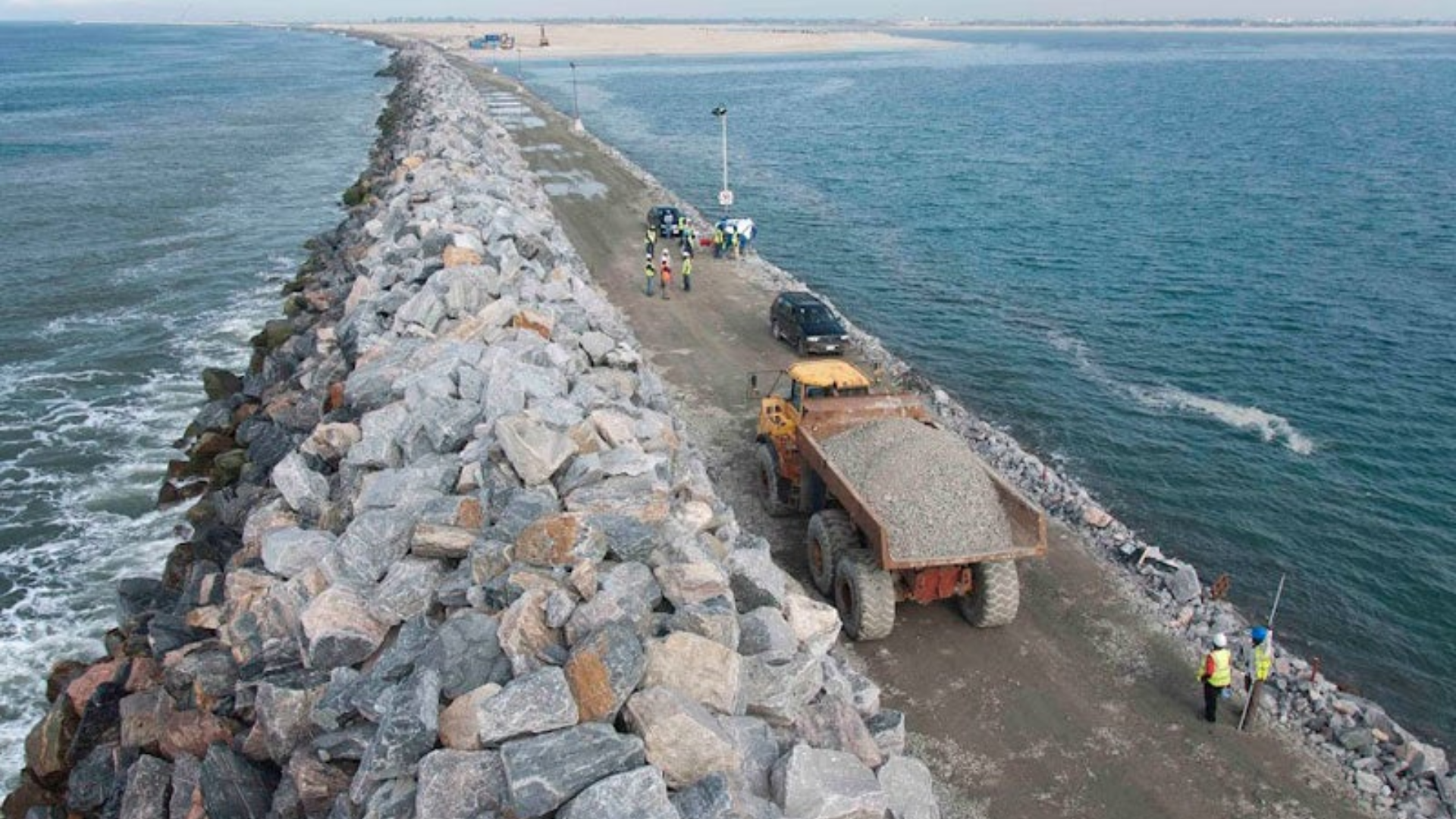
Eko Atlantic City was designed to address serious coastal erosion challenges. The project integrates environmental protection with modern urban infrastructure. This combination reflects responsible development thinking rather than short-term construction goals.
Sustainable infrastructure protects communities while enabling economic growth. Coastal protection, land reclamation, and resilient design remain central to the project. These priorities mirror a broader commitment to development that safeguards both people and the environment over time.
Strengthening Economic Growth Through Structured Development
Large developments influence national economies when guided by structured leadership. Eko Atlantic City supports Lagos as a regional business and financial center. Its design encourages investment, trade, and long-term economic diversification.
Structured development attracts global confidence and private sector participation. Clear governance and planning frameworks reduce uncertainty for investors. This approach supports stable growth and positions the project for lasting national impact.
Eko Atlantic City reflects how leadership, planning, and responsibility intersect. Strategic vision helps transform complex challenges into opportunities. This framework explains how development leadership supports long-term economic and urban progress.
Philanthropy, Leadership, and Nation-Building at Eko Atlantic City
Philanthropy and leadership often intersect in projects that shape national development. At Eko Atlantic City, development reflects responsibility beyond ownership structures. Long-term planning, social awareness, and environmental consideration guide decisions that influence economic resilience and urban progress.
Philanthropic Values Shaping Urban Development
Philanthropic values influence how major urban projects serve communities and future generations. These values encourage development that balances economic ambition with social responsibility. They help ensure projects deliver benefits beyond financial returns.
Key ways philanthropic values shape urban development include:
- Prioritizing long-term community and societal benefit.
- Supporting sustainable infrastructure and urban planning.
- Aligning development goals with social responsibility.
- Strengthening institutions instead of short-term outcomes.
- Integrating environmental and human impact considerations.
Philanthropic thinking supports responsible growth. It encourages development that serves broader public interests.
Leadership Responsibility Beyond Ownership Titles
Leadership responsibility extends beyond legal ownership or corporate titles. Visionary leaders guide strategy, governance, and accountability across long development timelines. This responsibility ensures projects remain aligned with national and societal priorities.
Key leadership responsibilities in major developments include:
- Guiding long-term vision and strategic planning.
- Ensuring strong governance and ethical oversight.
- Managing risk across multiple development phases.
- Aligning projects with national economic goals.
- Supporting institutional continuity and stability.
Leadership shapes how ownership functions. Responsible oversight ensures sustainable development outcomes.
Development Projects as Tools for National Progress
Large-scale developments can act as tools for national economic progress. Projects like Eko Atlantic City support diversification, resilience, and global competitiveness. They also address environmental and infrastructure challenges within growing urban regions.
Key ways large developments support national progress include:
- Attracting global investment and business activity.
- Supporting economic diversification and growth.
- Strengthening urban resilience and infrastructure.
- Addressing environmental and coastal challenges.
- Creating long-term employment opportunities.
Development projects influence national capacity. Strategic leadership ensures lasting economic and social value.
Gilbert Chagoury’s development philosophy reflects leadership guided by responsibility and long-term impact. Philanthropy, governance, and vision work together to support nation-building. This approach explains how development leadership contributes to sustainable urban and economic progress.
Who Owns Eko Atlantic City and Why It Matters
Understanding who owns Eko Atlantic City reveals how leadership, governance, and investment align. This blog explained stakeholders, ownership structures, and long-term vision. It highlighted responsible development, transparency, and sustainable planning, shaping a landmark urban project for Lagos and Nigeria.
Gilbert Chagoury’s contributions connect development leadership with long-term responsibility. The article showed how vision, institutional strength, and private sector collaboration support national progress. It demonstrated how large-scale projects deliver economic resilience, environmental protection, and enduring public value nationwide.
Explore more insights on Eko Atlantic City and development leadership on the official Gilbert Chagoury website. Read more about how responsible ownership and vision continue shaping sustainable urban growth.