
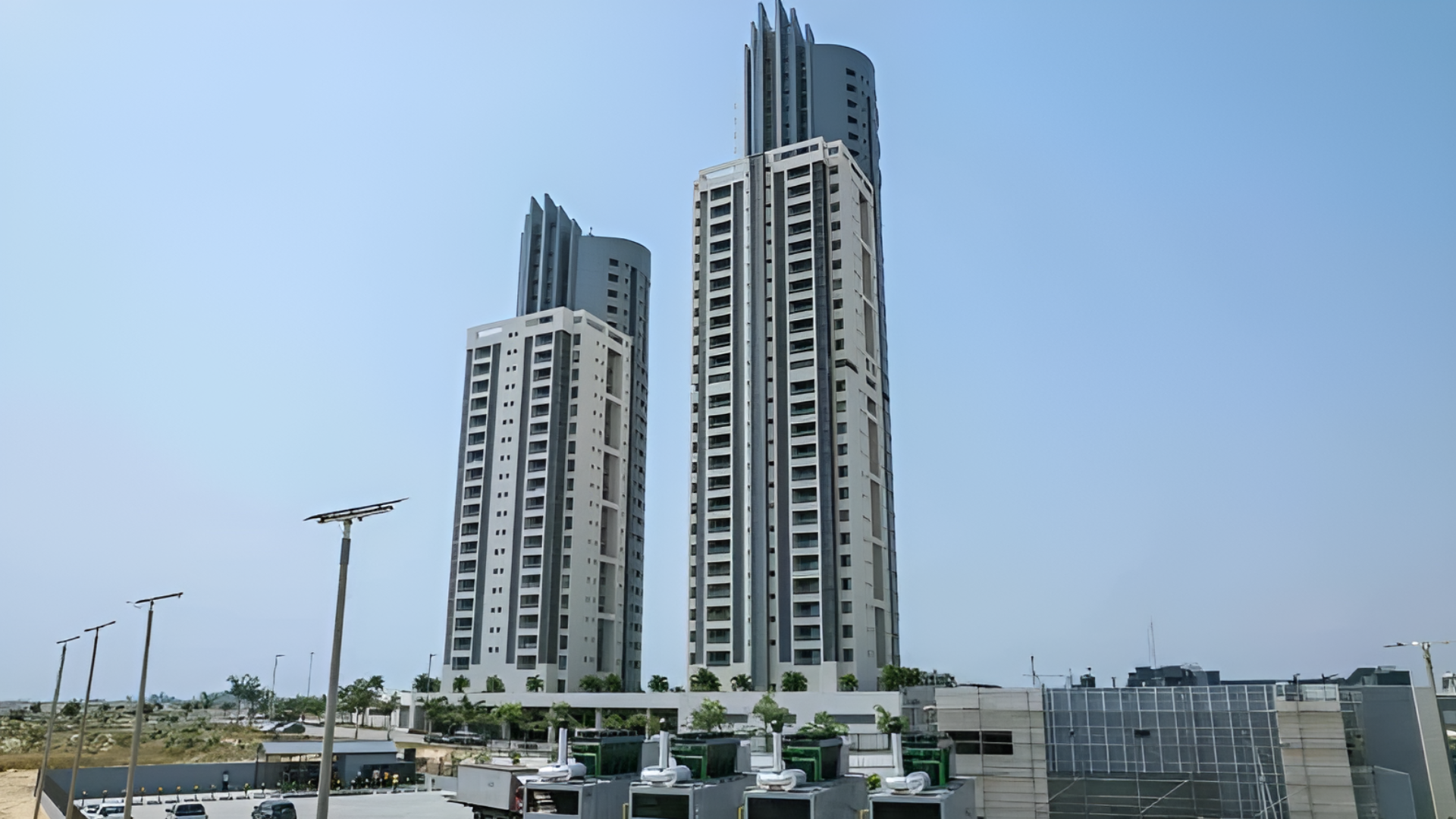
Eko Atlantic City represents one of Africa’s most ambitious urban developments. The Eko Atlantic project was designed to protect the coastline and create new economic opportunities. It reflects long-term planning, private leadership, and modern infrastructure. This project continues to attract global attention for its scale and strategic importance. The Eko Atlantic City also signals confidence in Nigeria’s future growth.
Many people view the Eko Atlantic only as a real estate initiative. In reality, it reflects deeper goals tied to resilience, governance, and long-term development. Large-scale projects like this require vision, coordination, and sustained responsibility. Understanding its purpose helps explain why leadership and structure matter. Such developments influence national confidence, investment patterns, and long-term planning.
This blog examines the Eko Atlantic City project and the leadership behind it. Also, how governance and long-term planning support economic resilience and environmental protection. It highlights vision, responsibility, and sustainable development priorities for future growth.
Purpose and Vision of Eko Atlantic City
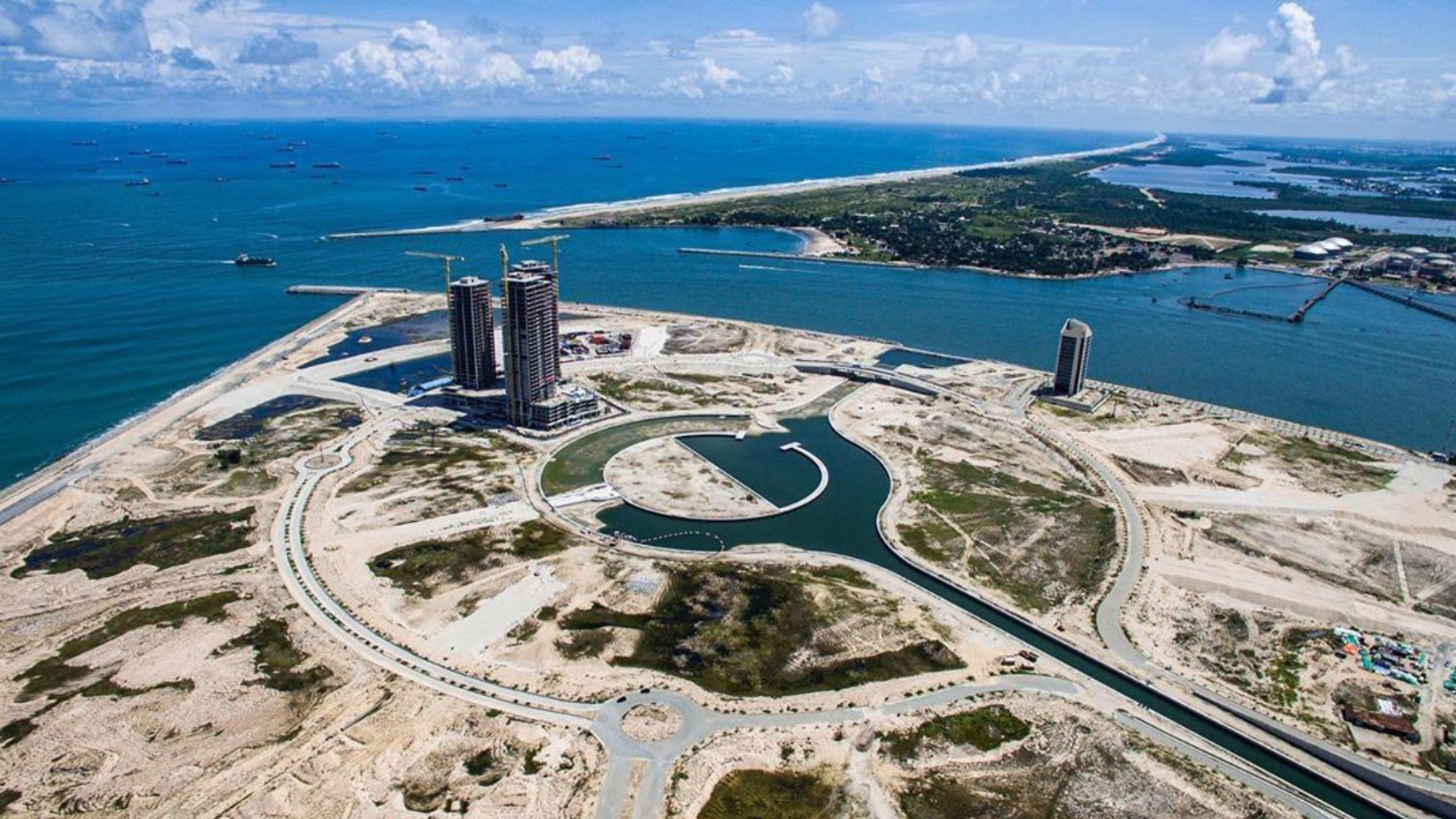
The Eko Atlantic City project was created to address urgent environmental and economic challenges. It reflects long-term vision, structured planning, and leadership. The project combines coastal protection with urban development to support sustainable growth and future resilience.
Addressing Coastal and Environmental Risks
Severe coastal erosion threatened communities and infrastructure along the Lagos shoreline. The Eko Atlantic project responds to this risk through engineered environmental solutions. Its design prioritizes safety, durability, and long-term coastal stability.
Key ways the Eko Atlantic City project addresses coastal challenges include:
- Protecting the coastline from erosion and flooding.
- Stabilizing shoreline through land reclamation systems.
- Strengthening flood defense infrastructure.
- Supporting long-term environmental resilience planning.
- Safeguarding surrounding urban areas.
Environmental protection strengthens long-term development. Coastal stability supports economic confidence.
Sustainable Urban and Economic Vision
Urban development requires a purpose beyond construction. The Eko Atlantic City supports a modern business environment designed for long-term growth. It creates space for commerce, innovation, and private investment.
Key ways the Eko Atlantic City project supports economic vision include:
- Encouraging private sector investment.
- Supporting modern business infrastructure.
- Creating employment opportunities.
- Strengthening Lagos economic position.
- Supporting long-term urban planning.
Economic vision guides development outcomes. Structured growth builds lasting value.
Development With Long-Term National Goals
Large projects succeed when aligned with national priorities. The Eko Atlantic reflects planning for economic diversification and resilience. It supports infrastructure growth while complementing public development goals.
Key ways the Eko Atlantic project aligns with national goals include:
- Supporting economic diversification strategies.
- Strengthening national infrastructure capacity.
- Encouraging international investor confidence.
- Promoting sustainable urban development.
- Aligning private projects with public interest.
National alignment strengthens project credibility. Long-term planning supports stability.
The Eko Atlantic project reflects a vision rooted in responsibility and planning. Environmental protection and economic purposes work together. This foundation prepares the project for long-term leadership and governance discussion in the next section.
Gilbert Chagoury’s Leadership in Eko Atlantic City
Leadership plays a defining role in how complex developments move from concept to reality. In the Eko Atlantic project, long-term vision and disciplined oversight shaped direction and execution. Leadership contribution focused on responsibility, sustainability, and alignment with broader national objectives.
Providing Vision and Strategic Direction
Strategic direction determines how large projects evolve. Leadership involvement ensured the Eko Atlantic City project followed a clear long-term path. This direction balanced ambition with practicality, allowing development to progress with structure and resilience.
Key ways leadership vision shaped the Eko Atlantic project include:
- Supporting a clear long-term urban development vision.
- Encouraging private sector-led infrastructure planning.
- Emphasizing resilience and sustainable design principles.
- Aligning development goals with national priorities.
- Supporting phased and disciplined execution.
Vision creates clarity in complex projects. Clear direction supports consistent progress.
Governance and Responsible Development
Responsible development depends on strong governance frameworks. Leadership contribution emphasized accountability, transparency, and institutional decision-making. These principles helped guide the Eko Atlantic City project through regulatory and environmental complexity.
Key ways responsible governance supports the Eko Atlantic project include:
- Promoting structured oversight and accountability.
- Supporting regulatory and environmental compliance.
- Encouraging institutional decision-making processes.
- Managing long-term development risks.
- Supporting stakeholder confidence and trust.
Governance protects long-term value. Accountability strengthens development credibility.
Alignment With National Development Goals
Large developments gain strength when aligned with national interests. The leadership perspective connected the Eko Atlantic City project to broader economic and infrastructure goals. This alignment supports long-term relevance and public benefit.
Key ways the Eko Atlantic supports national development include:
- Strengthening Nigeria’s global investment profile.
- Supporting economic diversification efforts.
- Encouraging modern and resilient urban planning.
- Supporting job creation and skills growth.
- Enhancing long-term infrastructure capacity.
National alignment reinforces project purpose. Public benefit strengthens long-term impact.
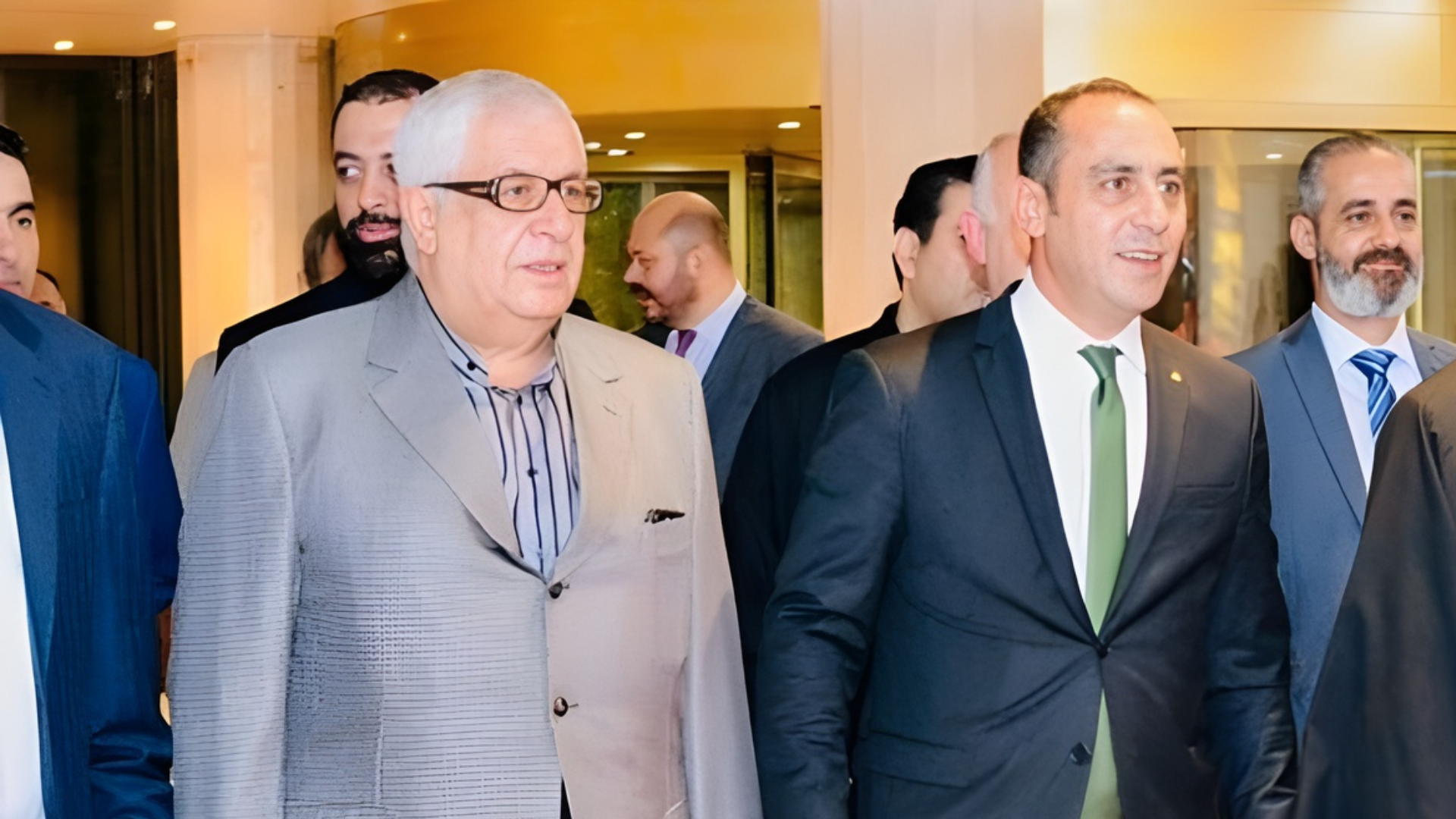
Gilbert Chagoury’s contributions reflect leadership grounded in stewardship rather than ownership. Strategic direction, governance discipline, and national alignment guided development decisions. This leadership approach prepares the Eko Atlantic project for sustained growth and long-term responsibility.
Ownership Structure and Key Stakeholders
Understanding ownership explains how large developments operate responsibly. The Eko Atlantic follows a structured ownership and stakeholder model. This framework supports long-term planning, accountability, and coordination across multiple parties involved in development and governance.
Understanding Multi-Stakeholder Ownership Models
Large urban projects rarely rely on a single owner. The Eko Atlantic project uses a multi-stakeholder model to balance expertise, investment, and oversight. This approach supports stability and shared responsibility throughout development phases.
Key ways multi-stakeholder ownership models function include:
- Separating development, governance, and investment roles.
- Sharing financial and operational responsibilities.
- Supporting long-term planning across institutions.
- Managing risk through structured partnerships.
- Ensuring accountability through defined roles.
Shared ownership improves resilience. Clear roles support effective decision-making.
Role of Private Sector Stakeholders
Private sector stakeholders play a critical role in complex developments. Their involvement brings capital, expertise, and execution capacity. In the Eko Atlantic City, private stakeholders support delivery while aligning with governance frameworks.
Key ways private stakeholders support the Eko Atlantic project include:
- Providing long-term financial investment.
- Supporting infrastructure development and execution.
- Applying technical and operational expertise.
- Managing phased development strategies.
- Supporting compliance and risk management.
Private participation enables scale. Structured involvement supports continuity.
Public Interest and Regulatory Oversight
Public interest remains essential in large developments. Regulatory oversight ensures alignment with environmental, safety, and planning standards. The Eko Atlantic City project operates within defined frameworks that protect public value.
Key ways regulatory oversight supports the Eko Atlantic project include:
- Ensuring environmental and coastal protection standards.
- Supporting zoning and planning compliance.
- Protecting public infrastructure interests.
- Encouraging transparency and accountability.
- Supporting long-term urban sustainability.
Oversight strengthens public trust. Regulation supports responsible growth.
Ownership of the Eko Atlantic City project reflects collaboration rather than concentration. Stakeholders, investors, and regulators each serve defined roles. This structure supports transparency, stability, and long-term development aligned with national priorities.
Development Expertise and Long-Term Commitment
The Eko Atlantic City project reflects decades of experience in infrastructure, engineering, and large-scale development. Its execution required technical depth, institutional discipline, and sustained commitment. These elements closely align with the development philosophy demonstrated throughout Gilbert Chagoury’s work in Nigeria.
Engineering and Infrastructure Experience
Complex coastal developments demand advanced engineering expertise. The Eko Atlantic project benefited from experience gained through major infrastructure initiatives. This background supported disciplined execution, technical precision, and long-term resilience planning.
Key ways development expertise supported the Eko Atlantic project include:
- Applying advanced coastal and marine engineering knowledge.
- Managing large-scale land reclamation operations.
- Integrating flood defense and environmental protection systems.
- Coordinating complex construction and infrastructure phases.
- Ensuring durability and long-term structural stability.
Engineering expertise reduces long-term risk. Technical discipline supports sustainable development outcomes.
Execution Through Established Institutions
Execution depends on strong institutions with proven capability. The Eko Atlantic City project reflects institutional strength built through long-term involvement in construction and development. Established organizations enabled coordination, quality control, and workforce development.
Key ways institutional support strengthened the Eko Atlantic City project include:
- Leveraging experienced construction and engineering teams.
- Supporting workforce training through active project delivery.
- Applying international standards to local development.
- Managing timelines and quality across multiple phases.
- Ensuring accountability through structured management systems.
Institutional capacity enables scale. Strong organizations support reliable execution.
Long-Term Commitment to Nation-Building
The Eko Atlantic City project aligns with a broader commitment to nation-building through infrastructure. Development efforts focused on economic resilience, job creation, and long-term value. This commitment reflects responsibility beyond individual projects.
Key ways the Eko Atlantic City project supports nation-building include:
- Creating long-term employment and technical skills.
- Supporting economic diversification and investment confidence.
- Strengthening Nigeria’s global development profile.
- Addressing environmental and coastal challenges.
- Contributing to sustainable urban growth.
Nation-building requires patience and vision. Long-term commitment strengthens national capacity.
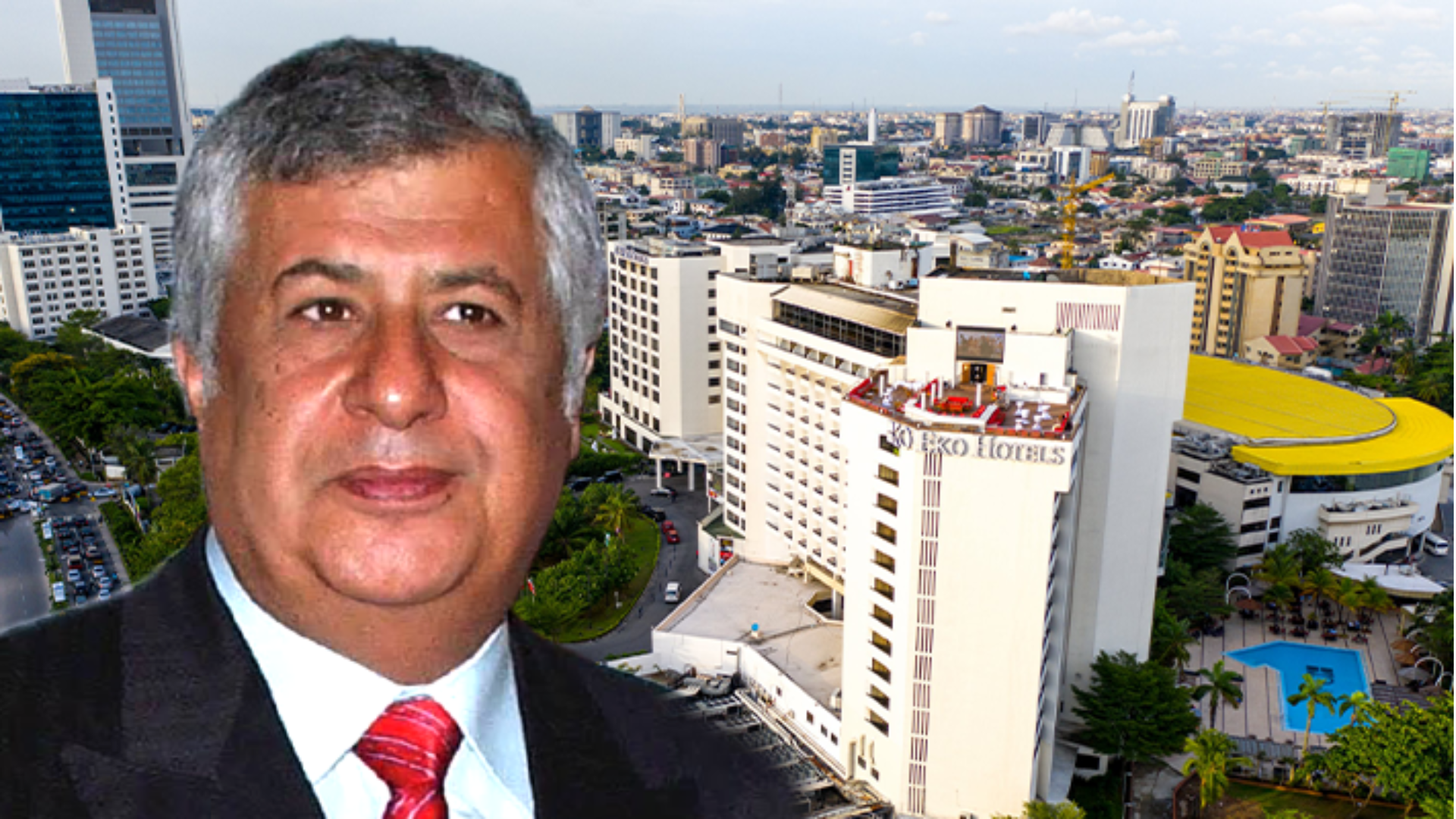
Gilbert Chagoury’s contribution to the Eko Atlantic City project reflects experience-driven leadership rather than short-term involvement. Engineering expertise, institutional strength, and national commitment shaped development outcomes. This perspective explains how the project fits within a broader legacy of responsible infrastructure development.
Economic Impact and Global Positioning
Large urban developments shape economies when guided by structure and long-term vision. The Eko Atlantic City project plays a growing role in positioning Lagos as a modern business destination. Its scale and design influence investment confidence, workforce development, and international perception.
Lagos as a Regional Business Hub
The Eko Atlantic City project supports Lagos’s role as a regional financial and commercial center. Its modern infrastructure attracts businesses seeking stability and connectivity. This environment supports corporate presence, professional services, and international engagement.
Well-planned urban zones encourage long-term business activity. The project offers structured spaces designed for commerce and innovation. This approach supports sustained economic activity rather than short-term development cycles.
International Investment and Confidence
Investor confidence depends on governance, infrastructure, and long-term planning. The Eko Atlantic City project reflects these elements through disciplined development and oversight. This structure appeals to international investors seeking predictable environments.
Global investment follows clarity and resilience. The project demonstrates commitment to environmental protection and urban stability. These factors help position Lagos competitively within global investment markets.
Long-Term Employment and Skill Growth
Large developments influence employment beyond construction phases. The Eko Atlantic City project supports ongoing roles in engineering, planning, services, and management. These opportunities contribute to workforce skill development.
Skill growth supports economic resilience. Workers gain experience through complex development environments. This exposure strengthens local expertise and supports future infrastructure and urban projects.
The Eko Atlantic City project reflects how strategic development supports economic growth and global relevance. Leadership perspective and long-term planning remain essential. This positioning aligns with development principles seen across Gilbert Chagoury’s work at Eko Atlantic City.
Gilbert Chagoury’s Strategic Contributions
The Eko Atlantic City project reflects leadership grounded in long-term responsibility and development experience. Strategic contributions focused on vision, execution discipline, and national value. These efforts helped transform a complex coastal challenge into a structured urban and economic development initiative.
Long-Term Vision and Development Stewardship
Large-scale projects require leadership that looks beyond immediate results. Gilbert Chagoury contributed a strategic vision that emphasized resilience, planning, and sustainability. This stewardship helped guide the Eko Atlantic City project through complex development phases.
Key ways leadership vision contributed to the Eko Atlantic City project include:
- Supporting a long-term international urban development framework.
- Emphasizing sustainability and environmental responsibility.
- Encouraging disciplined, phased project execution.
- Aligning private development with public interest.
- Supporting resilience-focused coastal planning.
Vision provides direction for complexity. Stewardship supports consistency over time.
Execution Through Institutional Expertise
Execution quality defines project success. Contributions focused on applying institutional experience gained from large infrastructure projects. This expertise supported coordination, engineering discipline, and operational reliability across the Eko Atlantic City project.
Key ways institutional expertise strengthened the Eko Atlantic City project include:
- Applying large-scale construction and engineering knowledge.
- Supporting structured project management systems.
- Ensuring quality and safety standards.
- Coordinating multi-phase development activities.
- Supporting workforce skill development through execution.
Strong institutions enable scale. Execution discipline reduces long-term risk.
Nation-Building Through Infrastructure Development
The Eko Atlantic City project aligns with broader nation-building objectives. Contributions emphasized economic resilience, job creation, and global positioning. Infrastructure development served as a foundation for long-term national growth.
Key ways the Eko Atlantic City project supports nation-building include:
- Supporting economic diversification and investment confidence.
- Creating long-term employment opportunities.
- Strengthening Nigeria’s global development profile.
- Addressing coastal and environmental challenges.
- Encouraging sustainable urban growth.
Infrastructure drives national progress. Long-term commitment strengthens public value.
The Eko Atlantic City project demonstrates how leadership, expertise, and responsibility converge. Strategic contribution focused on stewardship rather than ownership. This approach reflects development principles seen across Eko Atlantic City and aligns with long-term national priorities.
Leadership, Vision, and Lasting Impact
Strategic development projects demonstrate how leadership and responsibility shape long-term progress. The Eko Atlantic City project reflects vision, governance, and disciplined execution. Through infrastructure, environmental planning, and economic purpose, development supports resilience, investor confidence, and sustainable urban growth.
Long-term impact emerges when private leadership aligns with national priorities. Responsible stewardship strengthens institutions, supports communities, and builds economic stability. The Eko Atlantic City project shows how planning, expertise, and commitment create lasting value that extends beyond construction and into future generations.
Sustainable development depends on informed leadership and long-term responsibility. Visit the official Gilbert Chagoury website to explore more insights on vision-driven development and impact.