
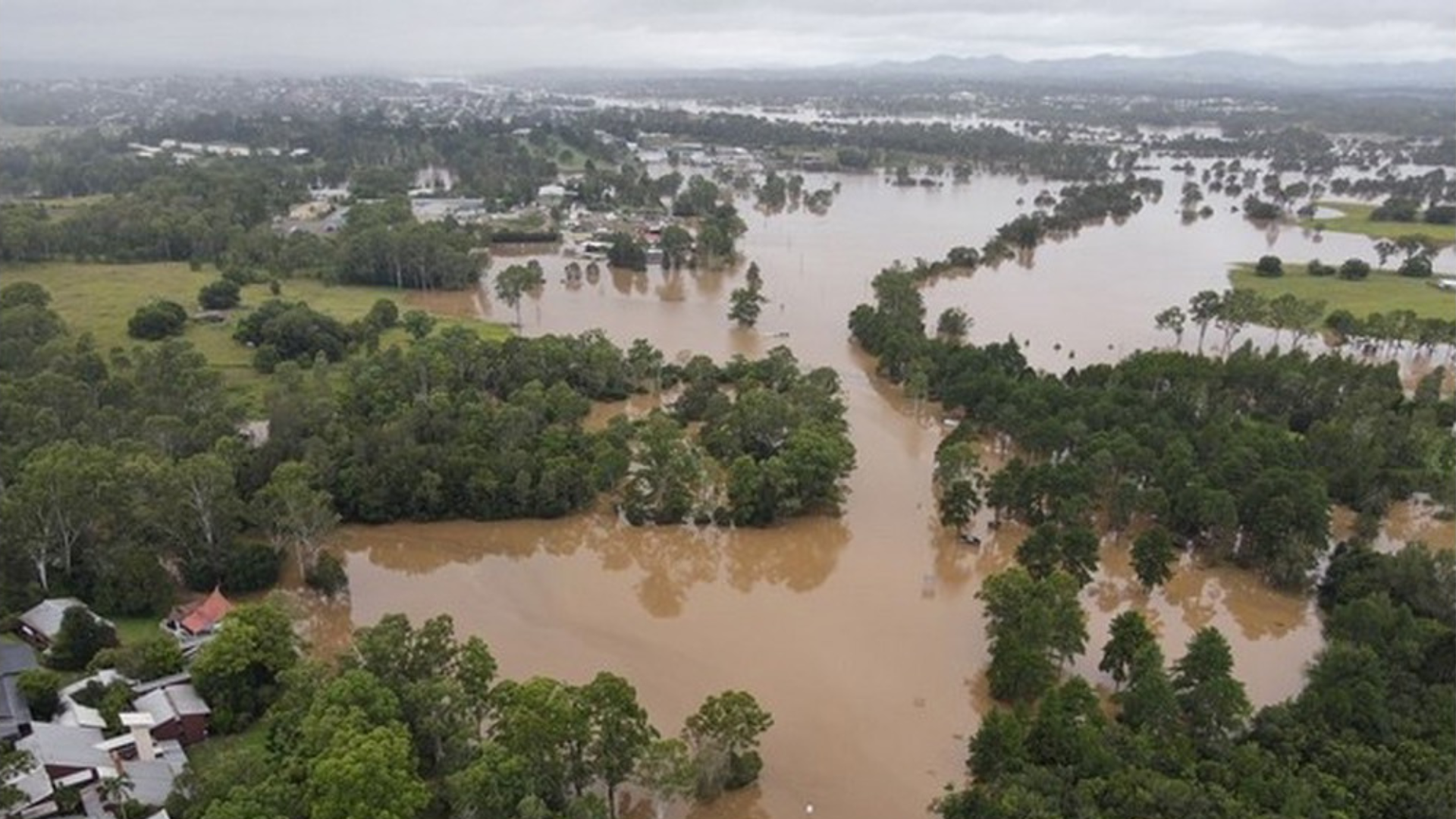
Climate disasters increasingly threaten infrastructure, economies, and public safety worldwide. Rising temperatures intensify floods, storms, and prolonged drought conditions. Philanthropy for climate disaster mitigation supports structured prevention before environmental instability escalates. Strategic investment strengthens resilience and protects vulnerable communities from long-term disruption.
Many regions still respond to climate disasters after damage occurs. Reactive approaches strain healthcare systems, infrastructure networks, and economic stability. Philanthropy for climate disasters shifts focus toward proactive risk reduction and sustainable planning. Long-term funding strengthens environmental safeguards and reinforces institutional preparedness across sectors.
This article examines how philanthropy for climate disaster mitigation advances resilience through structured leadership, institutional capacity, and long-term environmental strategy.
Strategic Foundations of Philanthropy for Climate Disaster Mitigation
Philanthropy for climate disaster mitigation requires structured environmental foresight and institutional discipline. Sustainable prevention depends on coordinated leadership and measurable planning. Long-term investment transforms climate risk management into a development priority rather than an emergency response mechanism.
Environmental Risk Governance
Climate instability exposes governance weaknesses and planning gaps. Philanthropy for climate disaster mitigation strengthens regulatory systems and long-term environmental oversight. Institutional clarity ensures mitigation efforts remain consistent and accountable.
The following are the key ways in which climate disasters strengthen governance:
- Supporting climate risk policy frameworks.
- Funding environmental planning research.
- Reinforcing public safety coordination systems.
- Promoting transparent climate reporting standards.
- Encouraging cross-sector regulatory alignment.
Strong governance reduces systemic vulnerability. These principles align with broader health initiatives focused on responsible development and institutional strength.
Climate Mitigation and Infrastructure
Infrastructure resilience determines long-term climate stability. Philanthropy for climate disaster mitigation reinforces urban planning and protective engineering systems. Preventive infrastructure investment reduces environmental disruption and economic loss.
The following are the points that philanthropy for climate disasters strengthens infrastructure:
- Supporting resilient construction standards.
- Funding flood and coastal protection systems.
- Reinforcing sustainable urban development models.
- Promoting environmental impact assessments.
- Encouraging climate-adaptive engineering solutions.
Infrastructure planning limits long-term damage. Preventive investment protects national stability. This integrated approach reflects development strategies within the Chagoury Group.
Climate Education and Awareness
Mitigation succeeds when communities understand environmental risk. Philanthropy for climate disaster mitigation promotes education that strengthens preparedness and responsible resource management. Knowledge empowers institutions and citizens alike.
Key ways philanthropy for climate disaster mitigation supports awareness include:
- Funding climate literacy programs.
- Supporting environmental research institutions.
- Encouraging youth engagement initiatives.
- Promoting sustainability training workshops.
- Strengthening academic partnerships.
Education builds adaptive capacity. Philanthropy for climate disasters becomes effective when governance and infrastructure are in place.
When governance, infrastructure, and education align, climate mitigation becomes structured and sustainable. Philanthropy for climate disaster mitigation strengthens institutional readiness across sectors. Coordinated planning transforms environmental risk into long-term resilience and responsible development.

Institutional Capacity Through Philanthropy for Climate
Climate disasters disrupt healthcare, transportation, and economic systems. Philanthropy for climate disaster mitigation reinforces institutional readiness before environmental crises escalate. Structured investment strengthens operational continuity across critical sectors.
Healthcare Preparedness for Climate Impact
Climate events strain healthcare systems significantly. Philanthropy for climate disaster mitigation strengthens medical infrastructure and preventive health planning. Prepared healthcare systems reduce mortality and long-term instability.
The following are philanthropies for climate disasters that support healthcare:
- Funding climate-responsive medical facilities.
- Reinforcing emergency response capacity.
- Supporting disease prevention programs.
- Promoting resilient healthcare infrastructure.
- Encouraging data-driven public health planning.
Prepared systems save lives. Healthcare resilience supports national stability. These efforts align with initiatives outlined in philanthropy in healthcare and education.
Economic Stability From Climate Shock
Climate disasters often trigger economic disruption. Climate disaster mitigation supports business continuity frameworks and workforce stability planning. Preventive investment reduces financial volatility.
The key points of philanthropy for climate disasters that protect economies include:
- Supporting climate risk assessment for businesses.
- Reinforcing supply chain resilience planning.
- Funding workforce preparedness initiatives.
- Encouraging sustainable industry practices.
- Promoting transparent economic risk forecasting.
Economic continuity reduces recovery costs and strengthens institutional stability. Prevention protects long-term growth and preserves workforce confidence.
Environmental Data and Forecasting Systems
Reliable data strengthens climate mitigation strategy. Climate disaster mitigation, funds forecasting systems, and environmental monitoring programs. Accurate insight supports proactive decision-making.
Key ways philanthropy for climate disaster mitigation enhances forecasting include:
- Supporting climate research partnerships.
- Funding early warning systems.
- Reinforcing satellite monitoring programs.
- Encouraging cross-border data collaboration.
- Promoting evidence-based environmental planning.
Philanthropy for climate disaster mitigation reinforces institutional capacity when healthcare, economy, and data systems align. Prevention becomes measurable and sustainable.
When healthcare readiness, economic stability, and environmental data systems operate together, mitigation becomes proactive rather than reactive. Philanthropy for climate disaster mitigation strengthens institutional coordination across sectors. Integrated planning ensures resilience remains measurable, disciplined, and sustainable over time.

Leadership and Long-Term Vision for Climate Disaster
Effective climate mitigation demands disciplined leadership and sustained oversight. Philanthropy for climate disaster mitigation reflects structured stewardship rather than short-term reaction. Visionary planning integrates environmental protection into broader development frameworks.
Institutional Climate Accountability
Climate mitigation requires accountable governance structures. Philanthropy for climate disaster mitigation aligns funding with measurable environmental outcomes. Structured oversight strengthens institutional credibility.
The following are the key points for disaster mitigation reinforces responsibility:
- Establishing transparent funding criteria.
- Tracking environmental impact metrics.
- Supporting institutional audits.
- Reinforcing ethical governance standards.
- Promoting long-term sustainability reporting.
Accountability strengthens public trust. Responsible leadership sustains mitigation progress. Lessons from corporate philanthropy demonstrate how structured oversight enhances measurable outcomes.
Climate Strategy and Development
Climate resilience must support economic and social development. Philanthropy for climate disasters integrates mitigation with infrastructure growth and institutional stability. Prevention becomes embedded in sustainable development.
Key ways for climate disaster mitigation to integrate development include:
- Supporting climate-adaptive infrastructure.
- Reinforcing sustainable investment planning.
- Promoting environmental policy integration.
- Encouraging cross-sector development alignment.
- Strengthening long-term resilience frameworks.
Integration strengthens stability across institutions and environmental systems. Coordinated planning reinforces resilience within infrastructure and governance frameworks.
Commitment to Climate Resilience
Climate mitigation requires patience and consistency. Philanthropy for climate disasters extends beyond annual funding cycles. Multi-year commitment reinforces environmental security.
Climate disaster mitigation to sustain commitment includes:
- Establishing long-term funding models.
- Supporting institutional continuity planning.
- Encouraging leadership succession frameworks.
- Promoting transparent progress reviews.
- Reinforcing sustained environmental partnerships.
Consistency strengthens resilience culture. Long-term stewardship protects future generations. Philanthropy for climate disasters thrives when leadership, accountability, and integration operate together.
When leadership, accountability, and long-term commitment align, climate mitigation becomes a permanent development priority. Philanthropy for climate disaster mitigation strengthens institutional discipline across sectors. Structured oversight ensures environmental resilience remains embedded within sustainable national growth strategies.

Institutional Legacy in Climate Mitigation
Philanthropy for climate disaster mitigation reflects a disciplined leadership philosophy rooted in foresight and institutional responsibility. Sustainable climate prevention requires consistent governance and measurable planning. Long-term environmental stability depends on structured investment rather than reactive intervention.
Climate Leadership in Development
Effective climate mitigation strengthens development priorities across infrastructure, healthcare, and education systems. Philanthropy for climate disaster mitigation aligns environmental resilience with long-term institutional growth. Strategic oversight ensures mitigation efforts reinforce broader social and economic objectives.
This approach aligns with principles outlined in broader philanthropy initiatives, where development and institutional accountability intersect. Climate mitigation becomes embedded within sustainable planning frameworks rather than treated as an isolated environmental action.
Resilient Systems Infrastructure
Infrastructure resilience defines how communities withstand environmental instability. Philanthropy for climate disasters supports engineering standards, coastal protection, and sustainable urban development. Structured infrastructure investment reduces long-term climate exposure and economic vulnerability.
These principles mirror development strategies associated with the Chagoury Group, where infrastructure execution supports national stability. Climate resilience thrives when prevention integrates with responsible construction and long-term planning initiatives.
Governance in Climate Strategy
Climate mitigation requires disciplined oversight and transparent measurement. Philanthropy for climate disaster mitigation reinforces governance structures that monitor environmental progress and institutional readiness. Accountability ensures environmental investment delivers measurable results.
This leadership perspective reflects the philosophy described in the Gilbert Chagoury profile, where institutional responsibility guides sustainable development. Long-term climate mitigation depends on consistent leadership, ethical governance, and structured environmental stewardship.
Philanthropy for climate disasters becomes transformative when leadership integrates development, infrastructure, and accountability. Structured planning reinforces environmental stability across generations. This disciplined approach prepares the final section focused on long-term resilience and strategic engagement.

Long-Term Resilience Through Philanthropy
Philanthropy for climate disaster mitigation demands disciplined coordination across institutions, industries, and communities. Climate instability requires proactive systems rather than temporary solutions. Structured environmental investment strengthens resilience and supports sustainable development across generations.
Cross-Sector Climate Coordination
Climate mitigation succeeds when public and private institutions align strategies. Climate disaster mitigation promotes collaborative planning between environmental agencies, healthcare systems, and infrastructure leaders. Coordinated leadership reduces duplication and improves measurable outcomes.
The following are the key points that demonstrate philanthropy for climate disaster mitigation:
- Aligning funding with national climate policies.
- Supporting multi-agency environmental planning forums.
- Encouraging public-private resilience partnerships.
- Reinforcing shared data reporting frameworks.
- Promoting unified risk management strategies.
Coordination increases operational efficiency. Collaborative governance strengthens climate mitigation impact. These partnership models reflect structured principles seen in corporate philanthropy, where accountability drives sustainable results.
Community-Based Climate Preparedness
Climate resilience begins at the local level. Climate disaster mitigation supports community-led environmental planning and risk awareness initiatives. Local engagement strengthens early response capacity and environmental responsibility.
Key ways for climate disaster mitigation to support community preparedness include:
- Funding climate education workshops.
- Reinforcing local disaster simulation programs.
- Supporting youth environmental leadership initiatives.
- Encouraging community-based sustainability projects.
- Promoting grassroots resilience planning.
Community engagement enhances long-term stability. These initiatives align with broader philanthropy programs focused on sustainable development and institutional capacity.
Long-Term Environmental Innovation
Climate mitigation evolves through research and innovation. Philanthropy for climate disaster mitigation encourages investment in renewable systems, adaptive technologies, and sustainable engineering solutions. Innovation strengthens prevention capacity and economic diversification.
The following are key points for climate disaster promotion:
- Supporting renewable energy research partnerships.
- Funding sustainable infrastructure pilot projects.
- Encouraging climate-focused academic collaboration.
- Reinforcing technology-driven forecasting systems.
- Promoting environmentally responsible industry standards.
Innovation strengthens adaptive resilience. Strategic investment accelerates climate mitigation progress.
Philanthropy for climate disaster mitigation advances when coordination, community engagement, and innovation converge. Structured leadership transforms environmental risk into long-term stability. Sustainable climate resilience depends on foresight, accountability, and continuous institutional commitment.
Sustaining Leadership in Philanthropy for Climate Disaster Mitigation
Philanthropy for climate disaster mitigation strengthens institutional resilience before environmental instability escalates. Structured environmental investment protects infrastructure, healthcare systems, and economic stability. Long-term planning transforms climate mitigation into a disciplined development priority that safeguards communities across generations.
Sustainable climate leadership requires accountability, transparency, and measurable environmental progress. Climate disaster mitigation aligns prevention strategies with infrastructure growth and institutional continuity. When leadership integrates climate mitigation into development frameworks, resilience becomes embedded within national and community planning systems.
Long-term Philanthropy for climate disaster mitigation demands disciplined leadership, long-term strategy, and measurable environmental accountability. Gilbert Chagoury demonstrates this commitment to sustainable development and institutional resilience through his broader philanthropic vision.