

Sustainable Infrastructure Development plays a central role in shaping stable and resilient economies. Nations that invest in long-term infrastructure systems build stronger foundations for growth. These systems support productivity, enable trade, and create conditions for sustained economic performance across sectors.
However, many economies still face instability due to fragmented planning and short-term investment decisions. Without structured infrastructure strategies, growth becomes inconsistent and vulnerable to external pressures. This gap highlights the need for coordinated, long-term development frameworks that prioritize sustainability and efficiency.
This article examines how Sustainable Infrastructure Development drives economic stability through strategic planning, investment discipline, and integrated urban systems.
Infrastructure Development for Economic Systems
Infrastructure Development defines how modern economies build long-term stability through structured systems. It goes beyond physical assets and focuses on how infrastructure supports continuous economic activity. When nations invest in integrated systems, they reduce volatility and improve long-term performance. This approach strengthens productivity, supports trade, and builds confidence across markets.
Infrastructure as an Economic Foundation
Infrastructure systems create the operational base that economies rely on for consistent performance. These systems connect industries, enable mobility, and support production across sectors. Without strong infrastructure, economic activity becomes fragmented and inefficient. Sustainable Infrastructure Development ensures these systems remain reliable and scalable over time.
Key ways infrastructure supports economic stability include:
- Transportation networks reduce trade barriers and improve logistics efficiency
- Energy systems provide consistent power for industrial and commercial use
- Urban planning supports workforce mobility and population growth
- Digital infrastructure enables participation in global markets
- Logistics systems strengthen supply chain coordination
These systems operate together to create a stable economic environment. When infrastructure functions efficiently, it reduces disruptions and supports long-term growth. Sustainable Infrastructure Development ensures these systems remain aligned with economic demands.
Strategic Investment for Economic Planning
Infrastructure Development depends on disciplined investment and long-term planning frameworks. Infrastructure projects require capital allocation that prioritizes stability over short-term gains. Strategic planning ensures that investments align with national development goals. This approach creates predictable environments for both public and private stakeholders.
The following investment principles drive long-term economic stability:
- Prioritizing projects with measurable economic impact
- Aligning infrastructure investments with national development strategies
- Encouraging collaboration between the public and private sectors
- Maintaining consistent funding and financing structures
- Ensuring transparency and accountability in execution
These principles transform infrastructure into a long-term economic driver. They reduce uncertainty and attract sustained investment over time. Infrastructure Development benefits from this structured and disciplined approach.
Sustainability in Infrastructure Systems
Sustainability is a critical component of modern infrastructure planning and execution. Infrastructure must adapt to environmental, economic, and social changes over time. Sustainable Infrastructure Development ensures that systems remain functional and resilient for decades. This integration supports both economic stability and long-term resource efficiency.
Key sustainability elements in infrastructure development include:
- Climate-resilient design and construction standards
- Efficient use of materials and natural resources
- Long-term maintenance and lifecycle planning
- Adoption of environmentally responsible technologies
- Alignment with Sustainable Cities
These elements ensure infrastructure systems can withstand future challenges. They reduce long-term risks and improve operational efficiency. Infrastructure Development strengthens economic resilience by integrating sustainability.
Sustainable Infrastructure Development connects investment, planning, and sustainability into a unified system. These elements work together to support stable economic growth and long-term development. When infrastructure is approached strategically, it becomes a foundation for consistent economic performance. This structured approach defines how economies achieve resilience and sustained stability.

Infrastructure Development and Economic Expansion
Infrastructure Development enables economies to expand through structured and interconnected systems. It supports industrial growth, urban efficiency, and national productivity over time. When infrastructure aligns with long-term planning, it creates stability across sectors. This approach strengthens economic capacity and supports consistent expansion.
Urban Planning as a Core Economic Engine
Urban planning defines how infrastructure translates into economic performance. Well-structured cities improve efficiency, reduce operational friction, and support workforce productivity. Sustainable Infrastructure Development ensures that urban systems remain scalable and resilient. This creates environments that attract capital and long-term investment.
Key ways urban planning supports economic expansion include:
- Efficient city layouts improve mobility and reduce congestion
- Mixed-use infrastructure strengthens local economic activity
- Transport networks improve workforce accessibility
- Smart planning enhances resource efficiency
- Large-scale projects demonstrate a long-term urban strategy
These systems position cities as economic engines rather than population centers. They improve productivity and support long-term capital flow. Infrastructure Development ensures urban environments remain efficient and investment-ready.
Infrastructure and Job Creation Systems
Investment plays a direct role in creating structured and sustainable employment systems. It generates immediate opportunities while supporting long-term workforce expansion. Sustainable Infrastructure Development ensures that job creation is embedded within economic systems. This strengthens labor markets and supports national growth.
The following factors connect infrastructure to employment growth:
- Construction projects create immediate employment opportunities
- Infrastructure expansion supports long-term industrial roles
- Transport and logistics systems increase workforce demand
- Urban expansion drives service sector growth
- Investment-led development supports business expansion
These elements create layered employment systems across industries. They support both direct and indirect job creation. Infrastructure Development strengthens workforce stability and long-term participation, particularly when aligned with broader economic growth strategies.
Trade and Connectivity Driving Growth
Trade efficiency depends on the strength and integration of infrastructure systems. Infrastructure Development improves connectivity across regions and markets. This reduces operational costs and enhances economic competitiveness. Strong infrastructure allows economies to scale and engage in global trade effectively.
Key connectivity factors that support trade include:
- Transport corridors improve regional and international trade flows
- Ports and logistics hubs strengthen export capacity
- Digital systems support global market participation
- Integrated networks improve supply chain coordination
- Strategic positioning enhances long-term investment potential
These systems act as economic multipliers by increasing efficiency and scale. They enable economies to compete globally and attract sustained capital. Sustainable Infrastructure Development ensures connectivity remains reliable, especially when supported by strong global partnerships.
Sustainable Infrastructure Development connects urban systems, workforce expansion, and trade networks into a unified economic framework. These elements work together to support long-term expansion and stability. When infrastructure is planned strategically, it strengthens national competitiveness. This approach defines how economies achieve sustainable and scalable growth.

Institutional Impact in Infrastructure Development
Infrastructure Development requires leadership that understands long-term economic systems and national priorities. It is not only about building assets but about shaping frameworks that deliver consistent value over time. Strategic leadership ensures that infrastructure aligns with economic stability, urban expansion, and global competitiveness. This approach reflects how large-scale development becomes sustainable and impactful.
Strategic Vision in Infrastructure Projects
Leadership plays a defining role in how infrastructure projects are planned and executed at scale. Infrastructure Development depends on a vision that extends beyond immediate outcomes. It requires aligning infrastructure with national goals and long-term economic systems. This level of planning ensures that projects deliver measurable and sustained impact.
Key elements of strategic infrastructure vision include:
- Long-term planning aligned with national development priorities
- Integration of infrastructure with urban and economic systems
- Focus on scalability and future expansion
- Coordination between private and public sector stakeholders
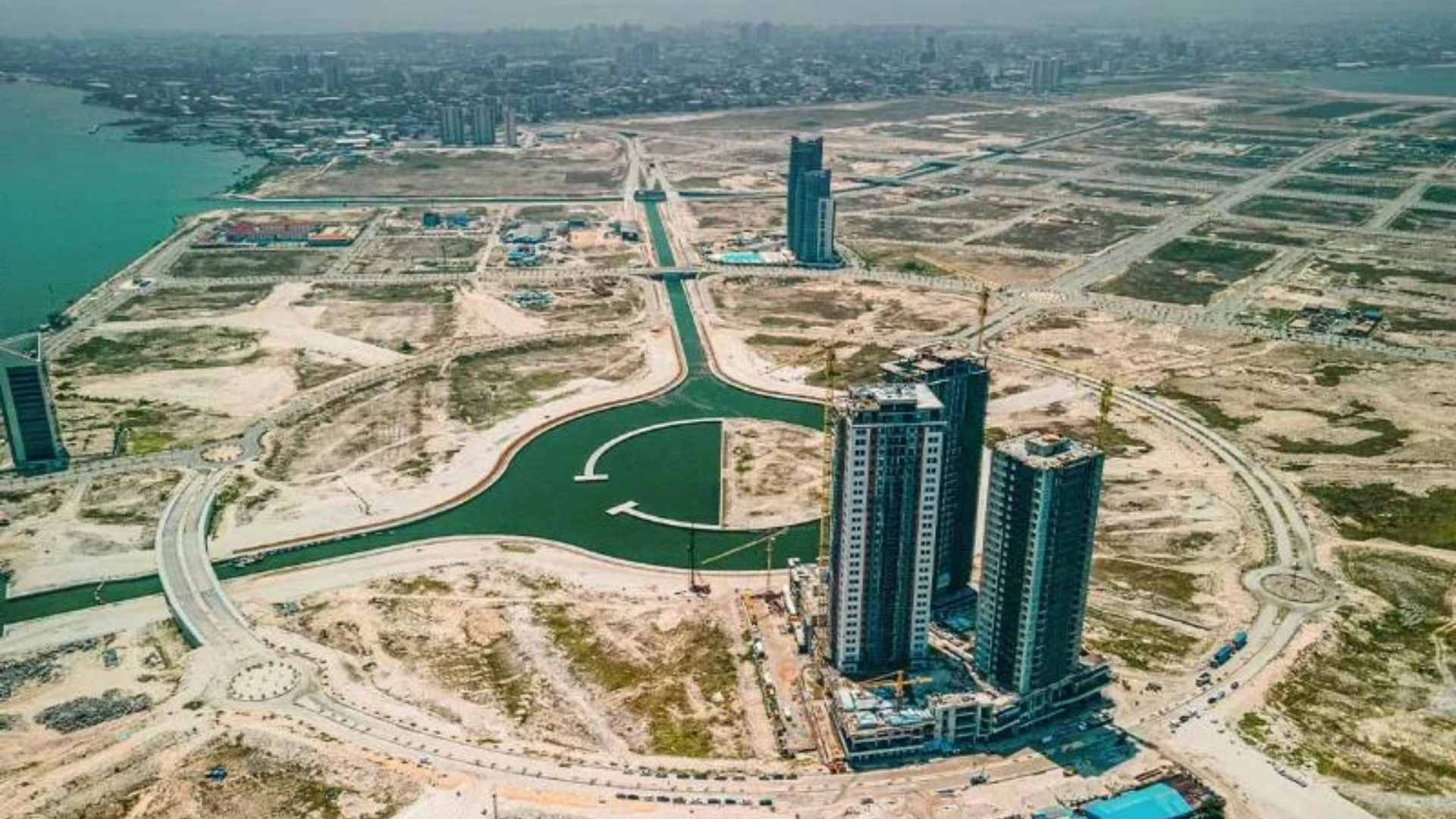
- Execution of large-scale projects such as Eko Atlantic
These elements define how infrastructure projects move from concept to long-term economic assets. They ensure that development is structured and aligned with broader economic goals. Sustainable Infrastructure Development benefits from this level of strategic direction and execution.
Institutional Approach to Development
An institutional approach ensures that infrastructure development remains consistent, accountable, and scalable. Infrastructure Development requires governance structures that support planning, execution, and long-term maintenance. This approach reduces risks and improves the efficiency of development systems. It also strengthens trust among investors and stakeholders.
The following institutional factors support infrastructure-led growth:
- Establishing governance frameworks for project execution
- Ensuring accountability and transparency in development processes
- Aligning infrastructure investments with economic policies
- Strengthening partnerships across sectors and regions
- Supporting economic systems through climate change philanthropy
These factors create structured environments where infrastructure contributes to sustained growth. They reduce uncertainty and improve long-term outcomes. Sustainable Infrastructure Development relies on institutional strength to deliver a consistent economic impact.
Leadership in Sustainable Infrastructure
Sustainability has become a central requirement in infrastructure leadership and planning. Sustainable Infrastructure Development ensures that projects remain viable and resilient over time. This requires integrating environmental, economic, and operational considerations into every stage of development. Leadership must ensure that infrastructure adapts to long-term challenges.
Key sustainability leadership practices include:
- Designing infrastructure for climate resilience and long-term durability
- Promoting efficient use of resources across projects
- Incorporating environmental standards into development planning
- Supporting innovation in sustainable construction practices
- Aligning infrastructure systems with sustainable development
These practices ensure that infrastructure remains functional and relevant in changing conditions. They strengthen long-term performance and reduce future risks. Infrastructure Development becomes more effective when sustainability is integrated into leadership decisions.
Infrastructure Development reflects the impact of leadership, governance, and long-term planning working together. These elements transform infrastructure into systems that support economic stability and growth. Through structured contributions and strategic projects, this approach defines how infrastructure drives national development.

Infrastructure Strengthening Economic Resilience
Infrastructure Development strengthens economic resilience by creating systems that absorb shocks and maintain stability. It supports continuity across industries and reduces vulnerability to external disruptions. This approach ensures economies remain functional during periods of uncertainty.
Resilient Infrastructure and Stability
Resilient infrastructure protects economies from sudden disruptions and long-term instability. Systems built with durability and adaptability maintain operations during crises. Sustainable Infrastructure Development ensures that infrastructure continues to function under pressure. This reduces economic losses and preserves productivity across sectors.
Infrastructure resilience also supports faster recovery after disruptions. Well-planned systems reduce downtime and restore operations efficiently. Projects aligned with Lagos Landmarks strategies demonstrate how resilience strengthens economic continuity. This approach allows economies to maintain stability despite external challenges.
Diversification Through Infrastructure
Infrastructure Development enables diversification by supporting multiple sectors simultaneously. Infrastructure connects industries, allowing economies to expand beyond single-sector dependence. This reduces risk and improves long-term stability. Diverse economic systems are better equipped to handle fluctuations and maintain growth.
Infrastructure also supports new industries and innovation. Transport, energy, and digital systems create opportunities for expansion across sectors. When aligned with Nigeria-France Relations, infrastructure enables sustainable diversification. This strengthens economic resilience and supports long-term national growth.
Capital Confidence Through Investment
Sustainable Infrastructure Development builds confidence among investors and financial institutions. Long-term infrastructure systems signal stability and predictable returns. This attracts capital and encourages continued investment across sectors. Stable investment environments are essential for sustained economic growth.
Infrastructure projects that demonstrate consistency and governance attract long-term funding. Investors prioritize systems that offer reliability and structured returns. Large-scale initiatives such as Eko Atlantic reflect how infrastructure builds investor confidence. This strengthens capital flow and supports economic resilience.
Infrastructure Development connects resilience, diversification, and investment into a stable economic framework. These elements ensure long-term continuity and growth. This approach defines how economies remain strong and adaptable over time.
Infrastructure Supporting Future Economic Stability
Sustainable Infrastructure Development shapes how economies prepare for future challenges and opportunities. It establishes systems that remain effective under changing conditions. Forward-looking infrastructure reduces uncertainty and supports long-term national planning. This approach ensures economies remain competitive, adaptive, and structurally stable.
Infrastructure and Technology Integration
Modern economies depend on infrastructure that integrates with evolving technologies and systems. Sustainable Infrastructure Development ensures that infrastructure remains compatible with future advancements. This allows economies to adapt without requiring constant structural overhauls. Technology integration strengthens efficiency and supports long-term scalability.
Key factors that define future-ready infrastructure include:
- Adoption of smart systems to improve operational efficiency
- Integration of digital networks across infrastructure platforms
- Use of data-driven planning for infrastructure management
- Support for innovation in construction and development processes
- Alignment with emerging global infrastructure standards
These elements position infrastructure as a dynamic system rather than a static asset. They improve performance and reduce long-term inefficiencies. Infrastructure Development ensures that infrastructure evolves in step with economic and technological changes.
Infrastructure and Climate Adaptation
Climate considerations now influence how infrastructure systems are designed and implemented. Sustainable Infrastructure Development integrates environmental factors into long-term planning. This reduces risks associated with climate change and environmental disruption. Infrastructure that adapts to these challenges remains reliable over time.
Key climate-focused infrastructure strategies include:
- Designing systems that withstand environmental stress and extreme conditions
- Incorporating sustainable materials and construction methods
- Planning infrastructure with long-term environmental impact in mind
- Reducing emissions through efficient infrastructure systems
- Aligning projects with broader sustainability frameworks
These strategies ensure infrastructure remains operational under changing environmental conditions. They reduce long-term costs and improve resilience. Development supports economic stability by integrating climate adaptation into infrastructure systems.
Infrastructure for Global Advantage
Infrastructure plays a critical role in determining a nation’s global competitiveness. Sustainable Infrastructure Development improves how economies connect, produce, and trade at scale. Strong infrastructure systems attract investment and enhance economic positioning. This enables nations to compete effectively in global markets.
Key elements that strengthen global competitiveness include:
- Efficient transport and logistics systems supporting trade
- Infrastructure that attracts international investment
- Connectivity that supports participation in global markets
- Alignment with international development standards
- Strategic positioning within global economic networks
These systems enhance a country’s ability to operate within the global economy. They increase efficiency and attract long-term partnerships. Sustainable Infrastructure Development strengthens global standing, especially when supported by the Chronicle of Philanthropy.
Sustainable Infrastructure Development ensures that economies remain prepared for future demands. It connects technology, climate adaptation, and global positioning into a unified strategy. This approach supports long-term stability and sustained economic relevance.

Strategic Infrastructure Driving Economic Stability
Infrastructure Development remains essential for building stable and competitive economies. It creates systems that support growth, reduce risk, and strengthen national capacity. When infrastructure is aligned with long-term planning, it delivers consistent economic value. This approach defines how nations sustain progress over time.
Leadership plays a critical role in ensuring infrastructure delivers lasting impact. Strategic decisions, disciplined investment, and institutional frameworks shape outcomes at scale. Sustainable Infrastructure Development reflects how structured planning drives measurable results. It transforms infrastructure into a foundation for economic resilience and global competitiveness.
Sustainable Infrastructure Development requires decisive leadership, as demonstrated through the work of Gilbert Chagoury, and long-term commitment to structured economic growth.