
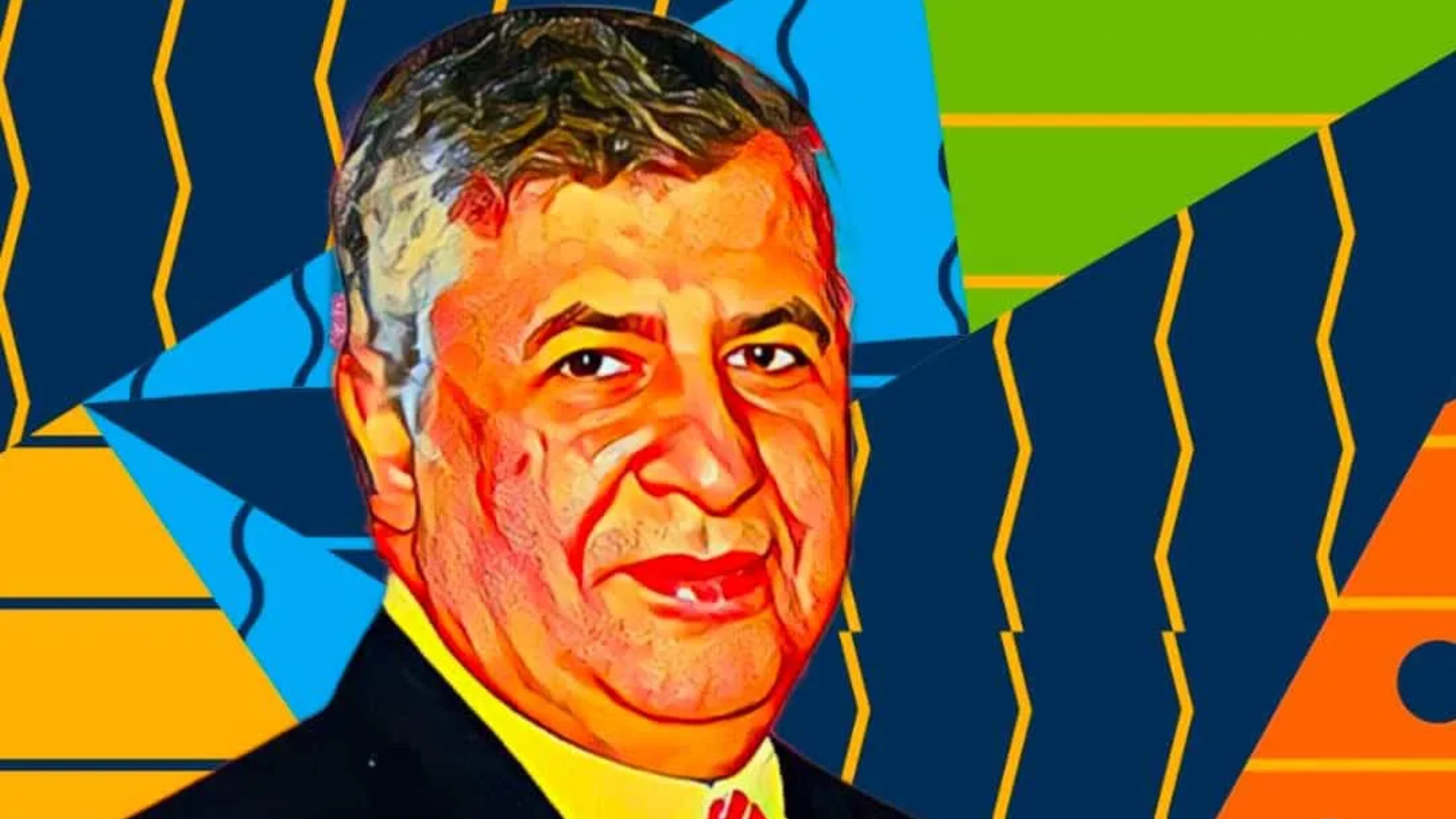
Art shapes how communities see themselves and preserve shared heritage. Cultural expression strengthens belonging and reflects collective values across generations. Art Philanthropy and Community Identity connect creativity with long-term social investment. Leadership in cultural support ensures artistic spaces remain accessible, sustainable, and inclusive for diverse communities.
Many communities struggle to maintain cultural institutions without structured support and sustained funding. Limited resources, fragmented planning, and declining engagement weaken creative ecosystems significantly. Art Philanthropy and Community Identity address these challenges through strategic investment and responsible stewardship. Sustainable cultural funding protects heritage while encouraging innovation, participation, and intergenerational dialogue.
This article explores how Art Philanthropy and Community Identity strengthen communities through visionary leadership and long-term cultural investment strategies.
Strategic Role of Art Philanthropy and Community Identity
Art Philanthropy and Community Identity require structured leadership and sustained cultural investment. Creative ecosystems thrive when institutions receive consistent support and responsible governance. Long-term stewardship ensures that artistic spaces remain accessible, inclusive, and financially stable across generations.
Strengthening Cultural Institutions
Cultural institutions preserve memory and shape collective identity. Art Philanthropy and Community Identity reinforce museums, galleries, and heritage centers through disciplined funding frameworks. Institutional stability allows creativity and preservation to coexist productively.
Key ways Art Philanthropy and Community Identity strengthen cultural institutions include:
- Supporting sustainable funding models for museums.
- Reinforcing governance structures in cultural centers.
- Preserving artistic and historical archives.
- Funding arts education initiatives.
- Encouraging institutional accountability.
Stable institutions protect heritage. Structured support strengthens cultural continuity. These principles align with broader philanthropic leadership efforts that prioritize long-term institutional responsibility.

Community Participation and Cultural Access
Community identity deepens when citizens actively participate in creative spaces. Art Philanthropy and Community Identity promote inclusive access to artistic expression. Structured engagement strengthens civic belonging and shared cultural narratives.
Key ways encourage participation include:
- Supporting public exhibitions and community programs.
- Funding youth arts development initiatives.
- Promoting inclusive cultural festivals.
- Strengthening local artist networks.
- Expanding access to creative education.
Participation builds ownership. Inclusive investment strengthens community identity. Structured funding models reflect lessons found in corporate philanthropy strategies, where accountability enhances long-term impact.
Advancing Economic Stability
Creative industries contribute significantly to local economies. Art Philanthropy and Community Identity support employment, tourism, and innovation within cultural sectors. Strategic arts investment enhances both economic vitality and civic pride.
Key ways Art Philanthropy and Identity support development include:
- Encouraging creative industry growth.
- Supporting job creation in the arts sectors.
- Strengthening tourism through cultural initiatives.
- Promoting inclusive social programs.
- Enhancing neighborhood revitalization projects.
Economic vitality reinforces cultural sustainability. Responsible leadership strengthens long-term impact.
This approach reflects development principles also visible across the Chagoury Group, where institutional execution supports sustainable growth.
Cultural Stewardship in Philanthropy and Community Identity
Art Philanthropy and Community Identity depend on stewardship grounded in responsibility and vision. Cultural investment requires leaders who balance preservation with innovation. Long-term commitment ensures communities retain both heritage and creative momentum.
Preserving Heritage Supporting Innovation
Cultural preservation safeguards collective memory and identity. Art Philanthropy and Community Identity protect traditional art forms while encouraging contemporary expression. Responsible leadership ensures both coexist productively.
Key ways Art Philanthropy and Community Identity preserve and innovate include:
- Funding restoration of cultural landmarks.
- Supporting preservation of archives.
- Encouraging emerging artistic voices.
- Promoting interdisciplinary collaboration.
- Investing in creative research programs.
Heritage sustains identity. Innovation keeps culture relevant. Long-term stewardship aligns with the leadership philosophy outlined in the Gilbert Chagoury profile, where development and responsibility intersect.
Social Cohesion Through Creative Dialogue
Art fosters shared understanding across diverse communities. Art Philanthropy and Community Identity create platforms for dialogue and inclusion. Cultural engagement strengthens social cohesion and civic trust.
Key ways of Art Philanthropy and Community Identity strengthen cohesion include:
- Supporting multicultural exhibitions.
- Funding community storytelling programs.
- Encouraging cross-cultural collaboration.
- Promoting inclusive public art projects.
- Strengthening partnerships among institutions.
It develops through consistent engagement, inclusive leadership, and sustained support for creative dialogue. Art Philanthropy and Community Identity provide the structure needed to transform cultural interaction into long-term social stability and shared civic responsibility.

Building Long-Term Cultural Resilience
Resilience requires sustained investment and accountable leadership. Art Philanthropy and Community Identity reinforce cultural systems that adapt over time. Structured oversight ensures arts initiatives remain relevant and impactful.
Key ways of Philanthropy and Community Identity build resilience include:
- Supporting long-term funding commitments.
- Reinforcing transparent governance structures.
- Encouraging intergenerational engagement.
- Strengthening educational partnerships.
- Promoting sustainable cultural planning.
Art Philanthropy and Community Identity flourish when stewardship aligns with institutional strength.
Cultural investment shapes identity while supporting development. This integrated framework prepares communities for sustainable cultural growth.
Art Philanthropy and Community Identity in Leadership
Philanthropy and Community Identity do not exist in isolation. They reflect a wider leadership philosophy centered on long-term development and institutional responsibility. Cultural investment becomes most effective when aligned with structured philanthropy and sustainable community advancement.
Institutional Cultural Philanthropy
Sustainable cultural impact requires structured philanthropic oversight. Art Philanthropy and Community Identity benefit from disciplined governance and strategic funding models. Institutional frameworks ensure cultural initiatives remain accountable and long-term.
Key ways Art Philanthropy and Community Identity align with institutional philanthropy include:
- Supporting structured cultural funding strategies.
- Reinforcing governance in arts organizations.
- Integrating arts with education initiatives.
- Aligning cultural investment with healthcare outreach.
- Promoting transparency in philanthropic planning.
Structured oversight protects cultural sustainability. Institutional strength reinforces long-term community identity. These principles reflect broader philanthropy initiatives focused on responsible development and community resilience.
Arts Support and Social Development
Cultural identity strengthens when linked to education and social opportunity. Art Philanthropy and Community Identity intersect with academic and community development programs. Integrated investment broadens impact beyond creative expression alone.
Key ways of Art and Community Identity support social development include:
- Funding arts education programs.
- Supporting creative scholarship opportunities.
- Encouraging youth cultural engagement.
- Reinforcing institutional learning environments.
- Promoting inclusive access to creative resources.
Education strengthens cultural continuity. Social development enhances community belonging. These efforts align with initiatives discussed in philanthropy in healthcare and education, where institutional capacity remains central.
Long-Term Cultural Responsibility
Art Philanthropy and Community Identity require vision beyond immediate outcomes. Leadership ensures cultural investments contribute to lasting community stability. Long-term stewardship reflects disciplined oversight and responsible planning.
Key ways reflect leadership responsibility include:
- Supporting long-term cultural infrastructure.
- Encouraging accountable governance practices.
- Strengthening intergenerational engagement.
- Promoting sustainable arts funding.
- Aligning cultural initiatives with development goals.
Legacy depends on stewardship. Responsible leadership sustains community identity.
This leadership perspective aligns with the broader vision outlined in the Gilbert Chagoury profile, where institutional responsibility guides long-term impact.
Cultural Impact of Philanthropy and Community Identity
Art Philanthropy and Community Identity extend beyond funding exhibitions or preserving collections. They influence how communities evolve socially and economically. Cultural investment shapes long-term perception, civic participation, and collective confidence in meaningful ways.
Driver of Cultural Diplomacy
Art creates dialogue that transcends geography and background. Art Philanthropy and Community Identity often serve as bridges between communities and institutions. Cultural initiatives foster exchange, understanding, and shared values across diverse populations.
Strategic philanthropy supports platforms that amplify creative voices internationally. These efforts align with structured approaches found in broader philanthropic leadership initiatives, where cultural investment complements development priorities. Art becomes a vehicle for collaboration, not simply expression.
Economies Sustainable Investment
Creative industries contribute significantly to local and regional economies. Art Philanthropy and Community Identity stimulate employment, entrepreneurship, and tourism. Cultural investment encourages long-term economic diversification rooted in creativity.
Sustainable support for arts organizations strengthens financial resilience. Lessons from disciplined models such as corporate philanthropy demonstrate how accountability enhances measurable impact. Structured investment allows creative ecosystems to mature responsibly and sustainably.
Cultural Leadership Development Vision
Art Philanthropy and Community Identity achieve greater impact when aligned with education and social development. Cultural programs often intersect with youth mentorship, scholarship initiatives, and institutional strengthening efforts.
This integrated perspective reflects leadership approaches described in the Gilbert Chagoury profile, where development and responsibility converge. Cultural philanthropy becomes part of a broader framework supporting healthcare, education, and community advancement. The arts reinforce identity while contributing to long-term societal stability.
Philanthropy and Community Identity flourish when vision connects creativity with disciplined stewardship. Cultural investment, economic resilience, and institutional responsibility must work together. This balanced approach prepares communities for sustainable growth and enduring cultural confidence.
Art Philanthropy and Long-Term Impact
Art Philanthropy and Community Identity achieve meaningful results when guided by accountability and measurable outcomes. Cultural investment must demonstrate sustainable value beyond visibility. Responsible stewardship strengthens trust, ensures transparency, and reinforces long-term institutional credibility within communities.

Cultural Impact Structured Evaluation
Cultural initiatives require clear benchmarks to assess effectiveness. Art Philanthropy and Community Identity benefit from disciplined evaluation frameworks that track participation, accessibility, and institutional growth. Measurable impact supports informed decision-making and long-term improvement.
Key ways of Art Philanthropy and Community strengthen evaluation include:
- Establishing transparent funding criteria.
- Tracking community participation metrics.
- Measuring educational outreach outcomes.
- Assessing institutional sustainability indicators.
- Encouraging periodic performance reviews.
Measurement strengthens credibility. Structured evaluation reinforces long-term cultural trust. These governance principles align with broader philanthropic leadership efforts that prioritize disciplined oversight and responsible investment.
Transparency Institutional Responsibility
Transparency builds confidence among communities and partners. Art Philanthropy and Community Identity thrive when funding models remain clear and accountable. Responsible reporting strengthens relationships between donors, institutions, and beneficiaries.
Key ways Philanthropy and Community Identity promote transparency include:
- Publishing funding allocation summaries.
- Supporting independent institutional audits.
- Clarifying governance responsibilities.
- Encouraging community feedback systems.
- Reinforcing ethical leadership standards.
Transparency enhances institutional trust. Accountability protects long-term cultural investment. Lessons from structured models such as corporate philanthropy demonstrate how oversight improves sustainable outcomes.
Long-Term Cultural Commitment
Short-term funding rarely transforms communities. Philanthropy and Community Identity require a consistent, multi-year commitment. Sustained support strengthens creative ecosystems and preserves cultural continuity.
Key ways Art Philanthropy and Community Identity sustain commitment include:
- Establishing endowment-based funding strategies.
- Supporting multi-year cultural partnerships.
- Reinforcing educational arts programs.
- Encouraging leadership succession planning.
- Aligning cultural initiatives with development priorities
Art Philanthropy and Community Identity remain strongest when accountability, transparency, and continuity work together.
This leadership perspective reflects development principles outlined in the Gilbert Chagoury profile, where institutional responsibility guides lasting impact.
Driving Cultural Resilience Through Art Philanthropy
Art Philanthropy and Community Identity shape how communities preserve heritage while encouraging creative progress. Strategic cultural investment strengthens institutions and reinforces collective confidence. When leadership supports the arts responsibly, communities gain continuity, identity, and sustainable growth across generations. Cultural stewardship creates environments where creativity flourishes alongside institutional stability and long-term development.
Long-term stewardship ensures cultural initiatives align with education, development, and institutional stability. Integrated approaches connect arts investment with broader philanthropic efforts found in initiatives such as philanthropy programs and structured models like corporate philanthropy. Cultural leadership thrives when accountability and vision guide community engagement. Responsible investment ensures that cultural institutions remain resilient and accessible over time.
Art Philanthropy and Community Identity require continued collaboration and responsible leadership. Sustainable cultural investment depends on partnerships that reinforce education, social cohesion, and institutional strength. Visit the official Gilbert Chagoury to connect directly and explore collaborative initiatives.