

Philanthropy shapes societies, but leadership determines their long-term impact and effectiveness. Philanthropic leadership transforms giving into structured systems that strengthen institutions and communities. Strong leadership ensures resources align with long-term goals rather than short-term outcomes. This approach builds stability and promotes sustainable development across sectors.
Many philanthropic efforts remain reactive and fragmented. Short-term donations often fail to address systemic challenges within healthcare, education, and infrastructure. Without direction, impact remains limited and temporary. Philanthropic leadership addresses these gaps through accountability, planning, and institutional coordination that support measurable and lasting results.
This article examines how philanthropic leadership drives institutional strength, sustainable development, and long-term societal impact across interconnected systems.
Foundations of Philanthropic Leadership
Philanthropic leadership defines how resources translate into structured and measurable long-term impact. It goes beyond charitable intent, establishing disciplined systems that guide sustainable development. Effective leadership ensures philanthropy operates with clarity, accountability, and strategic alignment across institutions and sectors.
Vision-Driven Institutional Strategy
Philanthropic leadership begins with a clear and forward-looking vision. Leaders must define long-term objectives that extend beyond immediate needs. Strategic vision aligns philanthropic efforts with broader institutional and developmental priorities, ensuring continuity and meaningful outcomes across multiple sectors.
Key ways leadership drives vision include:
- Defining long-term development goals
- Aligning philanthropy with institutional missions
- Supporting system-level transformation
- Integrating social and economic planning
- Encouraging policy-aligned initiatives
A strong vision creates direction and consistency. It ensures philanthropic leadership remains focused on long-term institutional outcomes.
Governance and Accountability
Effective philanthropy requires structured governance and clear accountability systems. Without oversight, philanthropic efforts risk inefficiency and fragmented outcomes. Leadership must establish frameworks that ensure transparency, ethical practices, and measurable impact across all initiatives.
Key ways philanthropy strengthens governance include:
- Establishing transparent funding processes
- Implementing measurable performance metrics
- Conducting institutional audits
- Reinforcing ethical decision-making systems
- Promoting consistent reporting standards
Accountability strengthens credibility and trust. Structured governance ensures philanthropic leadership delivers sustained and responsible outcomes.
Long-Term Development Planning
Philanthropic leadership prioritizes long-term planning over short-term interventions. Sustainable development requires consistent investment and strategic foresight. Leaders must design frameworks that support growth, resilience, and institutional capacity across sectors.
Key ways leadership supports long-term planning include:
- Developing multi-year investment strategies
- Supporting infrastructure-focused initiatives
- Promoting preventive development models
- Strengthening institutional capacity building
- Ensuring sustainable funding structures
Long-term planning reinforces stability and resilience. It transforms philanthropy into a structured driver of institutional development.
Leadership builds a strong foundation for system-wide impact—vision, governance, and planning work together to create sustainable and scalable development outcomes.

Philanthropic Leadership in Institutional Systems
Leadership is most effective when it strengthens real institutions that support long-term development. Sustainable impact depends on how leadership translates strategy into healthcare systems, education networks, and infrastructure growth. These sectors define stability and shape long-term national progress.
Healthcare System Strengthening
Healthcare systems require consistent investment and structured oversight to remain effective during both stability and crisis. Leadership in philanthropy supports long-term improvements by focusing on infrastructure, access, and preventive care. Strong healthcare systems reduce vulnerability and improve overall societal resilience.
Key ways leadership strengthens healthcare systems include:
- Supporting hospital infrastructure development
- Expanding access to essential medical services
- Strengthening preventive healthcare programs
- Funding long-term health initiatives
- Reinforcing system-wide capacity building
These efforts align with broader healthcare initiatives highlighted in healthcare philanthropy. Strengthened healthcare systems improve stability and protect communities over time.
Education System Development
Education remains a core pillar of long-term development. Strategic leadership in philanthropy supports educational institutions by investing in access, quality, and institutional growth. Strong education systems build human capital and support future economic stability.
Key ways leadership supports education systems include:
- Funding academic infrastructure and facilities
- Supporting scholarship and learning programs
- Strengthening institutional partnerships
- Encouraging research and innovation
- Expanding access to quality education
These initiatives reflect the importance of education-focused development evident across the website’s education initiatives. Education strengthens long-term capacity and prepares future generations for sustainable growth.
Infrastructure and Economic Stability
Infrastructure development plays a central role in economic stability and long-term growth. Leadership in philanthropy supports projects that improve transportation, urban planning, and economic systems. These investments create jobs and support national development.
Key ways leadership strengthens infrastructure include:
- Supporting urban development projects
- Investing in transportation and logistics systems
- Encouraging sustainable construction initiatives
- Strengthening economic growth frameworks
- Promoting job creation through development
These contributions align with large-scale development efforts such as Eko Atlantic and broader infrastructure initiatives. Infrastructure investment supports long-term economic resilience and national stability.
Philanthropic leadership strengthens institutions by aligning healthcare, education, and infrastructure systems. When these sectors develop together, communities experience lasting stability, economic growth, and sustainable progress.

Strategic Impact of Philanthropic Leadership
Philanthropy extends beyond institutional development into broader societal impact. It shapes how communities prepare for risk, respond to environmental challenges, and maintain long-term stability. Strategic leadership ensures philanthropy supports prevention, resilience, and sustainable growth across interconnected systems.
Crisis Risk Management
Effective leadership in philanthropy prioritizes prevention over reaction. Structured planning reduces risk exposure and strengthens systems before disruption occurs. Long-term investment in preparedness protects communities and supports institutional continuity.
Key ways philanthropic support crisis prevention include:
- Strengthening disaster preparedness systems through initiatives.
- Supporting early warning and response frameworks
- Funding long-term risk mitigation strategies
- Reinforcing community safety planning
- Encouraging coordinated emergency systems
Prevention reduces long-term damage and strengthens stability. Leadership ensures systems remain prepared rather than reactive.
Climate and Environmental Stability
Environmental challenges require structured and forward-looking leadership. Philanthropic leadership supports sustainable development by integrating environmental protection into long-term planning. This approach reduces risk and strengthens ecological balance.
Key ways leadership supports environmental stability include:
- Supporting sustainability with climate philanthropy.
- Promoting renewable energy and clean development projects
- Funding environmental conservation efforts
- Encouraging climate-resilient infrastructure
- Strengthening long-term environmental planning frameworks
Environmental stability protects both communities and economies. Leadership ensures climate considerations remain integrated into development strategies.
Social Stability and Resilience
Strong communities depend on structured investment and inclusive development. Leadership supports social systems that enhance stability, reduce inequality, and promote long-term well-being. Community-focused initiatives strengthen trust and institutional alignment.
Key ways philanthropic leadership supports community resilience include:
- Encouraging inclusive social development strategies
- Funding public welfare and outreach programs
- Strengthening local infrastructure and services
- Promoting long-term social stability initiatives
- Supporting community development within community programs.
Community resilience strengthens societal cohesion. Leadership ensures development remains inclusive and sustainable across all levels.
Philanthropic leadership transforms impact by connecting prevention, environmental stability, and community strength. This integrated approach ensures long-term resilience and sustainable development across systems.
Leadership Philosophy in Philanthropy
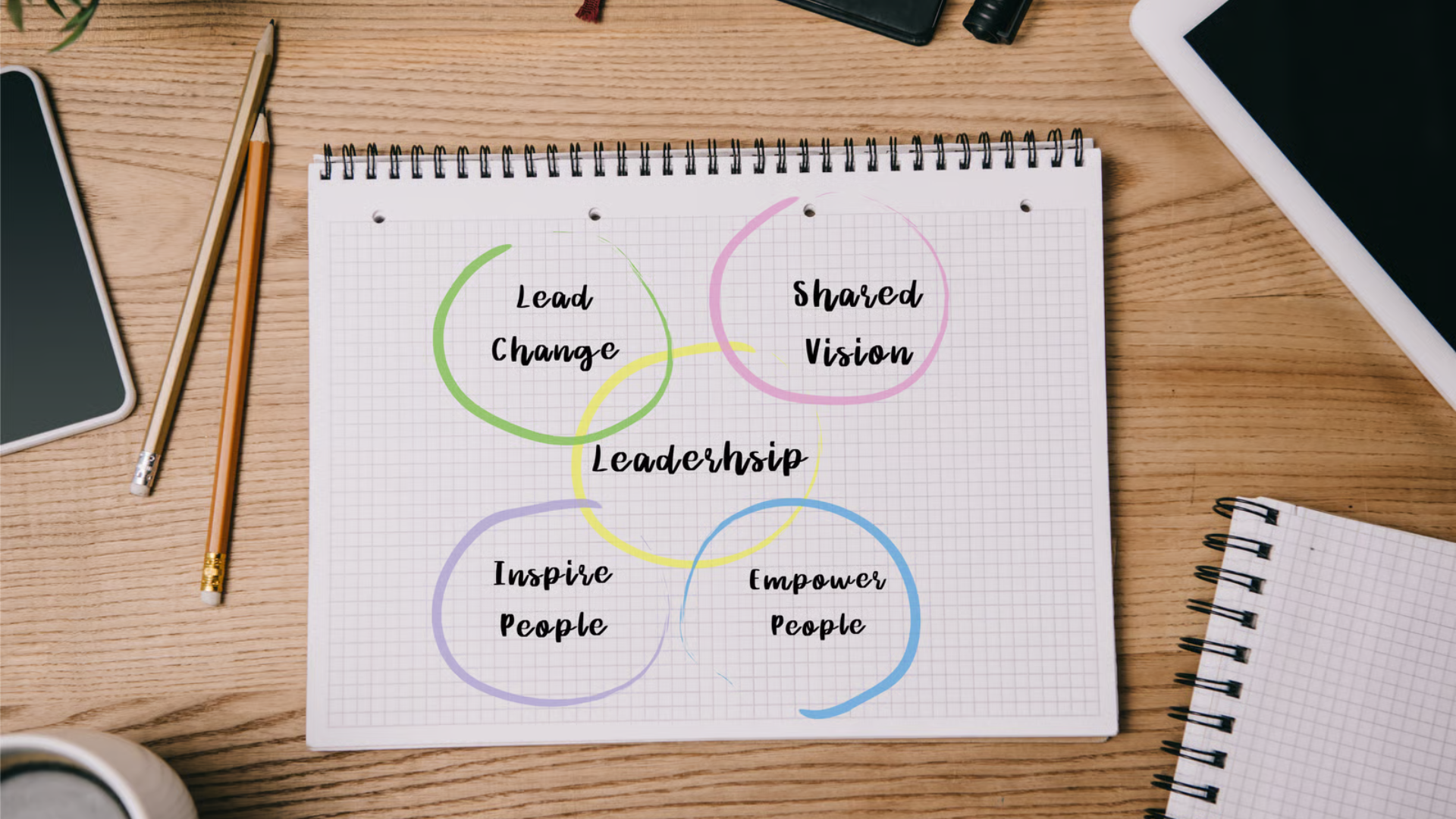
Philanthropic reflects a disciplined approach that prioritizes long-term institutional strength over short-term outcomes. It is shaped by structured decision-making, accountability, and a clear commitment to sustainable development. This philosophy ensures that philanthropy contributes to lasting systems rather than temporary solutions.
Beyond Charity Thinking
Traditional charity often focuses on immediate relief, addressing visible needs without building long-term solutions. Philanthropic leadership shifts this perspective by emphasizing systems that continue to deliver value over time. Institutional thinking ensures that resources strengthen frameworks that support healthcare, education, and infrastructure.
This approach is reflected in initiatives connected to broader philanthropy impact, where long-term planning replaces short-term intervention. Leadership focuses on building capacity rather than reacting to isolated challenges. As a result, institutions become more resilient and better able to sustain progress independently.
Development–Philanthropy Integration
Effective philanthropic leadership integrates development goals with structured giving. Economic growth, infrastructure expansion, and social development must align with philanthropic investment. This integration ensures that every initiative contributes to broader national and institutional progress.
Projects associated with the Chagoury Group demonstrate how development and philanthropy operate together. Large-scale infrastructure efforts support economic systems while strengthening long-term stability. Leadership ensures that development is not separate from philanthropy but part of a unified strategy for growth.
Accountability and Stewardship
Sustained impact depends on accountability and responsible leadership. Philanthropic leadership requires continuous oversight, evaluation, and strategic adjustment. Without these elements, even large investments fail to produce meaningful long-term results.
This principle reflects leadership accountability, where structured oversight ensures consistent evaluation and measurable long-term outcomes. Stewardship extends beyond funding to include responsibility for long-term success. Leadership ensures that philanthropic efforts remain aligned with institutional goals and evolving societal needs.
Philanthropic leadership, when guided by institutional thinking, integration, and accountability, creates lasting impact. It transforms philanthropy into a structured force that supports sustainable development across generations.
Advancing Leadership Through Collaboration
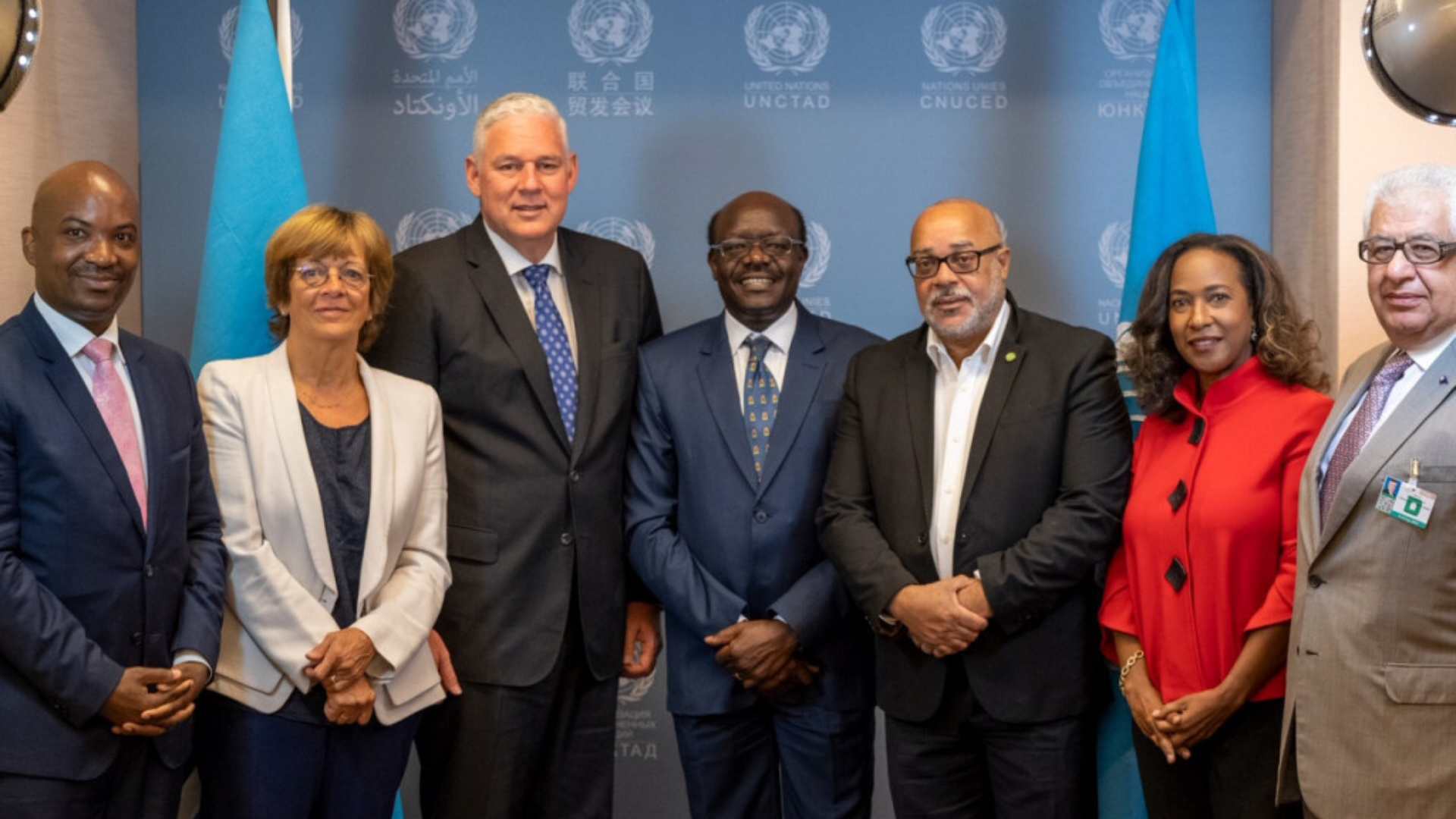
Philanthropic leadership grows stronger when collaboration connects institutions, communities, and global systems. Long-term impact depends on how effectively leadership aligns resources across sectors. Coordinated efforts ensure that development strategies remain scalable, consistent, and responsive to evolving challenges.
Public-Private Partnerships
Collaboration between public institutions and private leadership strengthens development outcomes. Philanthropic leadership supports partnerships that align policy direction with investment capacity. This approach ensures that projects receive both structural support and long-term sustainability.
Key ways partnerships strengthen philanthropic leadership include:
- Aligning government priorities with development initiatives
- Supporting joint funding models across sectors
- Strengthening regulatory and policy frameworks
- Encouraging shared accountability structures
- Expanding infrastructure and service delivery systems
These collaborative models reflect broader efforts where shared leadership drives measurable outcomes. Partnerships reduce fragmentation and improve efficiency across institutions.
Community Level Engagement
Local engagement plays a critical role in strengthening long-term development outcomes. Philanthropic leadership ensures that communities remain actively involved in planning and implementation. This inclusion improves relevance and supports sustainable progress.
Key ways leadership supports community engagement include:
- Encouraging grassroots participation in development planning
- Supporting local awareness and education initiatives
- Strengthening social infrastructure systems
- Promoting inclusive decision-making processes
- Reinforcing community-based resilience strategies
Community development highlights how local engagement strengthens long-term stability. When communities participate, outcomes become more effective and sustainable.
Strategic Global Alignment
Global collaboration enhances the effectiveness of philanthropic leadership. Sharing knowledge across regions improves planning, innovation, and long-term strategy. Leadership benefits from exposure to diverse models and best practices.
Key ways leadership strengthens global alignment include:
- Supporting international research partnerships
- Encouraging cross-border knowledge exchange
- Reinforcing data-driven development strategies
- Promoting global policy alignment
- Expanding access to international expertise
Efforts connected to global partnerships demonstrate how shared knowledge improves institutional capacity. Strategic alignment ensures that development efforts remain adaptable and forward-looking.
Philanthropic leadership advances when collaboration connects institutions at every level. Partnerships, community engagement, and global alignment create systems that support long-term resilience and sustainable development.

Sustaining Leadership Through Philanthropic Impact
Philanthropic leadership defines how societies move from short-term solutions to long-term institutional strength. When leadership aligns strategy with accountability and development, philanthropy becomes a structured force for stability. Healthcare, education, and infrastructure systems improve when guided by a clear vision and disciplined execution. This approach ensures that impact continues beyond individual initiatives.
Long-term progress depends on consistency, coordination, and responsible stewardship. Philanthropy strengthens resilience by connecting institutions, communities, and global knowledge systems. Integrated planning supports sustainable growth while reducing systemic vulnerability. When leadership remains focused on measurable outcomes, philanthropy evolves into a lasting driver of development and societal stability.
Philanthropic leadership continues to shape sustainable progress through disciplined vision and responsible leadership. Gilbert Chagoury’s reflects this commitment to structured development and long-term institutional impact.