

Philanthropic strategies for disaster preparedness protect communities before crises strike. Strong planning reduces risk, limits damage, and preserves stability during emergencies. Today, emergency readiness requires leadership that anticipates complex environmental and humanitarian threats. Institutions and communities must prepare long before a disaster occurs. Proactive philanthropic strategies for disaster preparedness strengthen public confidence and reinforce long-term institutional resilience.
Many regions still approach philanthropic strategies for disaster preparedness reactively rather than strategically. Limited resources, weak infrastructure, and fragmented coordination increase vulnerability. Philanthropy can strengthen preparedness through long-term planning and institutional capacity. Responsible leadership ensures readiness becomes structured, sustained, and community-focused. Effective preparedness requires disciplined oversight and consistent investment across sectors.
This blog examines philanthropic strategies for disaster preparedness through a philanthropic leadership lens. It highlights strategic approaches that strengthen institutions and protect communities. You will understand how preparedness philanthropy supports resilience and long-term stability.
Strategic Foundations of Disaster Preparedness
Disaster preparedness requires structured planning and long-term institutional investment. Effective emergency planning strengthens systems before crises emerge. Philanthropic leadership plays a central role in reinforcing capacity, coordination, and sustainability. Strategic preparedness reduces vulnerability while supporting community resilience and stability.
Strengthening Institutional Capacity
Strong institutions form the backbone of emergency readiness. Philanthropy can reinforce hospitals, schools, and infrastructure systems before emergencies occur. Institutional support ensures preparedness remains proactive rather than reactive.
Key ways preparedness philanthropy strengthens institutions include:
- Supporting healthcare system resilience.
- Funding emergency response training programs.
- Strengthening local governance structures.
- Investing in risk assessment capabilities.
- Building long-term infrastructure readiness.
Institutional capacity protects communities during a crisis. Proactive philanthropic strategies for disaster preparedness reduce long-term damage.
Long-Term Risk Mitigation Strategies
Disaster preparedness depends on anticipating risk and acting early. Philanthropic investment can support mitigation strategies that reduce exposure to natural hazards. Structured funding strengthens planning across vulnerable regions.
Key ways philanthropic emergency readiness supports mitigation include:
- Financing flood defense and coastal protection systems.
- Supporting climate risk research initiatives.
- Investing in early warning technology.
- Strengthening emergency communication systems.
- Funding community evacuation planning programs.
Mitigation reduces future recovery costs. Philanthropic strategies for disaster preparedness strengthen long-term resilience.
Corporate and Institutional Leadership
Leadership alignment enhances preparedness outcomes. Corporate philanthropy supports structured funding and strategic planning. Lessons from corporate initiatives demonstrate how businesses contribute to philanthropic strategies for disaster preparedness responsibly.
Key ways leadership strengthens emergency readiness include:
- Aligning private resources with public safety priorities.
- Encouraging responsible long-term funding commitments.
- Supporting institutional coordination frameworks.
- Strengthening partnerships across sectors.
- Promoting accountability and governance standards.
Leadership ensures structured implementation. Coordinated preparedness protects future generations.
Strategic preparedness philanthropy strengthens systems before a crisis strikes. Institutional investment, risk mitigation, and leadership alignment remain essential. These principles align with broader philanthropic leadership efforts that prioritize resilience and long-term stability.

Philanthropic Leadership in Disaster Preparedness
Philanthropic strategies for disaster preparedness become effective only when the strategy turns into implementation. Leadership ensures readiness moves beyond planning into structured execution. Institutions, healthcare systems, and communities must coordinate before crises emerge. Strong disaster requires discipline, funding, and long-term accountability.
Building Healthcare Resilience
Healthcare systems remain central to philanthropic strategies for disaster preparedness. Hospitals and medical institutions must operate under pressure during emergencies. Strengthening healthcare capacity ensures preparedness, protects lives, and reduces systemic collapse.
Key ways emergency planning strengthens healthcare resilience include:
- Strengthening hospital emergency response capacity.
- Supporting medical supply chain preparedness.
- Funding healthcare workforce emergency training.
- Supporting public health coordination systems.
- Investing in resilient healthcare infrastructure.
Healthcare resilience saves lives during a crisis. Strong systems reinforce long-term philanthropic strategies for disaster preparedness. Healthcare-focused initiatives align with broader philanthropy in healthcare and education efforts. Institutional investment strengthens emergency readiness sustainably.
Community Emergency Training
Community education strengthens philanthropic strategies for disaster preparedness at the local level. Prepared communities respond faster and recover more effectively. Philanthropic readiness supports training that builds awareness before emergencies strike.
Key ways preparedness supports community training include:
- Funding emergency preparedness workshops.
- Supporting disaster awareness education programs.
- Training volunteer response networks.
- Strengthening local communication systems.
- Supporting preparedness curriculum development.
Education builds confidence and coordination. Informed communities enhance disaster outcomes. Long-term training aligns with philanthropic leadership initiatives that prioritize capacity building. Community readiness reinforces institutional stability.
Cross-Sector Partnerships
Philanthropic strategies for disaster preparedness require coordination across sectors. Philanthropy can bridge public institutions and private organizations. Structured partnerships strengthen implementation and resource alignment.
Key ways preparedness partnerships strengthen resilience include:
- Aligning private and public resources.
- Supporting coordinated emergency planning.
- Funding shared response infrastructure.
- Strengthening governance collaboration.
- Promoting accountability frameworks.
Emergency readiness succeeds when leadership drives collaboration. Institutional strength, healthcare resilience, and community education work together.
Philanthropic implementation ensures philanthropic strategies for disaster preparedness remain proactive, structured, and sustainable. Strong governance frameworks reinforce accountability and improve coordination across public and private institutions. Long-term disaster planning protects vulnerable populations and strengthens national resilience.
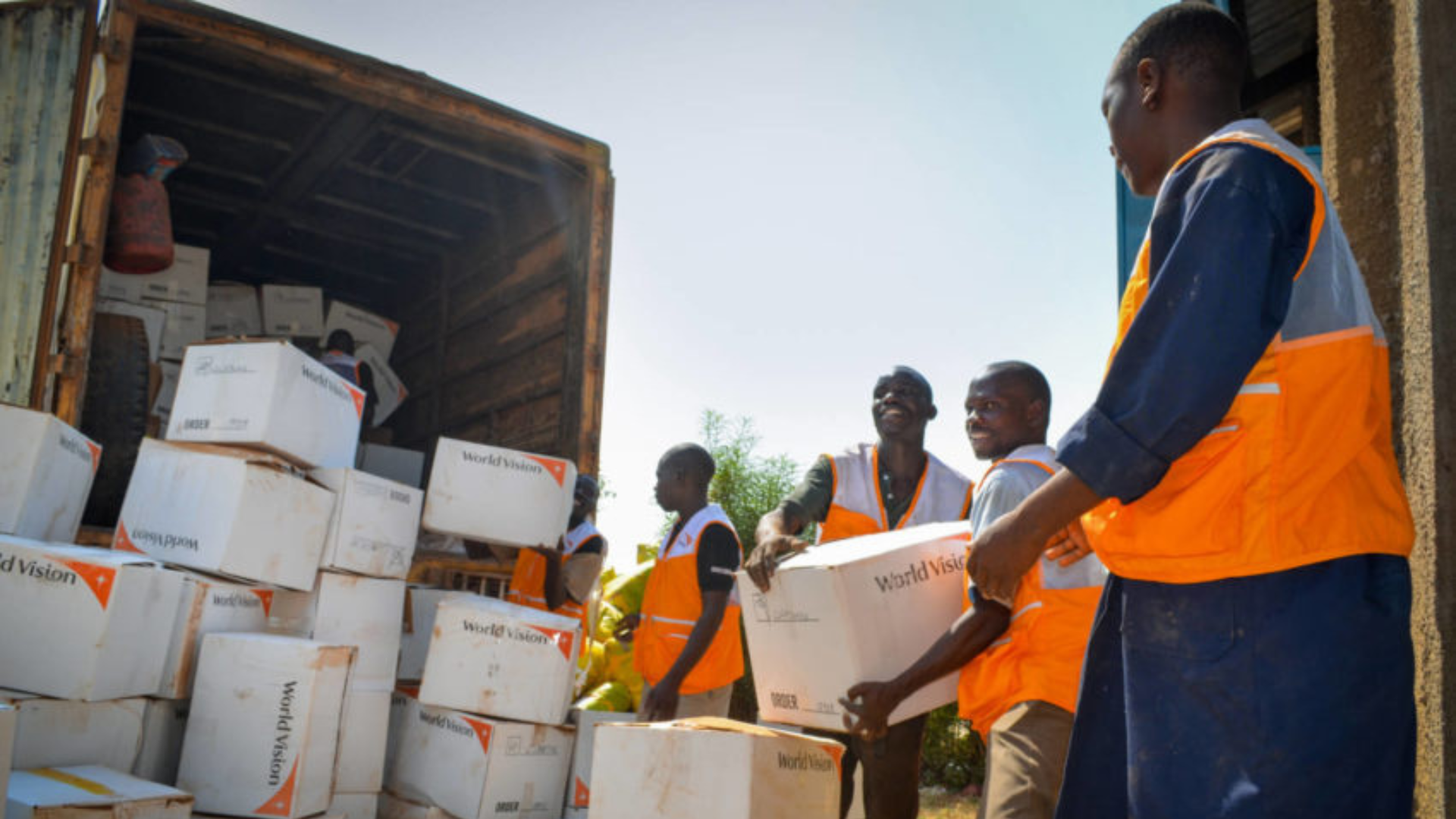
Disaster Preparedness and Long-Term Infrastructure
Philanthropic strategies for disaster preparedness depend heavily on resilient infrastructure and disciplined planning. Physical systems must withstand environmental stress and sudden emergencies. Philanthropic leadership strengthens preparedness by supporting infrastructure that protects communities and sustains economic stability.
Critical Infrastructure Stability
Critical infrastructure determines how societies respond during emergencies. Disaster requires stable transportation, healthcare, and communication systems. Strengthening these systems reduces vulnerability and supports coordinated emergency response.
Key ways emergency readiness strengthens critical infrastructure include:
- Supporting resilient healthcare facilities.
- Reinforcing emergency communication networks.
- Strengthening transportation access routes.
- Supporting energy and utility stability systems.
- Investing in long-term structural safety measures.
Infrastructure stability protects public safety. Strong systems enhance philanthropic strategies for disaster preparedness effectiveness. Infrastructure-focused leadership reflects principles seen across Chagoury Group development initiatives. Institutional expertise supports sustainable execution.
Environmental Protection Planning
Environmental resilience strengthens philanthropic strategies for disaster preparedness outcomes. Coastal protection, flood defense, and climate adaptation reduce risk exposure. Philanthropic readiness integrates environmental planning into long-term strategy.
Key ways preparedness integrates environmental resilience include:
- Supporting flood mitigation infrastructure.
- Investing in coastal protection systems.
- Funding climate risk research.
- Supporting sustainable urban planning models.
- Strengthening environmental compliance standards.
Environmental foresight reduces future crisis impact. Integrated planning strengthens philanthropic strategies for disaster preparedness and resilience. These approaches align with broader philanthropic leadership efforts focused on sustainable development. Responsible planning strengthens community protection.
Economic Continuity Through Investment
Economic stability depends on preparedness planning. Businesses, institutions, and communities require continuity frameworks. Philanthropic strategies for disaster preparedness investment support structured readiness that protects long-term economic confidence.
Key ways preparedness supports economic continuity include:
- Strengthening business continuity planning.
- Supporting workforce protection strategies.
- Funding risk assessment initiatives.
- Supporting coordinated recovery planning.
- Encouraging governance transparency during a crisis.
Leadership in emergency readiness reflects disciplined oversight and long-term responsibility.
These principles connect with Gilbert Chagoury’s leadership profile and broader development initiatives. Infrastructure resilience, environmental planning, and economic stability together strengthen preparedness frameworks for future generations.

Philanthropic Strategies for Disaster Preparedness
Preparedness protects communities through planning, coordination, and long-term investment. It reduces vulnerability before emergencies occur. Effective emergency planning strengthens institutions, supports economic stability, and safeguards public systems. Leadership and structured philanthropy play a vital role in building resilient communities.
Core Principles
Philanthropic strategies for disaster preparedness begin with risk awareness and structured planning across institutions and communities. Leaders must identify vulnerabilities and create response frameworks before crises emerge. Clear communication systems and coordinated governance reduce confusion during high-pressure emergencies.
Preparedness also depends on institutional strength and operational continuity. Hospitals, schools, and infrastructure must function during disruption. Philanthropic strategies for disaster preparedness support continuity through training, contingency planning, and infrastructure resilience. These foundations align with broader philanthropic leadership initiatives that prioritize long-term stability and responsible institutional support.
Strategic Planning
Strategic planning ensures philanthropic strategies for disaster preparedness remain proactive rather than reactive. Structured emergency frameworks clarify roles and streamline coordinated response efforts. Collaboration between institutions, private organizations, and community leaders strengthens disaster outcomes significantly.
Effective coordination improves resource allocation and operational efficiency. Philanthropic strategies for disaster preparedness benefit from shared information systems and clearly defined leadership responsibilities. Lessons from corporate philanthropy demonstrate how structured funding and accountability enhance preparedness coordination across sectors.
Long-Term Investment
Resilience requires sustained investment in systems, infrastructure, and people. Philanthropic strategies for disaster preparedness strengthen long-term stability by reinforcing healthcare, infrastructure, and education systems. These investments reduce recovery costs and protect vulnerable populations before crises escalate.
Community resilience also depends on leadership accountability and institutional discipline. Philanthropic strategies for disaster preparedness thrive when decision-makers prioritize safety and sustainability. This long-term perspective reflects development principles seen across the Chagoury Group and aligns with the leadership philosophy outlined in the Gilbert Chagoury profile.
Preparedness reflects disciplined planning and leadership responsibility. Strong institutions, coordination, and long-term investment support resilience. These principles align with philanthropic strategies that prioritize sustainable protection and structured community development.

Disaster Preparedness with Long-Term Recovery
Disaster preparedness does not end when a crisis begins. Effective readiness includes structured recovery and long-term rebuilding frameworks. Philanthropic strategies for disaster leadership ensure recovery efforts restore stability while strengthening systems against future disruption and uncertainty.
Post-Disaster Recovery Systems
Recovery systems determine how quickly communities regain stability. Philanthropic strategies for disaster preparedness must include clear rebuilding strategies before emergencies occur. Structured planning supports faster response and reduces long-term social disruption.
Key ways emergency planning strengthens recovery systems include:
- Supporting rapid infrastructure assessment programs.
- Funding emergency housing and shelter solutions.
- Reinforcing healthcare recovery capacity.
- Supporting coordinated relief distribution networks.
- Investing in resilient reconstruction planning.
Recovery planning reduces uncertainty. Structured philanthropic strategies for disaster preparedness accelerate community stabilization.
Protecting Economic Stability
Economic disruption often follows major disasters. Preparedness protects businesses and workers through continuity planning. Philanthropic strategies for disaster preparedness investment can stabilize local economies during vulnerable recovery periods.
Key ways readiness protects economic stability include:
- Supporting small business continuity planning.
- Funding workforce retraining programs.
- Strengthening financial risk mitigation systems.
- Encouraging public and private recovery collaboration.
- Supporting transparent rebuilding governance.
Economic stability supports faster recovery. Philanthropic strategies for disaster reduces prolonged financial strain.
Learning and Future Risk Reduction
Learning from crises strengthens future philanthropic strategies for disaster preparedness. Post-event evaluation improves response frameworks and leadership coordination. Continuous improvement ensures preparedness evolves with changing risks.
Key ways emergency readiness improves future resilience include:
- Supporting post-crisis performance reviews.
- Investing in updated policy frameworks.
- Strengthening emergency coordination systems.
- Expanding risk data collection programs.
- Encouraging long-term preparedness funding commitments.
Institutional learning strengthens future readiness. Proactive preparedness reduces repeated vulnerability.
Emergency planning remains a continuous cycle of prevention, response, and recovery. Long-term leadership ensures systems adapt and improve over time. Philanthropic readiness supports resilience that protects communities and sustains long-term stability. Effective preparedness strengthens institutional coordination across sectors and communities. Structured disaster ensures long-term protection against emerging risks and evolving challenges.
Leadership, Resilience, and Lasting Preparedness
Disaster preparedness strengthens communities through structured planning and responsible leadership. Long-term investment in institutions, infrastructure, and coordination reduces vulnerability before crises emerge. Sustainable readiness protects lives, stabilizes economies, and reinforces public confidence across generations. Effective preparedness builds resilience that supports national stability and long-term social development.
Philanthropic leadership enhances philanthropic strategies for disaster preparedness by supporting healthcare resilience, infrastructure stability, and community readiness. Strategic oversight ensures preparedness remains proactive rather than reactive. Responsible emergency planning aligns institutional strength with long-term community protection and national resilience. Strong disaster frameworks create durable systems that adapt to evolving environmental and humanitarian challenges.
Philanthropic strategies for disaster preparedness require informed leadership and long-term commitment. Visit the official Gilbert Chagoury website to learn more about strengthening institutions, empowering communities, and supporting long-term resilience through responsible philanthropy.