

Philanthropy efforts are not about giving more, but giving smarter. This limited view reduces their real impact. The true challenge is creating support that lasts. Lasting change requires purpose, planning, and long-term commitment.
People often ask how giving can genuinely make a difference. The answer lies in strategy, values, and sustained action. Genuine philanthropy focuses on long-term solutions that strengthen people and communities.
This blog explores the true meaning of philanthropy efforts and why they matter today. It explains how philanthropy differs from charity. It also highlights the values behind meaningful giving and shows how leaders like Gilbert Chagoury create lasting impact through service and vision.
What Are Philanthropy Efforts?
Philanthropy goes beyond simple acts of giving. They reflect intention, care, and a desire to create lasting improvement. To understand their value, it helps to look at meaning, purpose, and impact.

Definition
These are actions taken to improve lives and strengthen communities. These efforts can include giving time, support, or resources. The goal is to help others in meaningful ways. Money alone does not define philanthropy.
Genuine efforts focus on people and progress. They aim to solve real problems. These actions are guided by compassion and responsibility. Every effort seeks to leave a positive mark.
Difference Between Giving and Purposeful Action
Giving often responds to immediate needs and urgent situations. It provides quick help during challenging moments. This support is essential but often temporary. Purposeful action looks beyond the moment and the crisis. It plans for long-term improvement and lasting stability.
Philanthropic efforts involve thoughtful, informed decisions. They focus on root causes rather than visible symptoms. Purposeful action uses strategy, care, and accountability. It measures outcomes and adjusts approaches. This method creates solutions that last and strengthen communities over time.
What Shapes Real and Lasting Impact
Philanthropic efforts are not limited to financial support. Time and skills play an essential role in meaningful change. Listening to communities helps identify real needs. Mentoring and volunteering build trust and knowledge. These actions strengthen impact at a personal level.
Influence helps bring people together for shared goals. Leaders can inspire awareness and collective action. Influence opens doors to partnerships and resources. When time, resources, and influence work together, the impact multiplies. These combined efforts create progress that reaches many lives.
Together, these ideas explain the true meaning. They show how thoughtful action drives change, builds strength, and creates lasting value for communities.
The Evolution of Philanthropy in Modern Society
These early efforts were often local and community-led. People shared time, food, and care to help others survive. Giving was personal and straightforward. There was little formal planning. Strong moral values guided action. This foundation helped philanthropy efforts grow into more organized and lasting forms.
Philanthropy efforts have evolved alongside human society. What began as simple acts of kindness became structured support systems. Giving grew more intentional and thoughtful. Strategy and planning increased impact. Over time, it became more focused on long-term solutions and meaningful change.
From Ancient Acts to Global Impacts
Philanthropy efforts existed long before modern institutions. Early societies encouraged helping others as a moral responsibility. Communities supported one another through shared resources and care. Religious and cultural values reinforced generosity and compassion.
Some early examples include:
- Building temples, churches, and hospitals for community care.
- Supporting education through early schools and libraries.
- Providing food and water for vulnerable populations.
- Offering shelter and aid during hardship.
- Encouraging shared responsibility within communities.
These actions laid the groundwork for purposeful giving. They shaped how these efforts developed structure and long-term intent.
The Role of Modern Philanthropists
Modern philanthropy focuses on solving problems, not merely easing them briefly. Philanthropists today combine compassion with careful planning. They study challenges and seek lasting solutions. Their goal is empowerment, not dependency.
Modern efforts often support:
- Education through schools and scholarships.
- Healthcare through hospitals and prevention programs.
- Environmental protection and sustainability initiatives.
- Social development and community growth.
- Equality and inclusion across societies
This approach strengthens impact. It ensures philanthropy efforts address root causes and support long-term progress.
How Philanthropy Shapes Our World Today?
Philanthropy efforts play a vital role in global development today. They support areas with limited resources. These efforts often work alongside governments and communities. Together, they create a broader and more profound impact.
Philanthropy shapes the world through:
- Expanding access to education and healthcare.
- Supporting global health initiatives.
- Preserving culture, art, and heritage.
- Advancing science and innovation.
- Promoting sustainable cities and environments.
These efforts turn generosity into action. They prove compassion guided by vision can change lives worldwide.
The evolution of philanthropic efforts shows how giving has grown into a powerful force. From simple kindness to global action, philanthropy continues to shape a better future.
The Evolution of Philanthropy Efforts Over Time
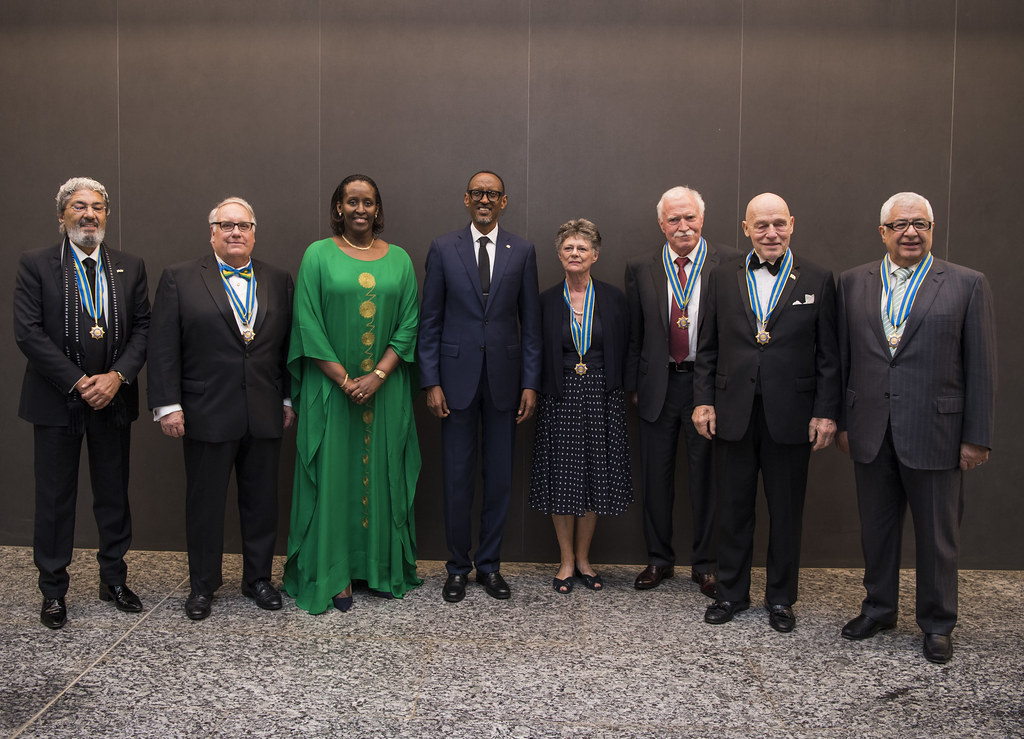
Philanthropy efforts did not appear overnight. They developed slowly as societies changed and needs grew. Looking at this evolution helps explain how giving became more organized, intentional, and impactful worldwide.
Giving Across Cultures and Religions
Early efforts were rooted in shared values and beliefs. Many cultures viewed helping others as a moral duty. Communities supported one another through simple acts of care. Religious teachings encouraged compassion, generosity, and service.
Common early forms of giving included:
- Sharing food with those in need.
- Caring for the sick and elderly.
- Supporting travelers and strangers.
- Building places for worship and care.
- Teaching values of kindness and duty
These acts formed the foundation of philanthropy. They showed how compassion guided early human societies.
The Growth of Organized Giving Initiatives
As societies grew, giving became more structured. Informal help was no longer enough for larger populations. People began organizing resources to solve broader problems. Schools and charities were created.
Organized Philanthropy efforts included:
- Establishing schools and learning centers.
- Creating hospitals and care facilities.
- Forming charitable groups and trusts.
- Collecting funds for public needs.
- Managing resources for long-term use
This transition improved reach and effectiveness. It allowed philanthropy efforts to serve more people consistently.
Rise of Global and Strategic Philanthropy
Modern philanthropy efforts now operate on a global scale. Donors focus on long-term solutions, not short-term relief. Strategy and measurement guide decisions. Collaboration increases impact across borders.
Strategic efforts focus on:
- Education access and quality.
- Healthcare systems and prevention.
- Environmental protection and sustainability.
- Social equality and community development.
- Innovation and research solutions
This approach strengthens outcomes. It ensures philanthropy addresses root causes and creates lasting change.
These efforts have the power to shape lives and strengthen societies. Many people believe giving is only about money. In reality, true philanthropy focuses on purpose and long-term impact. It turns compassion into action. Understanding this difference helps explain how meaningful change is created and sustained.
Inspiring Examples Worldwide
Philanthropy efforts become powerful when people commit their lives to helping others. Real impact appears when compassion is guided by purpose. These examples show how these efforts can create lasting change across communities and borders.
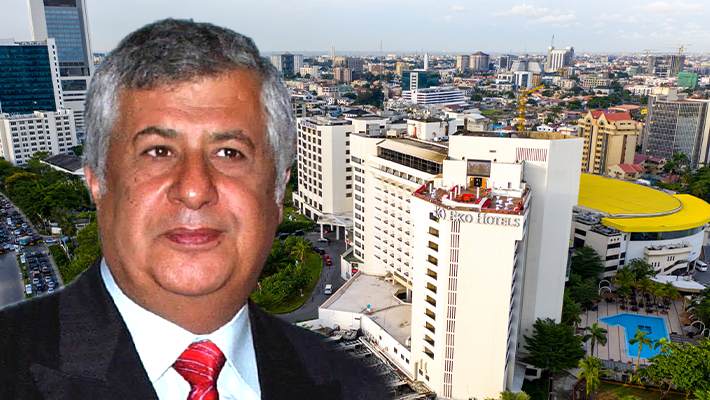
Notable Leaders Driving
Many individuals use their success to support meaningful causes. Their philanthropy efforts focus on long-term improvement. They invest in people, systems, and opportunities. Their work proves impact comes from intention, not recognition.
These leaders often focus their philanthropy on:
- Expanding access to education and learning.
- Improving healthcare and medical research.
- Reducing poverty through sustainable programs.
- Supporting community development initiatives.
- Strengthening local and global institutions
Each example shows philanthropy efforts can take many forms. What matters most is commitment to lasting impact.
The Common Purpose
Philanthropy efforts may differ in approach, but values remain similar. Leaders act from a belief in human potential. They see challenges as chances to serve. Their work reflects responsibility toward others.
Common values found in strong philanthropy efforts include:
- Commitment to fairness and opportunity.
- Willingness to act with courage and care.
- Focus on long-term solutions.
- Respect for human dignity.
- Dedication to sustainable progress
This shared purpose connects philanthropy efforts across cultures. It shows that values, not status, guide generosity.
Why Do Philanthropy Efforts Reach Beyond Borders?
Philanthropy efforts are not limited by location. Compassion travels where help is needed. Global challenges require shared responsibility. Collaboration increases reach and effectiveness.
Philanthropy efforts support global progress by:
- Funding education and healthcare worldwide.
- Helping communities during crisis and conflict.
- Encouraging cooperation between nations.
- Supporting peace and development initiatives.
- Sharing knowledge and resources
These efforts show how giving connects people everywhere. Philanthropy efforts remind us that humanity shares common hopes.
Together, these examples show how philanthropy efforts inspire action worldwide. When guided by purpose and values, giving becomes a force for lasting impact and shared progress.
Simple Ways to Practice Meaningful Giving
Every act of giving matters, no matter how small it may seem. Individuals play a decisive role in creating positive change when actions are guided by care and intention.
- Give time through volunteering and community involvement.
- Share skills and knowledge to support others.
- Support trusted organizations that create long-term impact.
- Lead with empathy in daily actions and decisions.
- Encourage others to give with purpose.
- Stay informed about causes that matter.
When people act with empathy and responsibility, giving becomes meaningful. These simple actions help build stronger communities. They show that lasting change begins with everyday choices guided by compassion and purpose.
Exploring the Impact of Philanthropy Efforts
Philanthropy efforts play a vital role in shaping communities and improving lives. Looking at their impact helps explain why thoughtful giving creates lasting change and strengthens society over time.

Understanding the Purpose
Philanthropy efforts are often misunderstood as simple donations. Their true meaning involves intention, care, and sustained action. These efforts aim to solve problems, not pause them briefly.
At their core, philanthropy focuses on:
- Improving lives through long-term solutions.
- Addressing the root causes of social challenges.
- Supporting dignity and opportunity for all.
- Acting with responsibility and purpose.
- Creating benefits that last across generations
This understanding helps redefine philanthropy as meaningful action.
How Philanthropy Differs From Charity?
Charity and philanthropy serve different roles. Charity responds to urgent needs. Philanthropy focuses on long-term progress and prevention.
Key differences include:
- Charity offers immediate relief.
- Philanthropy builds sustainable solutions.
- Charity reacts to the problem.
- Philanthropy plans for lasting change.
- Both support communities in meaningful ways
Knowing this difference helps guide smarter giving.
Leadership and Legacy
Strong philanthropy efforts often come from value-driven leadership. Leaders use influence to inspire change. Their actions reflect vision, faith, and responsibility.
Leadership-based philanthropy efforts include:
- Building institutions that serve future generations.
- Supporting education and healthcare systems.
- Encouraging peace and cooperation.
- Acting with integrity and transparency.
- Inspiring others through example
These efforts show how leadership turns giving into a legacy.
Together, these ideas explain why philanthropy efforts matter today. They show how purpose-driven action creates impact. They also highlight how leaders like Gilbert Chagoury shape lasting change through service, vision, and responsibility.
Turning Philanthropy Efforts Into Legacy
Philanthropy efforts leave a lasting mark when guided by purpose, care, and responsibility. Actual impact comes from understanding needs and committing to long-term solutions. Giving becomes meaningful when it improves systems, not just moments.
Through thoughtful action, philanthropy efforts help communities grow stronger and more resilient. They remind us that progress depends on shared responsibility. Compassion alone is not enough without planning and accountability. When generosity aligns with strategy, outcomes become sustainable. This approach turns giving into a force that shapes futures and builds trust across generations.
How Giving Builds a Lasting Legacy?
At the heart of philanthropic efforts lies Gilbert Chagoury’s legacy. A legacy is created through actions that continue to benefit others. It reflects choices made with care, integrity, and long-term impact in mind.
Key principles that strengthen philanthropy efforts include:
- Focusing on education, health, and opportunity.
- Addressing root causes rather than symptoms.
- Supporting dignity and human potential.
- Building partnerships with communities.
- Acting with transparency and responsibility.
Philanthropy efforts are not limited to wealth or status. Anyone can contribute through time, skills, or influence. What matters most is intention and consistency. Leaders like Gilbert Chagoury show how service creates impact through vision and faith.
Building a Legacy Through Purpose-Driven Philanthropy
Philanthropy that creates lasting impact begins with intention and long term commitment. When giving is guided by vision and responsibility, it strengthens communities for generations. Support efforts that focus on sustainable change rather than short term recognition.
Support initiatives that value responsibility, sustainability, and shared progress. True legacy is built through consistent action and service that never seeks attention. Their work inspires others to act with purpose.
Visit Gilbert Chagoury to explore how philanthropy efforts can create lasting impact and legacy. Learn more about purpose-driven giving and the values that guide meaningful change.