
Better healthcare starts with better education, not bigger hospitals. Healthcare and education shape the strength of every society. When either system fails, communities face lasting harm. Many regions still face limited access to care and education. This gap affects families, workers, and future generations. Philanthropy in healthcare education has become a vital force in addressing these challenges and supporting long-term development.
The main challenge is unequal access to healthcare education. Public systems often lack funding, training, and modern infrastructure. As a result, quality care remains out of reach for many communities. Philanthropy in healthcare education helps reduce these gaps. It supports institutions, develops skilled professionals, and strengthens sustainable systems.
This blog explains how philanthropy in healthcare education strengthens health systems and expands access to care. It highlights how strategic giving supports training, institutions, and workforce development. How long-term philanthropic commitment improves equity, delivers measurable outcomes, and creates lasting social impact across communities.
Foundations of Philanthropy in Healthcare Education
Gilbert Chagoury began his philanthropy in healthcare education in the 1980s. This decade launched a lifelong commitment shaped by action, compassion, and measurable impact.
His earliest efforts centred on healthcare, where urgent needs met meaningful opportunity. These experiences laid the foundation for a broader philanthropic journey that would later expand into education and community development.
The Rise of Healthcare Philanthropy
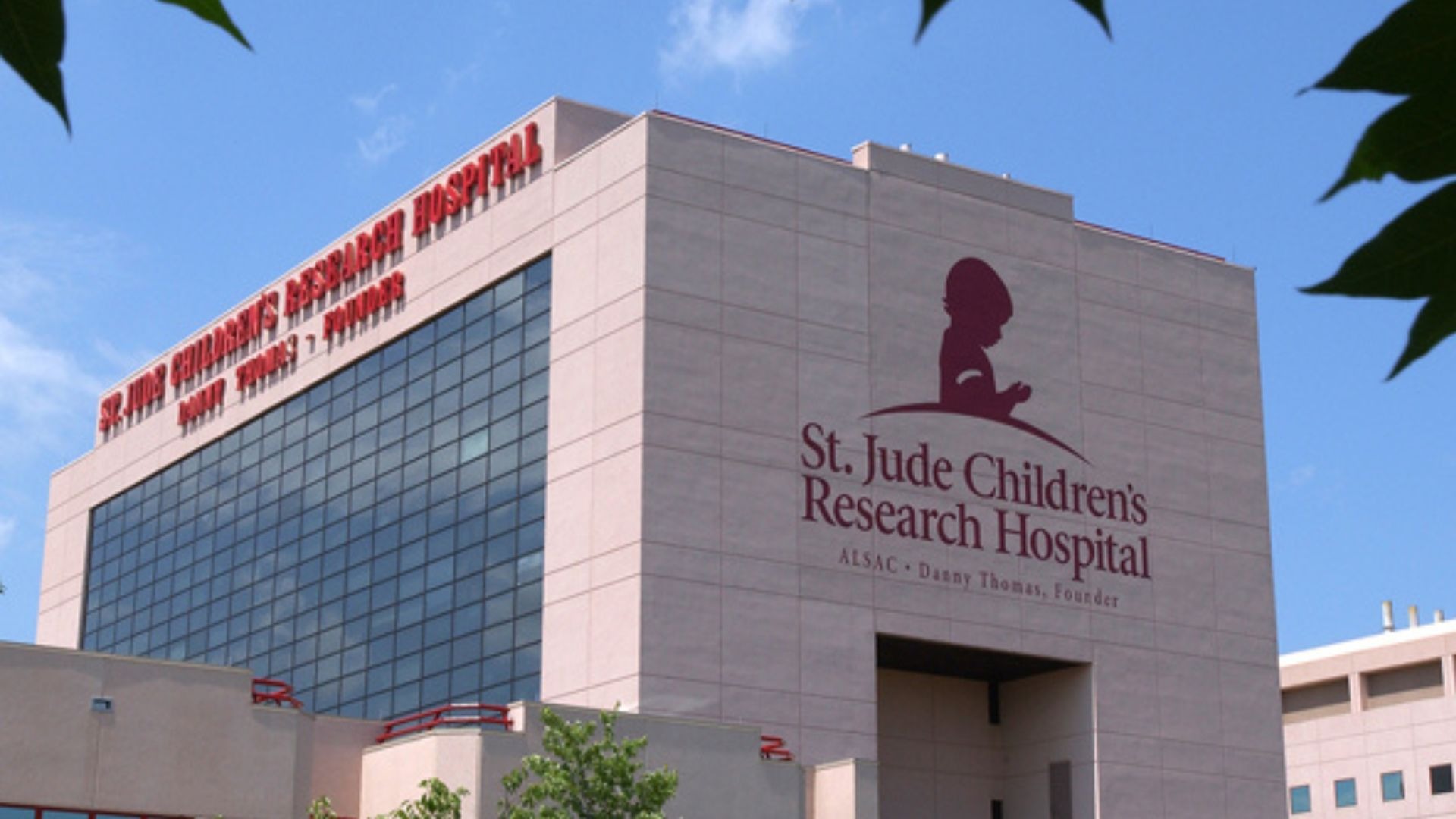
Chagoury’s philanthropy in healthcare education first took shape through early educational initiatives. He recognized the importance of supporting institutions dedicated to saving lives, especially children facing serious illness. This commitment reflected both urgency and long-term vision.
His support for pediatric healthcare institutions during this period received international recognition. These early efforts established credibility and purpose in his philanthropic work.
Key moments from this phase include:
- Supporting pediatric healthcare initiatives during the 1980s.
- Contributing to institutions focused on childhood illness.
- Receiving the Founder’s Award in 1985.
- Being honored for unselfish dedication to healthcare causes.
- Rose-Marie Chagoury was named Woman of the Year in 1988.
- Gilbert Chagoury was named Man of the Year in 1990.
These milestones marked the beginning of a public and impactful philanthropic path. Recognition followed action, not intention.
Advancing Childhood Cancer Research
Philanthropic support plays a vital role in medical progress. During the mid-1980s, childhood cancer research faced significant limitations. Survival rates remained low, and advancement depended heavily on external funding.
Support during this critical period helped strengthen research capacity and patient care. Early involvement contributed to long-term progress in treatment and outcomes.
The impact of this support included:
- Strengthening pediatric cancer research during a critical era.
- Supporting treatment development and patient care programs.
- Contributing to increased research momentum.
- Helping improve childhood cancer survival rates over time.
- Supporting advances that saved thousands of young lives
Survival rates for childhood cancers rose from around 60 percent to over 80 percent. This progress reflects the lasting value of early philanthropic involvement.
Supporting Lagos During Public Health Crisis
Public health emergencies demand swift and decisive action. Lagos became the epicenter of Nigeria’s coronavirus outbreak. Healthcare systems faced pressure as cases increased rapidly.
During this critical period, philanthropic support helped strengthen response efforts. The Chagoury brothers stepped forward to support Lagos State directly. Their actions focused on care, dignity, and frontline support.
Their response to the crisis included several key contributions:
- Donating N1 billion to Lagos State for the COVID-19 response.
- Making the largest private donation to the state at that time.
- Providing daily meals for patients receiving treatment.
- Supplying 300 meals daily for healthcare workers.
- Supporting public health efforts during peak outbreak periods.

These efforts helped relieve pressure on public health services. They also supported frontline workers caring for affected patients.
These early initiatives shaped the foundation of Chagoury’s philanthropic vision. Healthcare emerged as a lifelong priority rooted in action and responsibility. From research support to crisis response, his giving reflected purpose and foresight. This foundation paved the way for broader investments in healthcare education and sustainable systems.
Why Does Philanthropy Matter in Healthcare Education?
Philanthropy strengthens healthcare by addressing gaps that limit progress. It supports learning, training, and long-term system development. Many health systems struggle due to limited resources and workforce shortages. Education remains a critical foundation for improving outcomes and efficiency. When education improves, care quality follows. Philanthropic support helps sustain this connection and expand opportunity across regions.
Philanthropy also encourages innovation in healthcare education. It allows institutions to test new training models. These efforts improve knowledge sharing and practical skills. Over time, education-driven support builds resilient healthcare systems.
Role of Philanthropy in Healthcare Education
Healthcare education often lacks sufficient public funding. Many training programs operate with outdated tools and facilities. Rural and underserved areas face even greater challenges. Philanthropy in healthcare education helps expand access to medical knowledge and professional skills.
It supports scholarships, training programs, and institutional growth. This support improves the quality of care and patient trust. Strong healthcare depends on trained and knowledgeable professionals. Doctors, nurses, and health workers require continuous learning opportunities. Medical knowledge evolves rapidly and demands regular training.
Developing Healthcare Skills Through Education
Strong healthcare depends on trained and knowledgeable professionals. Doctors, nurses, and health workers require continuous learning opportunities. Medical knowledge evolves rapidly and demands regular training.
Philanthropy in healthcare education supports this ongoing development. It funds training programs, research exposure, and practical learning environments.
Building Strong Health Through Education
Education improves how healthcare systems function over time. Training supports leadership development, research capacity, and innovation. Philanthropic investment helps institutions adapt to changing health needs. It also supports modernization and long-term planning. These efforts create resilience during crises and everyday care delivery.
Well-educated systems respond better to community needs. They manage resources more effectively. Long-term education funding ensures sustainable progress in healthcare. It strengthens systems for future generations.
Philanthropy in Healthcare Education Across Africa
Philanthropy in healthcare education often reveals its true strength when it extends beyond business success. For Gilbert Chagoury, giving has consistently gone hand in hand with responsibility. His contributions across Africa and healthcare education reflect a vision rooted in long-term progress rather than short-term relief.
This phase of hisChronicle of Philanthropy in healthcare education highlights how leadership, generosity, and strategic thinking can shape societies. From public health emergencies to national development and medical education, his impact spans regions and generations.
Nigeria’s Public Health Crisis Response
Public health crises demand swift and decisive action. During critical moments, philanthropy in healthcare education can provide support where systems face sudden pressure. Chagoury’s response in Nigeria reflected urgency, scale, and care for frontline workers. His support during this period demonstrated a commitment to protecting lives and strengthening public response efforts.

Key actions during this phase included:
- Donating N1 billion to Lagos State N1 billion to Lagos State to support the COVID-19 response.
- Providing the largest private donation to the state government at the time.
- Supporting public health containment and emergency care.
- Donating 300 high-quality meals daily to health workers and patients.
- Supporting frontline medical staff during peak crisis periods.
- Reinforcing local commitment to Lagos and its people
These actions strengthened emergency response capacity. They also reflected a belief that philanthropy in healthcare education should act quickly when lives are at risk.
Leadership Shaping Africa’s Growth
Beyond emergency support, Chagoury Group expanded its influence to national development across Africa. His role expanded beyond financial contributions to advisory leadership. This approach blended economic expertise with humanitarian responsibility. By working alongside governments, he supported policies focused on long-term growth and stability.
His contributions across Africa included:
- Serving as an economic adviser to Benin’s leadership.
- Supporting development strategies during key growth periods.
- Receiving the Ordre National du Bénin at the Commander rank.
- Being recognized for strengthening West Africa’s economic capacity.
- Supporting infrastructure and social development initiatives.
- Promoting long-term systems over temporary solutions
This recognition reflected more than advisory service. It highlighted how philanthropy in healthcare education and policy can work together to improve lives.
Chagoury’s philanthropic journey proves that targeted giving delivers long-lasting results. By supporting people, institutions, and systems, he advanced health and education across regions. His work reflects responsible giving guided by foresight and purpose.
Medical Education and Healthcare in Lebanon
Lebanon’s healthcare system has long faced structural challenges. Limited resources, workforce shortages, and outdated training models weakened public health capacity. Gilbert Chagoury recognized that sustainable improvement required investing in education and institutions that could serve future generations.
His philanthropic focus in Lebanon centered on healthcare education, professional training, and institutional development. These efforts aimed to strengthen national capacity rather than provide temporary relief.
Medical Education Institutions
Medical education became a central pillar of Chagoury’s philanthropic work in Lebanon. He understood that strong healthcare systems depend on well-trained physicians and modern academic infrastructure. His support focused on creating institutions that meet global standards.
These investments were designed to elevate Lebanon’s position in regional medical education and research.
Key initiatives in medical education included:
- Pledging $13.5 million to Chagoury Health Sciences Center at the Lebanese American University (LAU).
- Launching the university’s first medical school.
- Establishing long-term academic infrastructure.
- Partnering with Harvard Medical International on curriculum design.
- Introducing globally recognized medical training standards.
- Expanding access to high-quality medical education within Lebanon.
These efforts enabled students to pursue advanced medical training at home. They also strengthened Lebanon’s healthcare workforce for decades.
Nursing Workforce Education
Alongside physician training, nursing education remained a critical priority. Shortages of qualified nurses have strained hospitals and clinics nationwide. Chagoury addressed this gap by investing in nursing education.
Key contributions to nursing education included:
- Establishing the Alice Ramez Chagoury School of Nursing.
- Expanding access to professional nursing education.
- Supporting modern training facilities and resources.
- Preparing nurses for hospital and community care.
- Strengthening healthcare delivery across regions.
- Promoting compassion and service within nursing practice.
These initiatives improved patient care quality. They also created a stronger and more resilient healthcare workforce.
Education Investment Across Lebanon
As his philanthropic vision evolved, Chagoury deepened his commitment to Lebanon during the 1990s. This phase reflected a strong connection to heritage and a sense of responsibility. He understood that recovery required opportunity, not reconstruction alone.
Education and community development became central to this effort. His giving focused on empowering people while strengthening local infrastructure.
His initiatives during this period included:
- Funding scholarships for Lebanese students.
- Supporting education in Lebanon and abroad.
- Prioritizing students from underprivileged backgrounds.
- Investing in infrastructure in the town of Miziara.
- Supporting roads and essential utilities.
- Honoring heritage through community development.
Gilbert Chagoury’s Chronicle of Philanthropy highlights purposeful giving in action. By investing in education, institutions, and systems, his philanthropy in healthcare education capacity and advanced national development. It stands as a model of impact-driven, future-focused philanthropy.
Purpose Driven Healthcare Philanthropy
Philanthropy in healthcare education reflects values when guided by responsibility and long-term intent. Gilbert Chagoury’s approach centers on dignity, access, and sustainable outcomes. His efforts strengthen healthcare systems that serve vulnerable populations. Protecting human life remains central to every initiative.
Rather than short-term aid, his giving prioritizes institutions, research, and education. Each initiative reflects a belief in strong, lasting healthcare systems.
Trusted Medical Institutions
Supporting established healthcare institutions remains central to this approach. By partnering with respected organizations, Chagoury expands medical capacity. These efforts also improve patient outcomes across healthcare systems. Partnerships focus on quality care, innovation, and long-term growth.
His philanthropy in healthcare education supports institutions advancing knowledge and treatment. The goal is improved care without compromising professional standards.
Key areas of institutional support include:
- Children’s hospitals and pediatric care services.
- Medical research and innovation programs.
- Health education and professional training.
- Access to specialized medical treatments.
- Long-term institutional development
These efforts strengthen healthcare delivery across regions. They also support continued progress in medical science and patient care.
Purpose Driven Vision of Service
Vision plays a defining role in effective philanthropy. Chagoury’s healthcare giving focuses on long-term value over recognition. Responsibility guides how resources are allocated and sustained.
Careful planning ensures contributions and support systems that endure. Trust, accountability, and sustainability guide each decision. This approach keeps healthcare initiatives effective over time.
This vision shows how leadership can strengthen global healthcare. Compassion combined with responsibility creates a lasting impact in healthcare.
The Future of Healthcare Education Philanthropy
Philanthropy in healthcare Education focuses on long term impact rather than temporary relief. It prioritizes systems that continue supporting communities over time. Education, stable funding, and local capacity form the foundation of lasting healthcare improvement.
Gilbert Chagoury’s approach reflects this future-focused vision. His philanthropy in healthcare education, infrastructure, and workforce development is remarkable. These efforts help systems grow independently. They reduce dependence on external aid while strengthening local responsibility and leadership.
Purpose-driven giving creates impact that lasts for generations. Learn more about how philanthropy in healthcare education creates lasting impact and supports stronger health systems.