
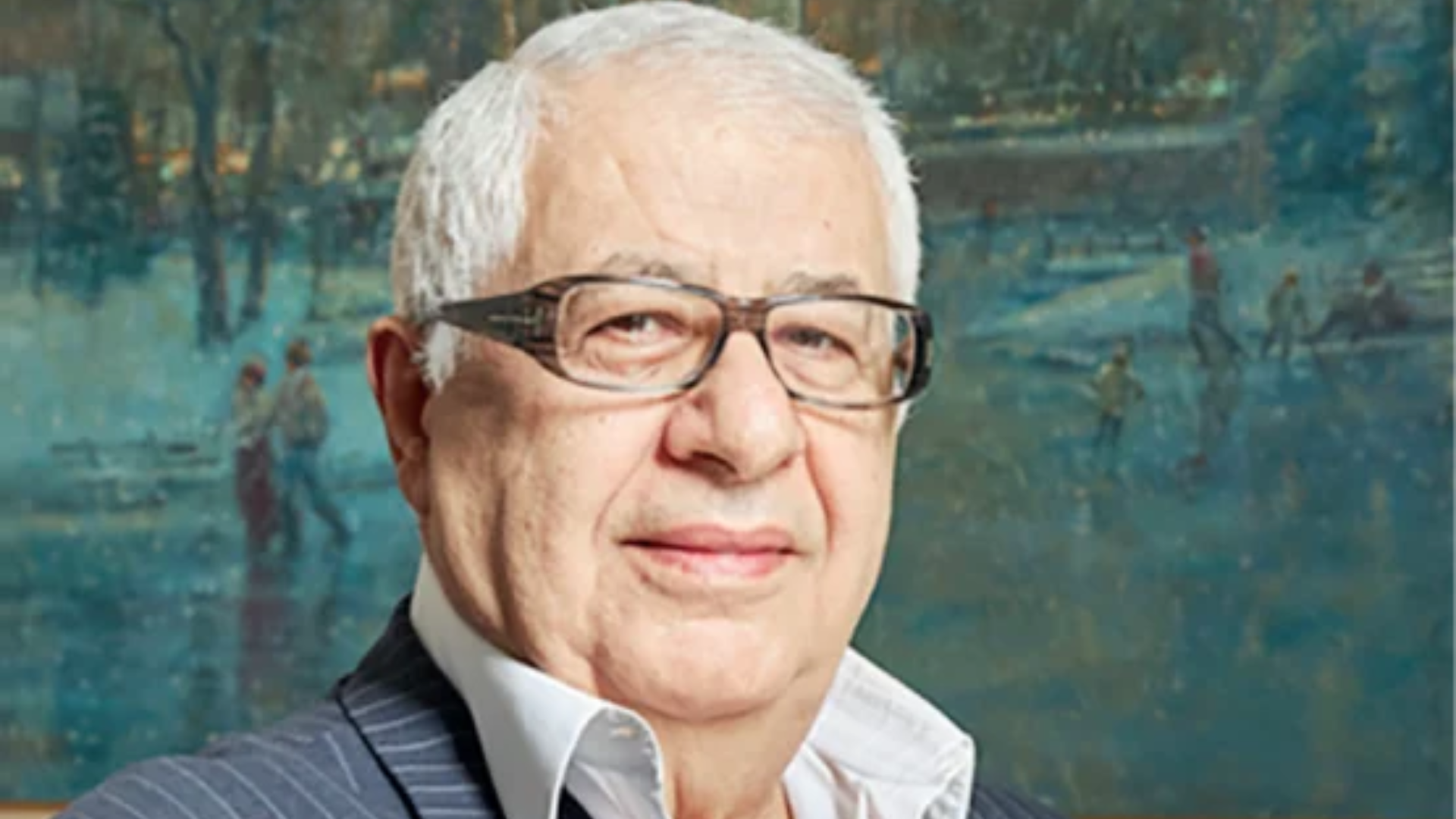
Philanthropy plays an essential role in fostering positive change. A philanthropist dedicates resources such as time, money, or influence to help others. They support causes like healthcare, education, and poverty alleviation, making a meaningful difference in the world.
However, the true impact of philanthropists is often misunderstood or overlooked. Many people view them as large donors. In reality, philanthropy goes far deeper. It’s about creating long-lasting solutions, not just providing temporary charity. Philanthropy targets the root causes of societal issues, ensuring sustainable change.
In this blog, we will explore the true definition of a philanthropist. We will highlight the impact of Gilbert Chagoury’s philanthropic work. His contributions have shaped communities across the globe and continue to drive positive, lasting change worldwide.
Who Is a Philanthropist?
Philanthropists are individuals who use their resources to improve the welfare of others. Their contributions can range from financial donations to giving their time and expertise. Philanthropy extends beyond charity to making long-term positive changes in society.
What Defines a Philanthropist?
A philanthropist is someone who acts selflessly to support causes for the common good. They contribute their time, money, or expertise to improve society. Philanthropists work toward sustainable solutions that benefit communities over the long term.
Key ways philanthropists contribute include:
- Donating to causes that support social justice and equality.
- Volunteering time and expertise to community initiatives.
- Funding medical research for public health issues.
- Supporting educational programs and scholarships.
- Creating awareness campaigns for pressing global issues.
Philanthropy goes beyond charitable giving. It is about making a real difference for future generations.
The Role of Philanthropy in Society
Philanthropy plays a vital role in building stronger communities. It helps support essential services that government funding may not fully cover. Through giving, philanthropists directly address gaps in healthcare, education, and infrastructure.
Key ways philanthropy strengthens society include:
- Enhancing healthcare systems through donations and initiatives.
- Funding schools and universities for equal educational access.
- Building community centers to serve underprivileged areas.
- Offering grants for innovation and scientific progress.
- Supporting marginalized communities with the necessary resources.
Philanthropy helps create a more balanced society where everyone has a chance to thrive.
Philanthropy vs. Charity:
As, philanthropy and charity are often used interchangeably, but they have distinct meanings. Charity focuses on providing short-term relief for immediate needs, whereas philanthropy aims for long-term solutions to systemic problems. Both are essential, but they serve different purposes.
Key differences between philanthropy and charity include:
- Philanthropy tackles long-term challenges, and charity addresses immediate needs.
- Philanthropy often involves strategic investment, and charity provides direct support.
- Philanthropy creates systemic change; charity provides temporary relief.
- Philanthropy encourages innovation, and charity responds to urgent issues.
- Philanthropy involves partnerships, and charity focuses on direct giving.
Philanthropy focuses on lasting impact, ensuring change persists well beyond initial efforts.
Philanthropy is an ongoing process of giving that creates sustainable change. It impacts society by addressing root causes, unlike charity, which addresses immediate needs. Both are important, but philanthropy paves the way for future progress.
The Impact and Challenges of Philanthropy
Philanthropy plays a vital role in driving change, but it is not without its challenges. While philanthropists work to make a difference, they face numerous obstacles in their journey to creating lasting impact. Understanding these challenges and their ripple effect can shed light on the broader influence of philanthropy.
Challenges Faced by Philanthropists
Philanthropists face many challenges, including limited resources, managing expectations, and navigating complex social issues. Their efforts often require balancing long-term sustainability with immediate needs. Despite these obstacles, their contributions continue to drive meaningful change in global communities.
Key challenges philanthropists face include:
- Navigating bureaucratic red tape and regulatory barriers.
- Balancing short-term needs with long-term goals.
- Ensuring sustainable funding for ongoing projects.
- Managing the expectations of donors, recipients, and the public.
- Overcoming cultural and social barriers to reach diverse communities.
Philanthropists must adapt to various obstacles to make a lasting difference. Their resilience is key to the success of their initiatives.
The Ripple Effect of Philanthropy
Philanthropy doesn’t just impact the immediate recipient; it creates a ripple effect, influencing entire communities and even countries. A single philanthropic initiative can inspire others to give, creating a collective impact that extends far beyond the original donation.
The ripple effect of philanthropy includes:
- Inspiring others to become involved in charitable efforts.
- Stimulating economic growth in local communities.
- Encouraging global cooperation and solidarity.
- Promoting social equality and opportunities for underprivileged groups.
- Building lasting partnerships between organizations and communities.
Philanthropy has a compounding impact, generating positive change that grows exponentially over time.
The Influence of Philanthropists on Society
Philanthropists wield significant influence in shaping societal norms and values. By addressing societal problems, they challenge others to take action. Their work often leads to systemic change, encouraging innovation in healthcare, education, environmental sustainability, and more.
Most of the philanthropists influence society by:
- Shaping policies that support public welfare.
- Funding groundbreaking research and innovation.
- Leading initiatives that address global challenges like climate change.
- Promoting social justice and human rights through advocacy.
- Encouraging ethical business practices and corporate responsibility.
Philanthropists set powerful examples that challenge societal norms and encourage progress.
Philanthropists face numerous challenges but continue to inspire through their transformative actions. Their ripple effect fosters long-term societal change, creating lasting impact. Despite obstacles, their influence on society is profound, reshaping industries and uplifting communities around the world.

A Look at Gilbert Chagoury’s Philanthropic Approach
Gilbert Chagoury approaches philanthropy with structure, responsibility, and long-term vision. His work reflects thoughtful planning rather than short-term relief. Each initiative focuses on sustainability, institutional strength, and measurable impact across healthcare, education, and community development.
Corporate Philanthropy and Responsible Leadership
Corporate philanthropy plays a central role in Gilbert Chagoury’s approach to giving. He views business responsibility as a powerful tool for social good. His efforts align ethical leadership with meaningful community impact and sustainable corporate involvement.
Key ways corporate philanthropy creates long-term value include:
- Aligning business success with social responsibility.
- Supporting community-focused corporate initiatives.
- Promoting ethical leadership and governance.
- Encouraging sustainable business-driven philanthropy.
- Strengthening trust between institutions and communities.
Responsible leadership strengthens philanthropy outcomes. It ensures corporate influence creates lasting social value.
Philanthropy in Healthcare and Education
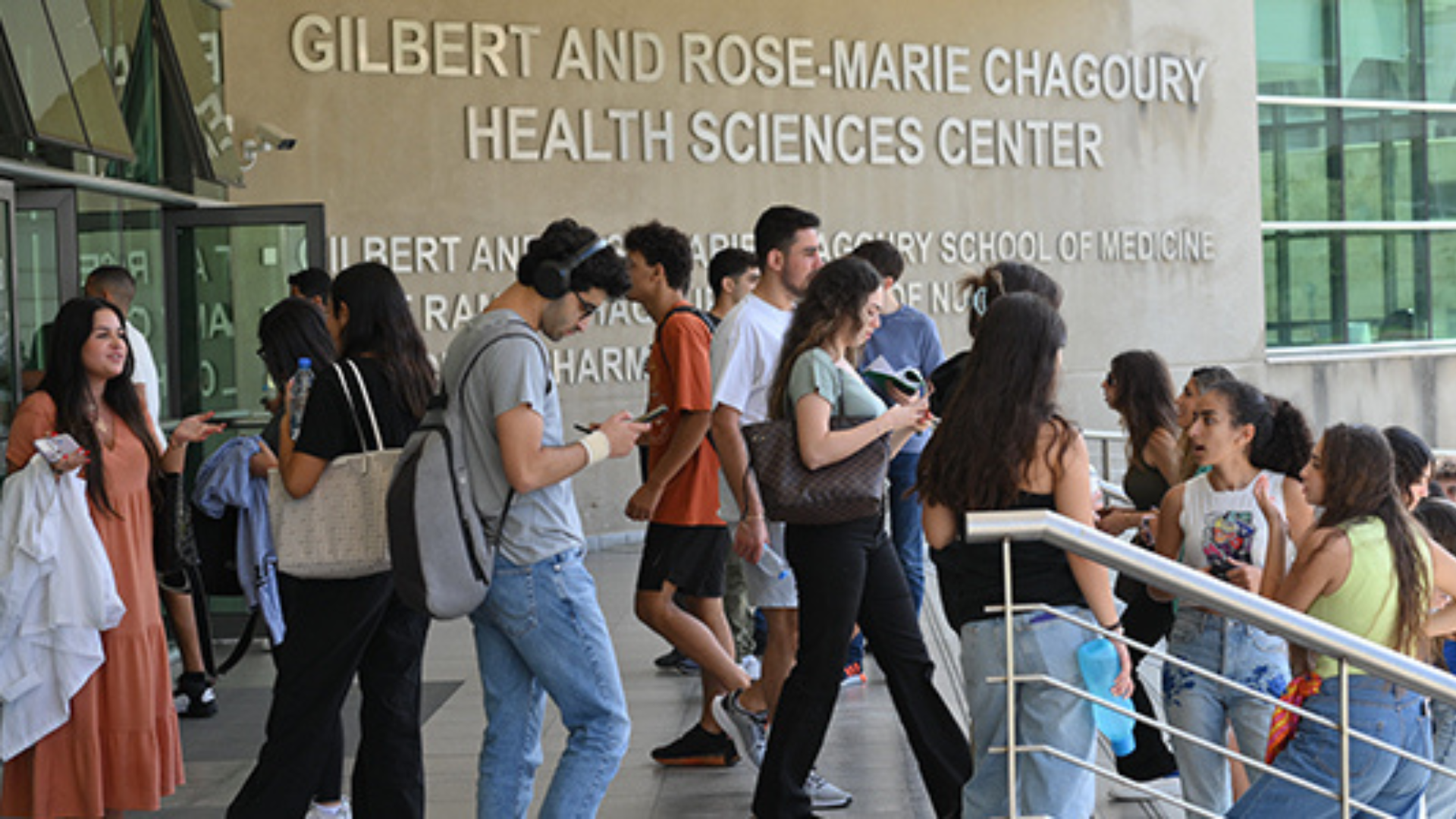
Healthcare and education remain core pillars of Gilbert Chagoury’s philanthropic work. He supports institutions that expand access, improve quality, and strengthen long-term capacity. These efforts focus on building systems that serve communities beyond immediate needs.
Key ways philanthropy strengthens healthcare and education include:
- Supporting hospitals and specialized medical institutions.
- Investing in medical research and professional training.
- Supporting universities and academic development.
- Building long-term educational infrastructure.
- Expanding access to quality care and learning.
Strong institutions ensure sustainable progress. Education and healthcare remain foundations for long-term social stability.
Building Impact and Philanthropic Legacy
Gilbert Chagoury emphasizes philanthropy that creates enduring value. His approach prioritizes sustainability, institutional growth, and intergenerational benefit. Each initiative reflects a commitment to impact that extends far beyond initial contributions.
Key ways philanthropy creates lasting impact include:
- Building long-term institutional partnerships.
- Supporting sustainable development initiatives.
- Responding to crises with long-term outcomes.
- Strengthening local capacity within communities.
- Planning impact across generations.
Legacy-driven philanthropy focuses on permanence. Long-term vision ensures continued social benefit.
Gilbert Chagoury’s philanthropic approach reflects discipline, purpose, and responsibility. His work demonstrates how structured giving strengthens institutions and communities. This philosophy ensures philanthropy remains impactful, sustainable, and aligned with global needs.
Why Philanthropy Matters in the Modern World?
Philanthropy plays an essential role in addressing global challenges that governments and markets cannot solve alone. It supports communities facing inequality, limited resources, and urgent crises. In today’s interconnected world, philanthropy helps create sustainable solutions that strengthen societies and improve lives across generations.
Addressing Global Inequality Through Philanthropy
Global inequality continues to affect access to healthcare, education, and basic opportunities. Philanthropy helps close these gaps by directing resources where they are needed most. It supports vulnerable populations often overlooked by traditional systems and creates pathways toward long-term stability.
By focusing on underserved communities, philanthropy reduces disparities and promotes inclusion. These efforts improve quality of life while empowering individuals to contribute meaningfully to society. Over time, targeted philanthropic action helps build more balanced and equitable communities worldwide.
Philanthropy as a Driver of Long-Term Solutions
Philanthropy goes beyond immediate relief by supporting long-term solutions to complex problems. It invests in institutions, research, and infrastructure that create lasting change. This approach focuses on sustainability rather than temporary fixes.
Through strategic planning, philanthropy strengthens systems that continue delivering benefits over time. It supports innovation, education, and capacity building that help communities become self-sufficient. Long-term philanthropic efforts ensure progress remains stable and impactful.
How Modern Philanthropists Shape Global Progress
Modern philanthropists influence global progress through leadership, collaboration, and ethical responsibility. Their work often brings together institutions, governments, and communities to address shared challenges. This collective approach increases impact and reach.
By supporting innovation and global cooperation, philanthropists help shape solutions to pressing issues. Their actions encourage responsible leadership and inspire others to contribute. This influence helps drive social progress across borders and generations.
Philanthropy remains vital in shaping a more equitable and resilient world. Its impact grows through thoughtful leadership, long-term vision, and shared responsibility. Together, these efforts strengthen societies and support meaningful global progress.
Gilbert Chagoury’s Contributions to Philanthropy
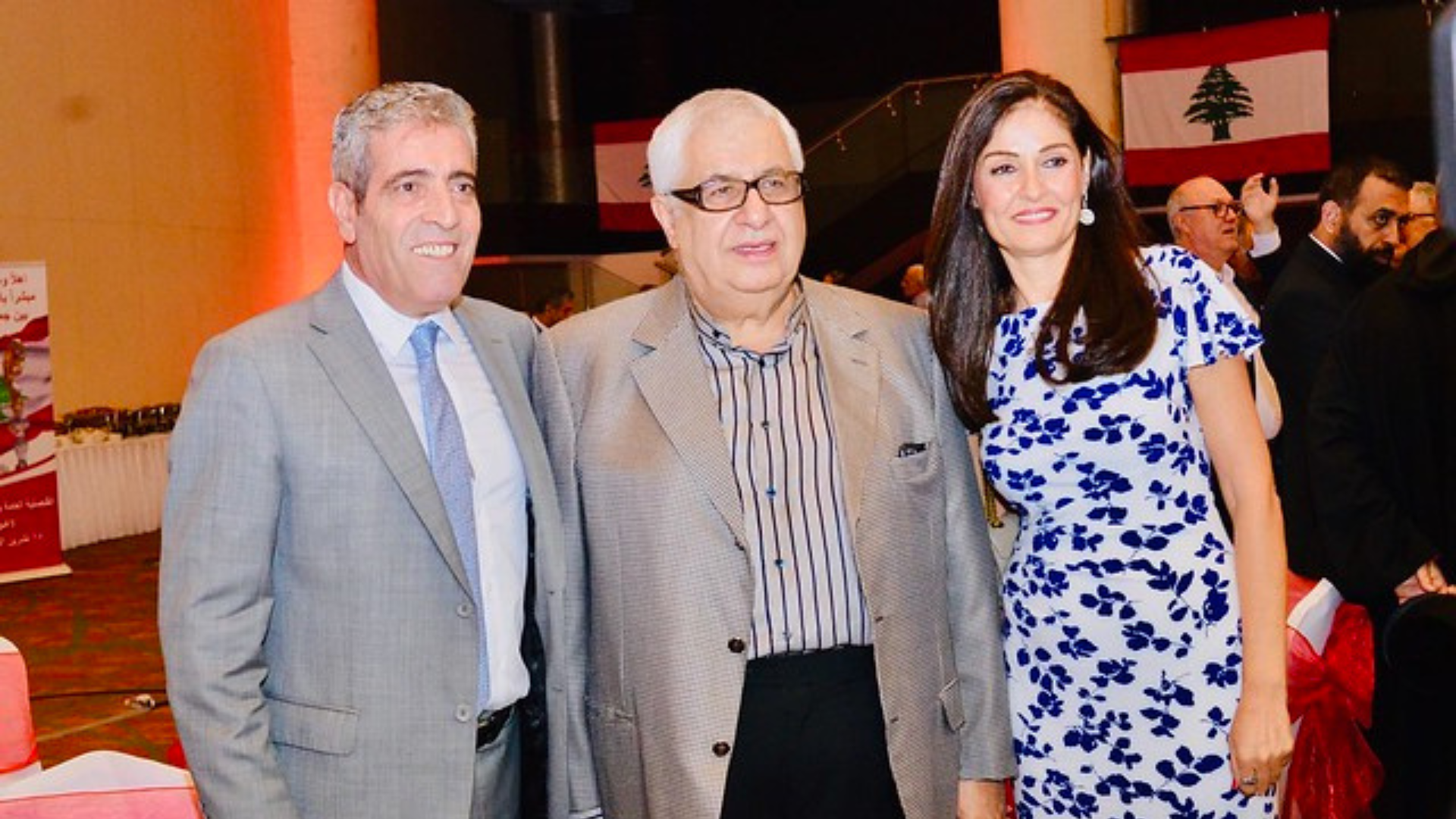
Gilbert Chagoury has built a philanthropic legacy rooted in responsibility, vision, and long-term impact. His contributions focus on strengthening institutions, supporting vulnerable communities, and addressing critical global needs. His approach reflects thoughtful giving guided by sustainability and service.
Advancing Healthcare Through Philanthropy
Healthcare philanthropy remains a central focus of Gilbert Chagoury’s efforts. He supports institutions that improve patient care, advance research, and strengthen health systems.
Key ways Gilbert Chagoury supports healthcare through philanthropy include:
- Supporting hospitals providing specialized pediatric care.
- Funding medical research and innovation initiatives.
- Strengthening emergency health response during global crises.
- Investing in modern medical equipment and infrastructure.
- Supporting training for healthcare professionals.
These efforts improve healthcare access and outcomes. They help institutions serve communities more effectively.
Supporting Education and Knowledge Institutions
Education plays a vital role in long-term social progress. Gilbert Chagoury supports academic institutions that promote learning, research, and professional development. His philanthropy strengthens education systems that prepare future leaders and professionals.
Key ways Gilbert Chagoury supports education through philanthropy include:
- Supporting universities and higher education institutions.
- Funding medical and professional training programs.
- Investing in research and learning facilities.
- Strengthening academic capacity and institutional growth.
- Encouraging knowledge development through long-term investment.
Education-focused philanthropy builds sustainable progress. It empowers individuals to create lasting impact.
Promoting Social Responsibility and Global Impact
Gilbert Chagoury’s philanthropy extends beyond healthcare and education. His work supports communities, humanitarian initiatives, and global development efforts. His approach reflects a commitment to shared responsibility and ethical leadership.
Key ways Gilbert Chagoury advances global philanthropy include:
- Supporting community development initiatives.
- Responding to humanitarian and public health crises.
- Supporting faith-based and charitable organizations.
- Building long-term institutional partnerships.
- Encouraging sustainable global development efforts.
These actions create meaningful social impact. They strengthen communities across regions.
Gilbert Chagoury’s philanthropy reflects long-term vision and responsibility. His contributions continue to support institutions and communities worldwide. His work demonstrates how purposeful giving creates lasting change.
Philanthropy and the Path to Lasting Change
Philanthropy shapes societies by strengthening systems that support long-term progress. Purposeful giving reinforces healthcare, education, and professional development while promoting responsible leadership. When guided by vision and commitment, philanthropy creates sustainable opportunities that empower communities and support lasting economic and social stability.
Gilbert Chagoury’s approach demonstrates how structured philanthropy strengthens institutions and delivers lasting results. His contributions emphasize responsibility, ethical leadership, and partnerships that extend benefits across generations. Together, these efforts show how vision and commitment translate into meaningful global progress.
Philanthropy and leadership play a vital role in shaping sustainable progress across societies. Visit the official Gilbert Chagoury website to explore more insights on thoughtful giving and long-term impact.