
Health care transforms lives when philanthropy fills critical gaps. Many people think healthcare progress depends solely on government or private systems. In reality, philanthropy in healthcare helps close critical gaps. It supports care in resource-constrained settings. It brings hope to communities often left behind.
Health systems worldwide face increasing pressure. Rising costs, unequal access, and limited infrastructure affect millions. Public funding alone cannot solve every challenge. Private care also leaves gaps. The real problem is finding sustainable support that improves care for everyone.
This blog explains the importance of philanthropy in healthcare and its impact. You will learn how giving strengthens health systems, how leadership and vision guide meaningful action. How philanthropic efforts create lasting improvements in global health outcomes.
Understanding the Importance of Philanthropy in Healthcare
Philanthropy supports healthcare systems in ways other sectors often cannot. It fills gaps, strengthens services, and improves access. This role becomes critical where resources are limited. Understanding this role explains why philanthropy remains essential to health progress.

Why Does Philanthropy Matter in Healthcare?
Philanthropy helps address urgent health needs across communities. It supports care where funding falls short. These efforts often reach vulnerable populations first. Philanthropy also encourages innovation in treatment and prevention.
Key ways philanthropy supports healthcare include:
- Funding medical research and innovation.
- Supporting hospitals and health facilities.
- Expanding access to essential treatments.
- Improving care in underserved regions.
- Strengthening prevention and education programs.
These efforts help health systems serve more people. They also improve quality and long-term outcomes.
Filling Healthcare Gaps Across Systems
Public health systems face budget limits and growing demand. Private care often remains unaffordable for many. Philanthropy helps bridge this divide. It supports services that might otherwise remain unavailable.
Philanthropy in healthcare fills gaps by:
- Supporting care in low-resource settings.
- Funding equipment and medical supplies.
- Helping train health professionals.
- Improving rural and community health access.
- Supporting research beyond commercial interests.
This approach strengthens healthcare delivery. It ensures help reaches those who need it most.
Supporting Innovation and Medical Progress
Philanthropy allows healthcare innovation to grow. It supports pilot programs and early research. These ideas often expand through larger institutions later. Innovation begins with support and trust.
Philanthropy encourages progress through:
- Testing new treatment approaches.
- Supporting early-stage medical research.
- Encouraging collaboration across sectors.
- Scaling successful health programs.
- Advancing patient-focused solutions
This support drives meaningful progress. It helps transform ideas into life-saving care. These roles underscore the importance of philanthropy in healthcare. It strengthens systems, encourages innovation, and widens access to care. Its influence goes far beyond individual acts of giving.
Gilbert Chagoury’s Commitment to Healthcare Philanthropy
Gilbert Chagoury’s health-focused philanthropy reflects a deep commitment to human dignity. His efforts support healthcare institutions serving vulnerable communities. These initiatives focus on access, quality, and long-term impact. His approach combines compassion with responsibility.

His philanthropy in healthcare supports hospitals, medical research, and specialized care. These contributions help improve treatment and patient outcomes. Support is directed toward institutions that advance knowledge and save lives. Each initiative reflects a belief in sustainable healthcare systems.
Advancing Care Through Trusted Institutions
Gilbert Chagoury supports respected medical organizations with global reach. His giving strengthens institutions that focus on research and patient care. These partnerships help expand services and improve treatment options.
His healthcare philanthropy includes:
- Supporting children’s hospitals and pediatric care.
- Funding medical research and innovation.
- Strengthening health education and training.
- Improving access to specialized treatments.
- Supporting long-term institutional growth
These efforts help institutions serve more patients. They also advance medical progress.
Vision Guided by Service and Responsibility
Philanthropy in healthcare, guided by vision, creates lasting impact. Gilbert Chagoury’s approach focuses on long-term value rather than short-term aid. His support helps build systems that continue serving communities. Responsibility guides every contribution. Careful planning ensures resources are used wisely. This vision strengthens institutions and supports sustainable health outcomes over time.
This vision emphasizes sustainability and trust. It ensures health initiatives remain effective. His work shows how leadership can strengthen healthcare worldwide.
Philanthropy and Global Health Impact
Philanthropy plays a critical role in improving global health outcomes. It supports care in regions with limited access and resources. These efforts address urgent needs while building long-term solutions. Global healthcare philanthropy focuses on saving lives and strengthening systems.
Many global health challenges cross borders. Diseases, shortages, and inequality affect entire regions. Philanthropy in healthcare helps respond quickly and effectively. It supports initiatives that governments alone cannot sustain.
Global Health Through Strategic Giving
Strategic philanthropy helps improve health worldwide. It funds programs that expand access to treatment and prevention. These efforts often target the most vulnerable populations. The goal is lasting improvement, not temporary relief.
Global philanthropy in healthcare supports:
- Medical care in low-resource countries.
- Disease prevention and control programs.
- Maternal and child health initiatives.
- Access to essential medicines.
- Health education and awareness
These actions help reduce health disparities. They improve the quality of life across communities.
Building Stronger Global Health Systems
Philanthropy in healthcare also strengthens health systems globally. It supports infrastructure, training, and research. Strong systems respond better to crises. They also improve everyday care.
Support in this area includes:
- Building and upgrading health facilities.
- Training health professionals.
- Supporting medical research.
- Improving supply chains.
- Strengthening emergency response
These efforts create resilience. They help systems serve populations more effectively.
Driving Long-Term Global Health Impact
Global health Philanthropy focuses on sustainability. It encourages collaboration between countries and institutions. Shared knowledge increases impact. Long-term partnerships support lasting progress.
This approach ensures:
- Programs continue beyond initial funding.
- Communities gain local capacity.
- Health improvements remain stable.
- Innovation spreads effectively.
- Global cooperation grows
Together, these efforts show how philanthropy improves global health. It brings care where it is needed most. Its impact reaches far beyond borders and generations.
Importance of Philanthropy in Strengthening Healthcare

Health care challenges continue to grow worldwide. Rising costs, aging populations, and global crises strain existing systems. Public resources alone cannot meet future needs. Philanthropy will play a larger role in shaping stronger, more resilient healthcare systems.
Rising Need for Private Healthcare Support
Health care systems face increasing pressure every year. Pandemics exposed weaknesses in global preparedness. Many regions still lack basic medical services. Private philanthropy in healthcare helps respond where public systems fall short.
Future healthcare pressures include:
- Rising medical and treatment costs.
- Limited access in low-resource regions.
- Shortages of trained health professionals.
- Growing demand for preventive care.
- Increased risk of global health emergencies.
These challenges show the importance of philanthropy in healthcare and its impact.
Gilbert Chagoury’s Long-Term Vision
Gilbert Chagoury’s philanthropy focuses on preparing health systems for future needs. His contributions support strong institutions and sustainable solutions. The goal is readiness, not reaction. Long-term planning guides every effort.
His future-focused healthcare philanthropy supports:
- Strengthening hospital infrastructure.
- Supporting access to modern medical equipment.
- Investing in health worker training.
- Encouraging innovation and technology use.
- Building partnerships for sustainable care.
This vision ensures health systems remain capable and responsive.
Aligning Philanthropy With Global Health
Global health goals guide responsible philanthropy. Gilbert Chagoury’s work aligns with efforts to reduce inequality. His contributions support access, quality, and sustainability. These values match international health priorities.
Alignment with global goals includes:
- Supporting equitable access to care.
- Promoting preventive health strategies.
- Encouraging medical research collaboration.
- Strengthening health system resilience.
- Advancing long-term health equity.
This alignment reinforces the importance of philanthropy in healthcare leadership.
Looking ahead, philanthropy will shape the future of healthcare philanthropy. Vision, responsibility, and long-term commitment matter more than ever. Through leadership and purpose, philanthropy in healthcare helps build healthier, more equitable societies for generations to come.
Gilbert Chagoury’s Healthcare Philanthropy Legacy
Health care philanthropy reflects decisive action during critical moments. His contributions focus on strengthening health systems and protecting lives. These efforts combine immediate response with long-term investment. Together, they show the importance of philanthropy in healthcare and its impact.
Public Health During Global Crises
During the coronavirus pandemic, Gilbert Chagoury acted quickly to support public health efforts. His contribution helped strengthen emergency response systems. This support focused on saving lives and protecting health workers. Timely action played a critical role during uncertainty.
His donation to Lagos State supported disease containment and patient care. It addressed urgent needs within an overstretched system. Support was also extended to daily meals for patients and medical staff. These actions eased pressure on frontline health services.
Investing In Medical Training
Strong healthcare begins with education. His philanthropy in healthcare supports institutions that train future medical professionals. This approach focuses on long-term system improvement. Education ensures sustainable healthcare progress.
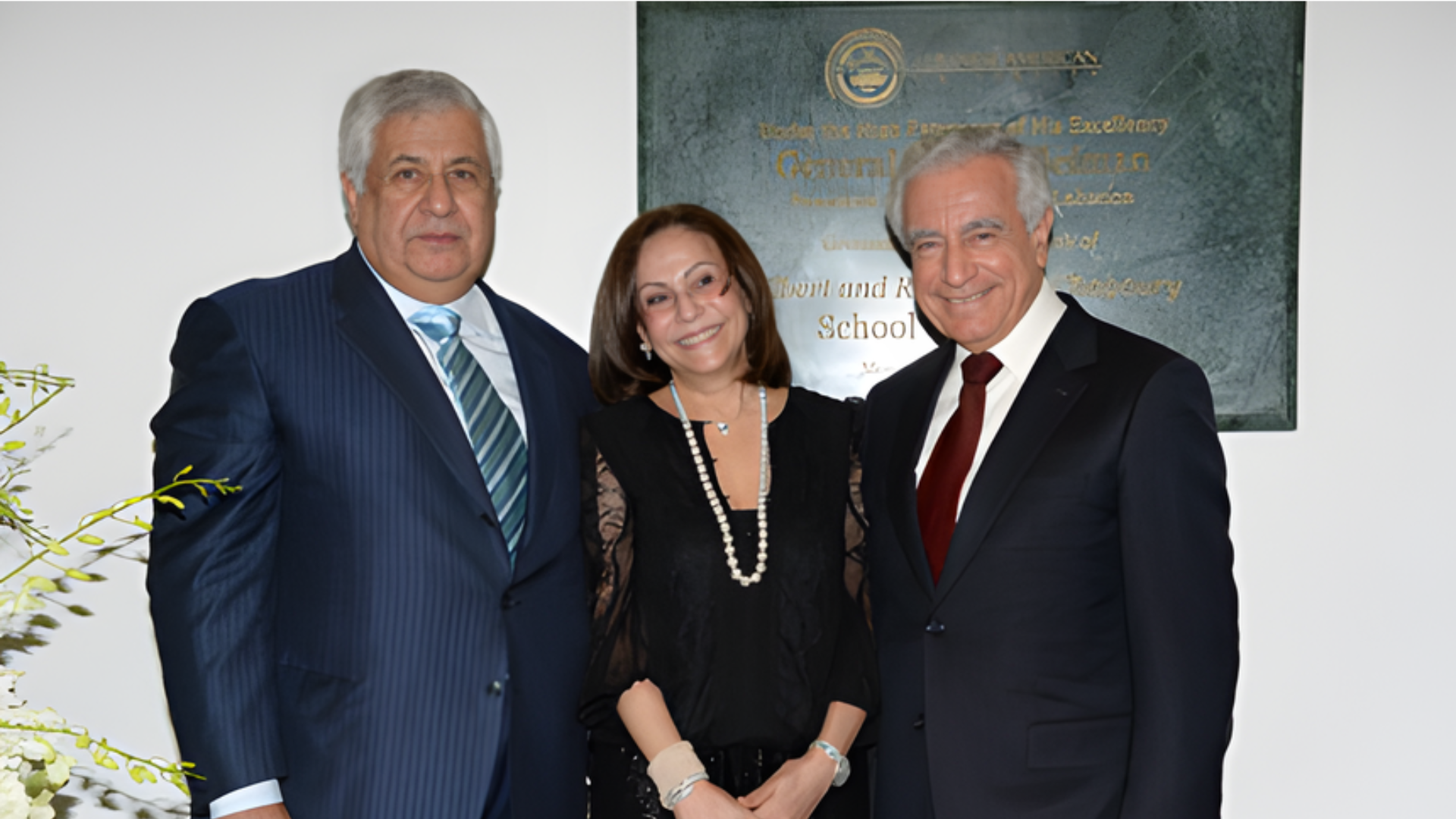
The Chagoury Health Sciences Center at Lebanese American University reflects this vision. The facility supports medicine, nursing, and pharmacy. It provides modern learning and research environments. This investment helps train health professionals to global standards.
Building a Healthcare Legacy
Health care philanthropy emphasizes lasting infrastructure. He supports projects that continue serving communities for generations. This approach values permanence over temporary solutions. Long-term thinking guides every contribution.
His philosophy views healthcare as a shared human responsibility. Investing in facilities and training empowers others to save lives. These efforts reduce dependence on external systems. His work demonstrates how philanthropy in healthcare can reshape the future.
Gilbert Chagoury’s work shows how leadership and responsibility strengthen healthcare systems. His approach demonstrates how philanthropic impact creates lasting improvements in healthcare.
Gilbert Chagoury’s Leadership in Healthcare Philanthropy

Philanthropic work reflects strong leadership and long-term vision. His approach centers healthcare on human dignity. He believes access to quality care strengthens societies. This belief guides his contributions across regions and institutions.
His leadership style emphasizes responsibility and sustainability. For him, health care philanthropy means building systems that last. Each contribution supports institutions that serve people beyond immediate needs. This approach reflects the importance of philanthropy in healthcare and its impact.
Strengthening Healthcare Institutions
Gilbert Chagoury supports established health institutions with proven missions. His contributions strengthen capacity and improve patient care. These efforts focus on research, treatment, and education. Institutional growth ensures long-term health benefits.
His focus for philanthropy in healthcare supports:
- Hospitals providing specialized and pediatric care
- Medical research that improves treatment outcomes
- Training programs for future health professionals
- Expansion of health education institutions
- Long-term stability of trusted medical centers
These actions help institutions serve more lives. They also improve the quality of care over time.
Leading With Vision and Responsibility
Health care philanthropy guided by values creates a more profound impact. His work reflects faith, compassion, and ethical responsibility. These principles shape how resources are used. They ensure support remains purposeful and respectful.
This values-driven approach includes:
- Respect for human dignity in healthcare
- Commitment to ethical leadership
- Focus on sustainable health solutions
- Careful stewardship of resources
- Long-term commitment to service
These principles guide meaningful healthcare philanthropy.
Inspiring Action Across Generations
Leadership in philanthropy inspires others to act. Gilbert Chagoury’s example encourages responsible giving. His work demonstrates how vision can drive progress in healthcare. Impact grows when leadership inspires participation.
Through his actions, he demonstrates:
- Giving is a lifelong responsibility.
- Health care is a shared human concern.
- Leadership rooted in service.
- Philanthropy driven by purpose.
- Impact measured across generations.
His leadership highlights how philanthropy strengthens healthcare systems and communities.
Leadership-driven philanthropy in healthcare plays a vital role in healthcare progress. Purposeful giving strengthens institutions and improves long-term outcomes.
Explore Vision for Healthcare Philanthropy
Gilbert Chagoury’s work shows how vision shapes the importance of philanthropy in healthcare. His leadership inspires responsible action and long-term commitment. Gilbert Chagoury’s work shows how vision shapes the role of philanthropy in healthcare. His leadership reflects a belief in responsibility, consistency, and long term commitment.
These efforts highlight how thoughtful giving strengthens health systems and improves lives across generations.To learn more about this mission, visit the official Gilbert Chagoury website. These efforts demonstrate how philanthropy can reinforce health systems across generations.
Follow the Chagoury Group to stay connected with ongoing philanthropic initiatives. Discover how leadership, vision, and service continue to shape the impact of healthcare worldwide.