
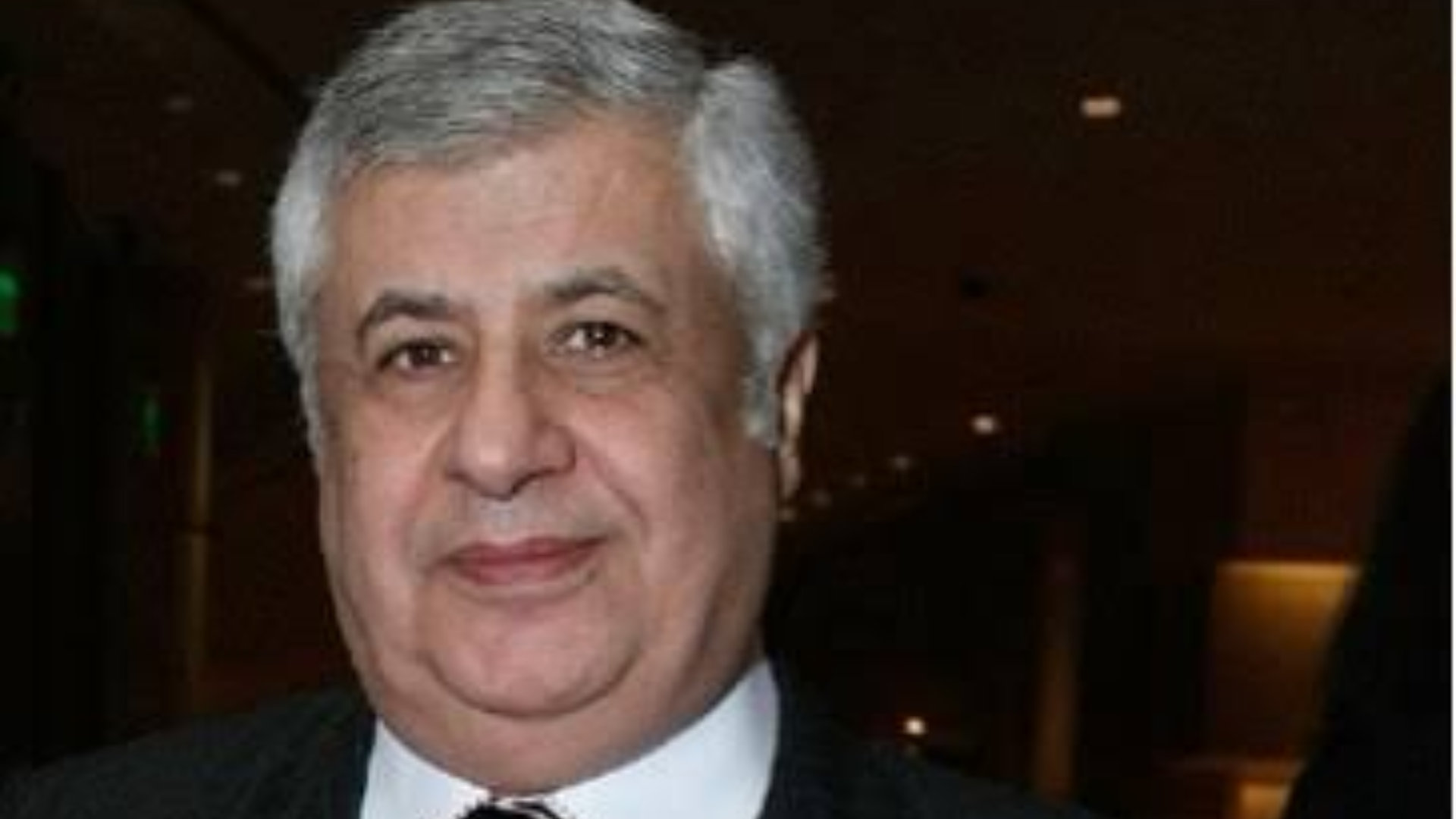
Philanthropic Leadership can shape how giving responds to real community needs. Strong leadership can turn resources into programs that support people, institutions, and long-term development.
Effective philanthropy requires more than making donations. It requires understanding needs, supporting strong institutions, and maintaining a long-term commitment to meaningful outcomes. Gilbert Chagoury’s philanthropic work reflects this approach across education, healthcare, community development, and cultural preservation.
This article explores how Philanthropic Leadership can create lasting social impact. It examines responsible giving, institutional development, community investment, and Gilbert Chagoury’s approach to long-term philanthropy.
Building Stronger Institutions
Philanthropic Leadership can create deeper impact when giving strengthens the institutions serving communities. Gilbert Chagoury’s work reflects this approach through sustained support for education, healthcare, and community development.
Strengthening Education
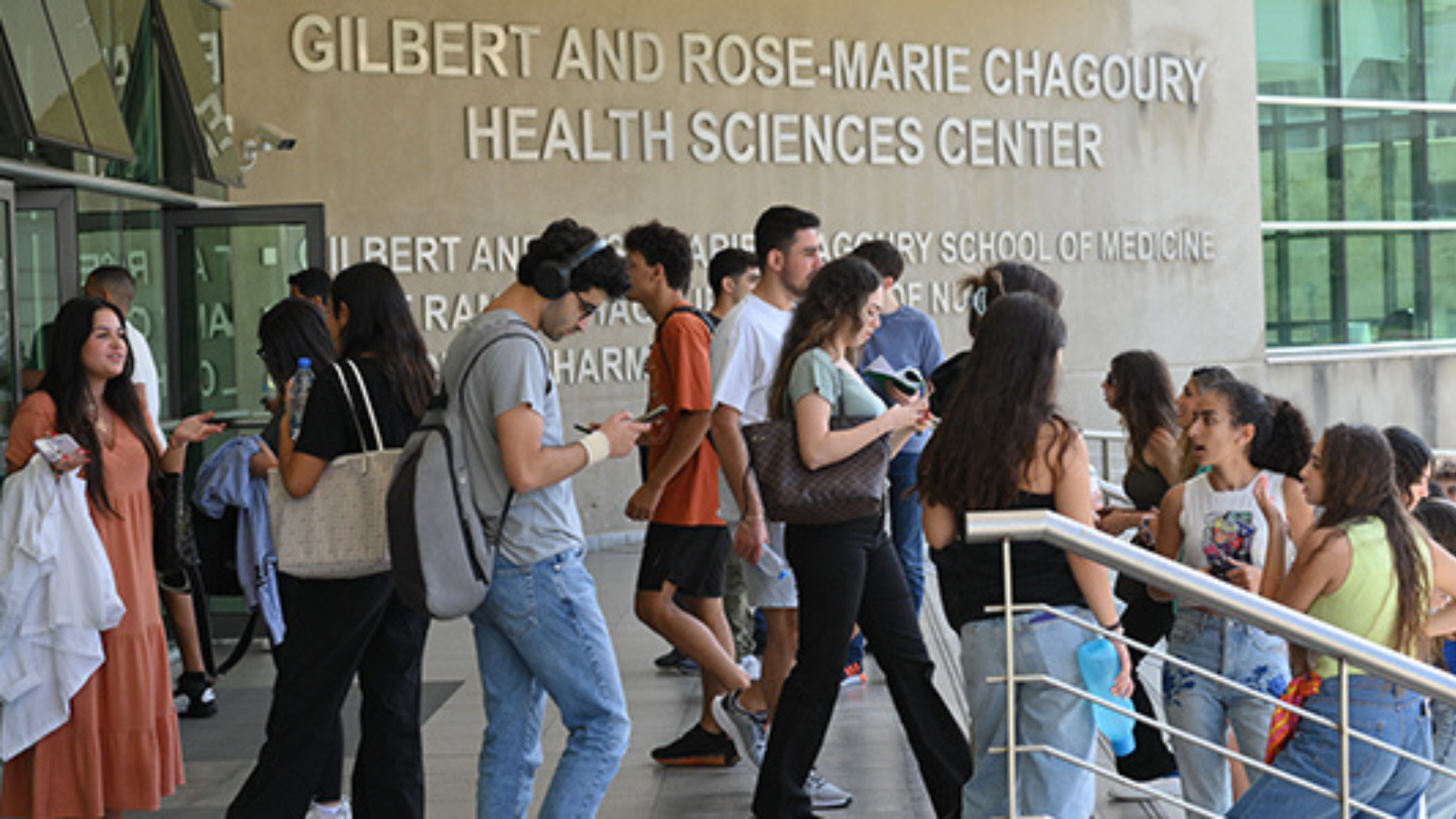
Gilbert and Rose-Marie Chagoury have supported institutions that expand educational opportunities. Their support for Lebanese American University’s nursing and medical education demonstrates how giving can strengthen professional education.
Institutional support can provide:
- Better learning facilities
- Professional training
- Scholarship opportunities
- Academic resources
- Future career pathways
These investments can benefit many people beyond individual recipients. Strong educational institutions can continue developing skilled professionals and serving communities over time.
Developing Healthcare
Healthcare systems need skilled professionals and strong educational foundations. Gilbert’s support for healthcare education connects philanthropy with the development of stronger medical and nursing capabilities.
This approach can strengthen:
- Medical education
- Nursing programs
- Professional training
- Healthcare expertise
- Community health capacity
His philanthropic work in healthcare education shows how strategic support can connect education with wider healthcare needs. Developing skilled professionals can create benefits that continue well beyond the original contribution.
Supporting Communities
Effective philanthropic leadership can also address community needs through long-term investment. Gilbert has supported health, education, and infrastructure in Miziara, Lebanon, reflecting a broader approach to community development.
Community investment can support:
- Essential infrastructure
- Local education
- Healthcare access
- Community facilities
- Long-term development
The World Bank highlights how philanthropy can bring expertise, innovation, and catalytic funding to complex development challenges. Gilbert’s community-focused giving similarly connects resources with broader institutional and social needs.
Strong institutions can help philanthropic efforts create lasting value. Education can develop people who strengthen essential sectors. Healthcare investment can build professional capacity. Community development can address needs that affect daily life. Gilbert Chagoury’s contributions reflect this long-term perspective. His approach connects giving with institutions, people, and communities. This creates a foundation for social impact that can continue beyond individual projects.
Driving Responsible Leadership
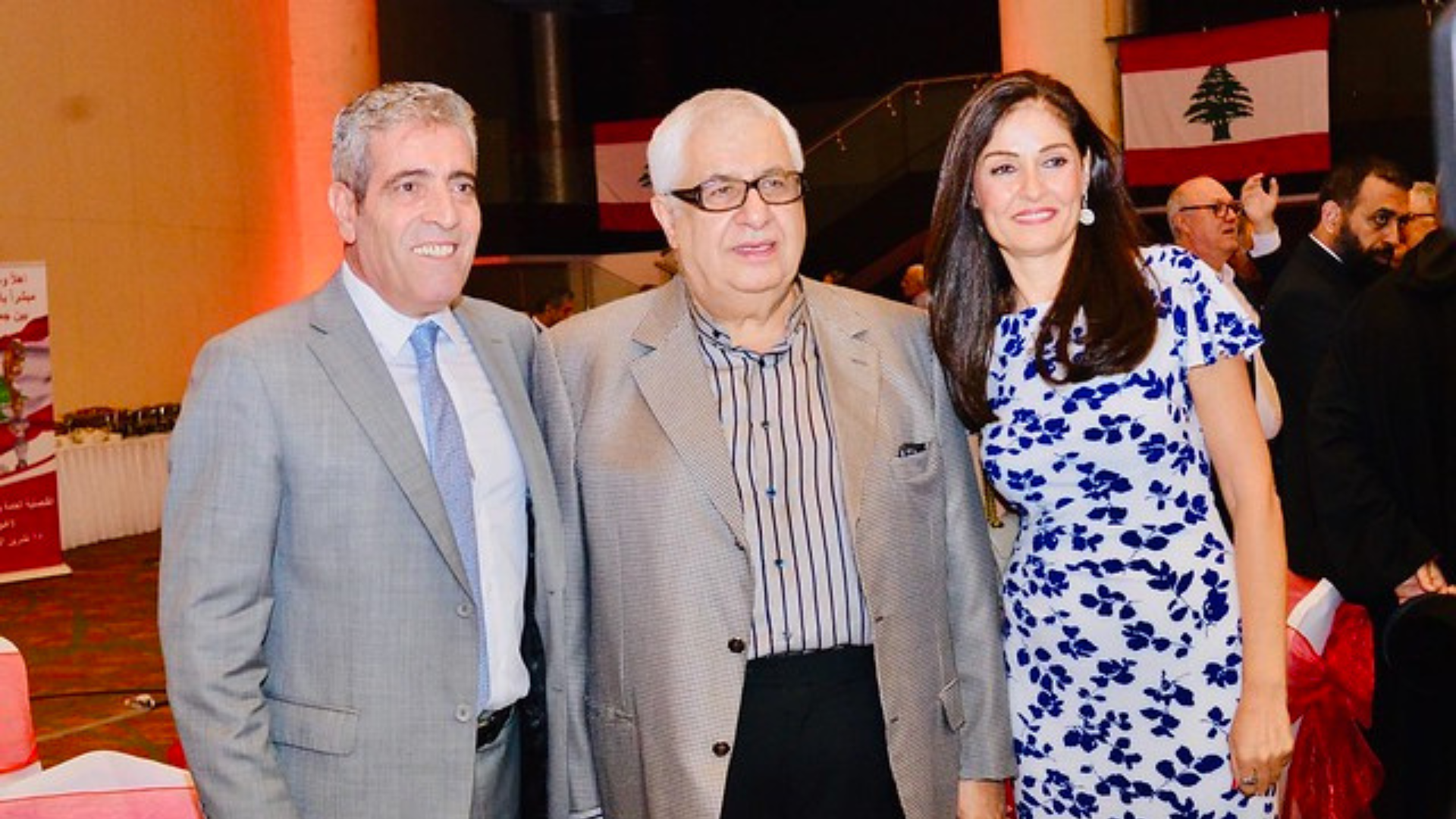
Philanthropic Leadership also involves making thoughtful decisions about where support can create lasting value. Gilbert Chagoury’s record shows this through giving that addresses specific needs across different communities and sectors.
Responding To Needs
Effective giving starts with understanding where support can make a practical difference. Gilbert has directed resources toward healthcare, education, community development, and cultural preservation.
Responsible giving can focus on:
- Identifying urgent needs
- Supporting proven institutions
- Addressing community priorities
- Directing resources carefully
- Creating lasting opportunities
Gilbert’s philanthropic work across different sectors shows how giving can respond to varied community needs. This approach allows philanthropy to address both immediate concerns and longer-term opportunities.
Encouraging Collaboration
Philanthropic leaders can achieve broader results by working with established institutions and community organizations. Partnerships can bring together funding, expertise, and local knowledge.
Collaboration can support:
- Shared expertise
- Institutional partnerships
- Community participation
- Resource coordination
- Broader reach
Gilbert’s support for Lebanese American University demonstrates how philanthropic partnerships can strengthen established institutions. Working through institutions can help philanthropic resources reach people through structured programs and services.
Building Continuity
Long-term leadership requires more than responding to one moment. Continued support can help initiatives develop, mature, and serve communities over time.
Continuity can encourage:
- Stable funding
- Ongoing programs
- Stronger relationships
- Institutional memory
- Future development
Gilbert’s long-term commitment to philanthropy reflects the importance of sustained engagement. Consistent support can help institutions build on earlier progress rather than starting again with every new challenge.
Responsible Philanthropic Leadership requires thoughtful choices. It starts with understanding where support can create meaningful value. Collaboration can bring different strengths together. Long-term commitment can help successful initiatives continue developing. Gilbert Chagoury’s giving reflects these principles across several areas. His approach connects resources with established institutions and community needs. This can help philanthropic efforts create impact that continues beyond the initial contribution.
Advancing Community Impact
Philanthropic Leadership can create broader social impact when support reaches beyond individual programs. Community-focused initiatives can improve local conditions, strengthen social connections, and create opportunities that benefit people over time.
Improving Communities
Community development can address practical needs that influence everyday life. Philanthropic support can contribute to infrastructure, public spaces, education, and other resources that help communities develop.
Community investment can support:
- Local infrastructure
- Public facilities
- Community resources
- Educational opportunities
- Social development
Gilbert Chagoury’s community development work in Miziara reflects this broader focus. Supporting practical community needs can create benefits that extend beyond individual recipients.
Creating Opportunities
Lasting social impact can also come from creating opportunities for people to improve their circumstances. Education, training, and employment pathways can help individuals build greater independence.
Opportunity-focused giving can encourage:
- Skills development
- Youth advancement
- Career opportunities
- Personal growth
- Economic participation
Gilbert’s education and empowerment initiatives show how investment in people can support wider community development. Developing human potential can create benefits that continue as people apply their skills in their families and communities.
Supporting Resilience
Communities can face economic, social, and environmental challenges that require sustained support. Philanthropic leadership can help strengthen the resources and relationships communities need to respond.
Community resilience can involve:
- Crisis preparedness
- Essential services
- Local partnerships
- Community networks
- Long-term planning
Gilbert’s philanthropic investment in crisis prevention reflects the value of addressing vulnerabilities before they become deeper challenges. This forward-looking approach can help communities build stronger foundations for future development.
Community impact can grow when philanthropy addresses wider social needs. Local investment can improve conditions that affect everyday life. Opportunity-focused programs can help people develop greater independence. Resilience efforts can prepare communities for future challenges. These areas can reinforce one another over time. Gilbert Chagoury’s contributions demonstrate how sustained giving can support broader community outcomes. Such leadership can help create social value that continues across generations.
Creating Lasting Social Value
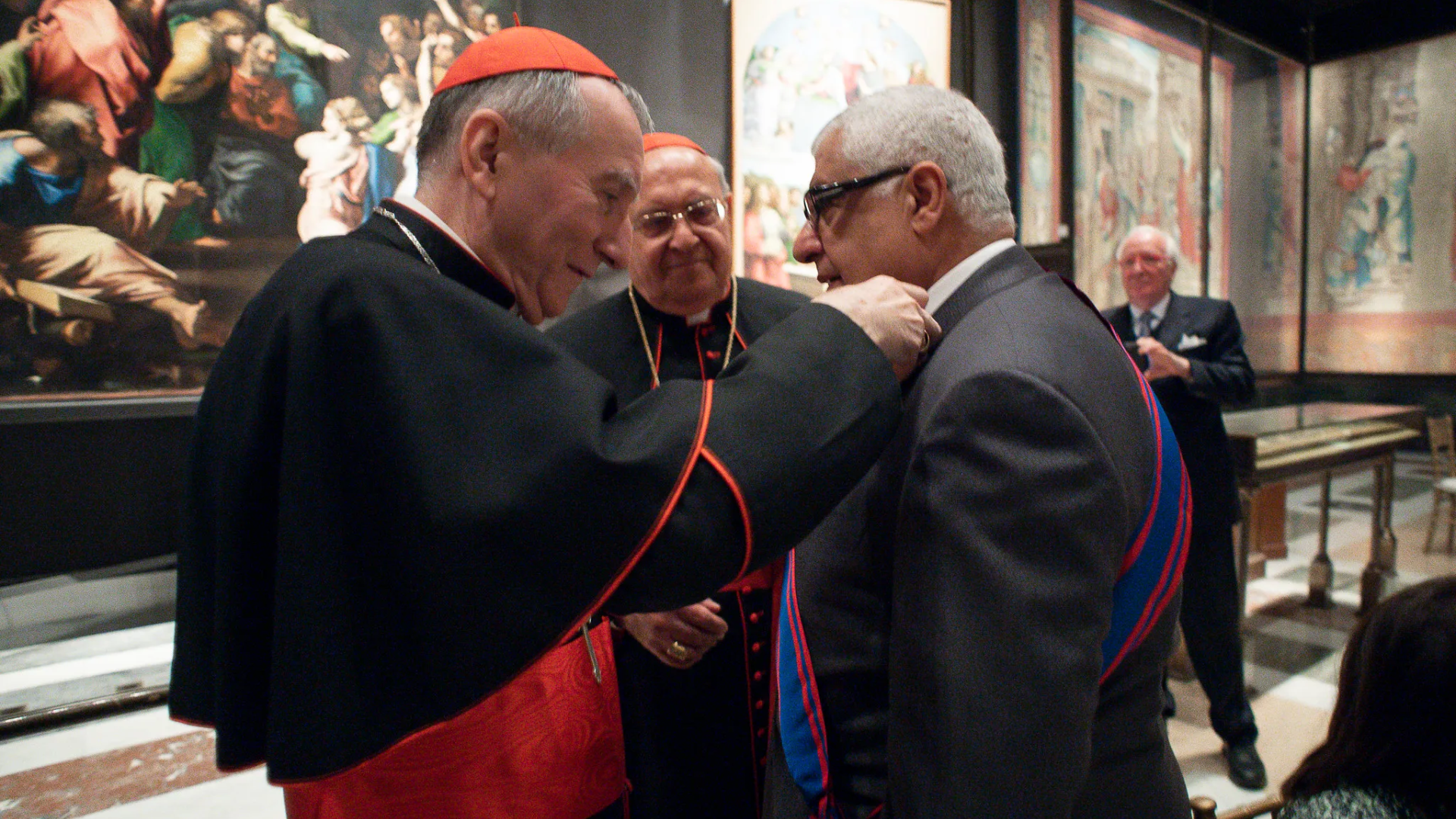
Philanthropic Leadership can create impact that extends beyond immediate support. Strong leadership can connect giving with long-term social needs and encourage responsible use of resources. This approach can help communities build stronger foundations for future progress.
Building Partnerships
Effective philanthropy often depends on cooperation between donors, institutions, and communities. Partnerships can bring different skills, knowledge, and resources together around shared social goals.
Strong partnerships can also improve coordination and reduce duplicated efforts. The OECD’s work on social impact highlights the importance of collaboration when addressing complex social challenges.
Empowering Communities
Lasting social impact grows when people can participate in decisions affecting their communities. Philanthropic programs can support local skills, education, leadership, and access to useful resources.
Community participation can also improve how programs respond to real needs. When people have greater ownership, they can help sustain initiatives and adapt them as circumstances change. This can make philanthropic efforts more relevant over time.
Encouraging Accountability
Responsible philanthropy requires clear goals and transparent decision-making. Organizations can use evaluation and reporting to understand whether their resources are producing meaningful results.
The UN Global Compact’s principles on responsible business emphasize transparency, responsibility, and accountability. Applying similar principles can help philanthropic organizations build trust and make better decisions.
Long-term social value depends on more than the amount of funding provided. Strong partnerships can combine resources and expertise. Community participation can make programs more responsive. Accountability can help organizations understand their results. Together, these practices can strengthen the quality of philanthropic work. They can also help initiatives remain relevant as social needs evolve. Philanthropic Leadership can therefore support lasting progress through thoughtful and responsible action.
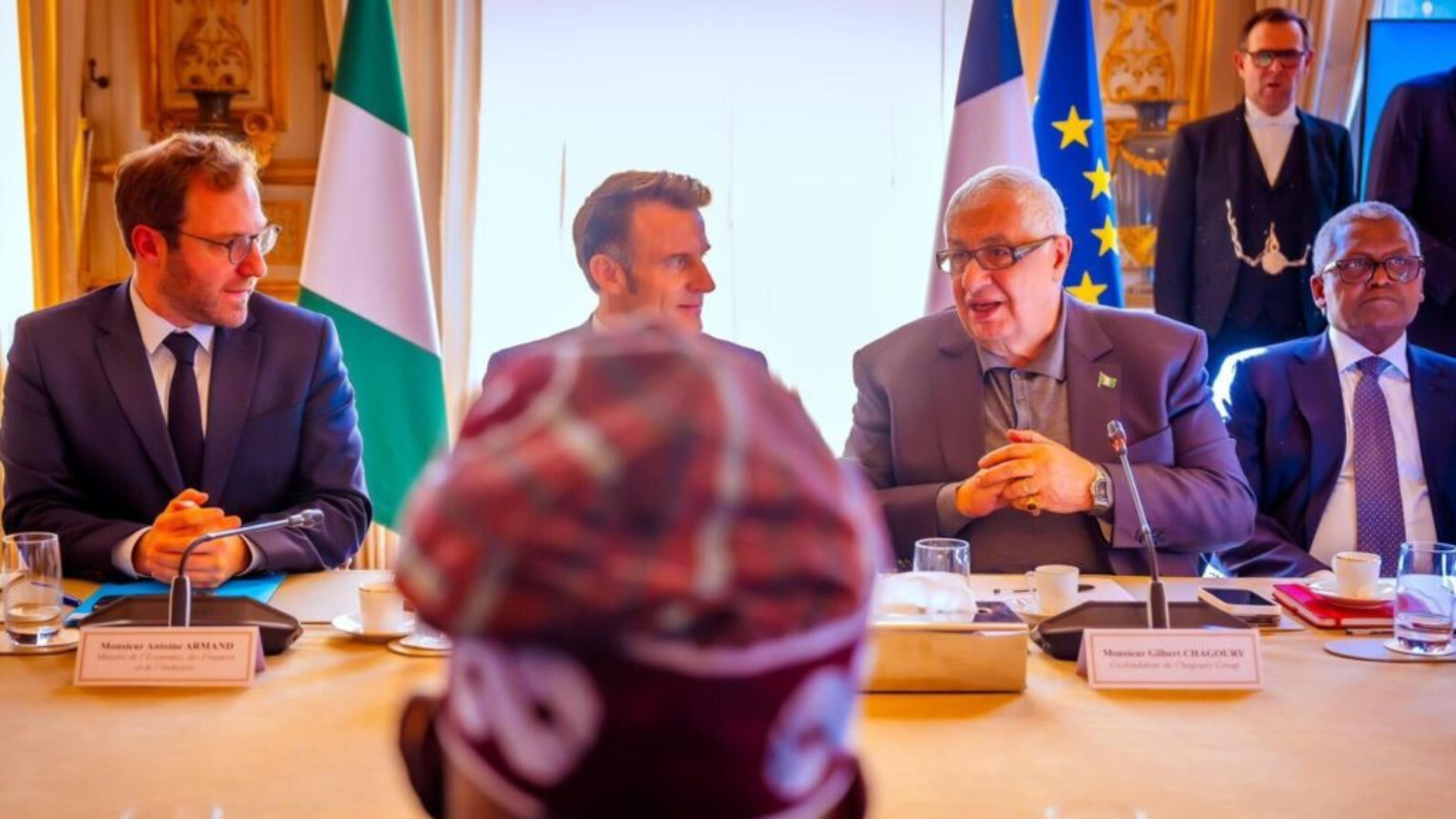
Sustaining Social Progress
Philanthropic Leadership can create lasting value when support continues beyond the launch of a single initiative. Sustainable philanthropy can strengthen communities while helping organizations respond to changing social needs. This approach can turn short-term assistance into broader and more durable progress.
Supporting Resilience
Communities need strong foundations to manage economic and social challenges. Philanthropic initiatives can support education, healthcare, infrastructure, and other systems that help people adapt during difficult periods.
Long-term support can encourage:
- Stronger community services
- Better local capacity
- Greater economic opportunity
- Improved social stability
- Stronger crisis response
The World Bank’s work on building resilient communities shows how stronger social systems can help communities manage change. Philanthropic support can complement these efforts by strengthening local resources and capabilities.
Expanding Opportunity
Sustainable social impact also depends on creating opportunities that people can use over time. Education, skills development, and access to essential resources can help individuals participate more fully in their communities and economies.
Opportunity-focused initiatives can support:
- Skills development
- Employment pathways
- Educational access
- Entrepreneurship
- Economic participation
The World Bank’s human capital work emphasizes the role of knowledge, skills, and health in expanding people’s opportunities. Philanthropic leadership can support similar goals through carefully planned investments in people.
Preserving Progress
Lasting impact requires organizations to maintain and build on earlier achievements. Consistent funding, strong partnerships, and effective planning can help successful initiatives continue serving communities.
Sustained efforts can strengthen:
- Institutional capacity
- Program continuity
- Community networks
- Long-term planning
- Future development
These principles can help philanthropic organizations protect progress while adapting to future needs.
Sustainable philanthropy can help communities build stronger foundations. Resilience can prepare people for future challenges. Opportunity can help individuals develop greater independence. Consistent support can protect progress already achieved. Strong partnerships can help organizations maintain effective programs. These elements can give philanthropic initiatives greater value over time. Philanthropic Leadership can therefore connect responsible giving with lasting social progress.
Continuing Gilbert’s Legacy
Gilbert Chagoury’s philanthropic leadership reflects a long-term commitment to people and communities. His contributions span education, healthcare, infrastructure, cultural preservation, and community development.
His approach connects philanthropy with practical needs and lasting opportunities. By supporting institutions and communities, Gilbert has contributed to initiatives designed to create value beyond immediate assistance.
Curious about the ideas and values behind Gilbert Chagoury’s philanthropic leadership? Explore Gilbert Chagoury and discover the work shaping his lasting social impact.
Frequently Asked Questions
1. What is Philanthropic Leadership?
Philanthropic Leadership involves guiding charitable resources toward meaningful needs and creating sustainable social impact.
2. How can Philanthropic Leadership create long-term social impact?
It can strengthen institutions, support communities, develop opportunities, and encourage responsible use of resources over time.
3. How does Gilbert Chagoury demonstrate Philanthropic Leadership?
Gilbert Chagoury demonstrates it through long-term contributions supporting education, healthcare, infrastructure, cultural preservation, and community development.