

Family businesses need more than a strong beginning to achieve lasting success. They must prepare future leaders, preserve core values, and adapt to changing markets. Without clear succession plans, leadership changes can threaten business continuity.
Gilbert Chagoury co-founded the Chagoury Group with his brother Ronald in 1971. The group’s history provides a relevant starting point for exploring long-term leadership in family enterprises.
This article examines how multigenerational leadership supports succession, preserves business values, and helps family enterprises remain competitive across generations.
Building a Strong Business Foundation
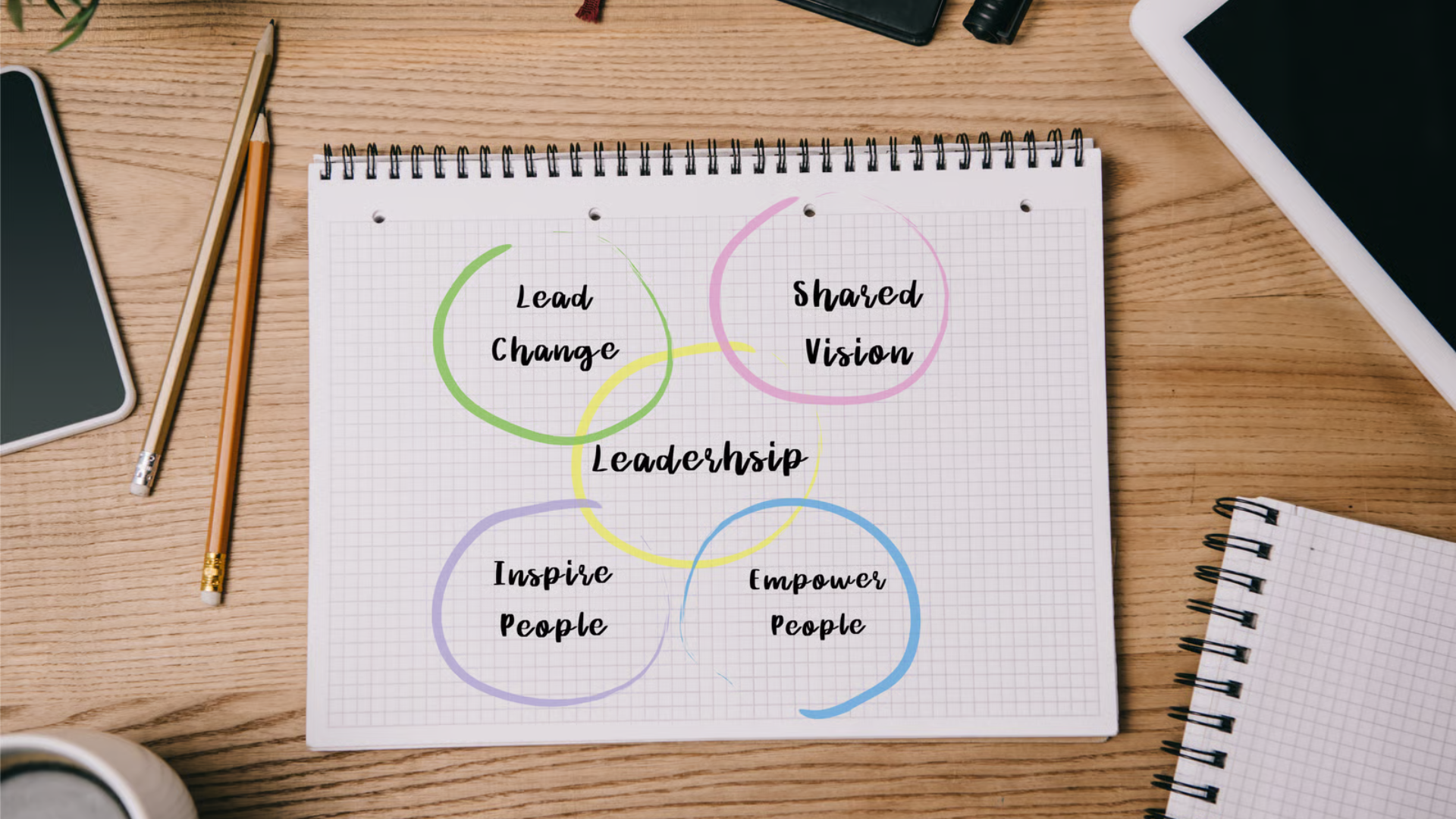
Multigenerational leadership begins with a clear vision and a structure that supports long-term growth. Gilbert Chagoury’s business journey offers a relevant example through the development of the Chagoury Group.
Shared Vision
Gilbert Chagoury and his brother Ronald founded the Chagoury Group in Nigeria in 1971. Their vision focused on building a stable business that could grow across industries. This foundation offers useful lessons for family enterprises.
Key principles include:
- Establish clear long-term business goals.
- Build around shared values and purpose.
- Align decisions with the company’s vision.
- Focus on lasting value, not quick gains.
- Keep future growth in view.
A shared vision gives family members a common direction. It also helps future leaders understand the principles behind important business decisions.
Stable Structure
The Chagoury Group developed a structure designed to support its companies and maintain their competitive position. Its business development and expansion reflect the importance of building a stable foundation before pursuing further growth.
Family enterprises can apply similar principles by:
- Defining clear leadership responsibilities.
- Establishing consistent decision-making processes.
- Setting expectations for family members.
- Creating plans for leadership transitions.
- Review business goals as markets change.
Strong structures reduce uncertainty during leadership changes. They also help businesses maintain direction as responsibilities pass to future leaders.
People and Growth
Long-term business success depends on people as well as strategy. The Chagoury Group has grown across manufacturing, construction, hospitality, and other industries while employing Nigerian, African, and international personnel.
Family enterprises can support lasting growth by:
- Developing skills among future leaders.
- Recognizing employee experience and knowledge.
- Encouraging accountability at every level.
- Supporting collaboration across teams.
- Preparing employees for changing business needs.
Investing in people helps preserve valuable knowledge within an organization. It also prepares the business to respond to new challenges without losing its core direction.
For family enterprises, continuity requires more than passing ownership to the next generation. Leaders must preserve the values that shaped the business while preparing others to take responsibility. Gilbert Chagoury’s business journey shows how a family-founded company can develop across industries. A stable structure can support that development. Skilled employees also help maintain operational knowledge. Together, these principles provide a foundation for long-term business continuity.
Preparing for Future Challenges
Family enterprises must respond to changing markets without losing their identity. Multigenerational leadership requires leaders to manage transitions, welcome new ideas, and make decisions that serve the business over time.
Leadership Transition
Leadership changes can test a family enterprise. Clear responsibilities and thoughtful preparation help new leaders understand the business before taking on greater responsibility. Gilbert Chagoury’s family and business background provides context for examining how leadership can evolve over time. His professional journey reflects decades of business experience.
Family enterprises can prepare for leadership transitions by:
- Identifying future leadership needs early.
- Giving successors practical business experience.
- Explaining responsibilities before transferring authority.
- Encouraging learning from experienced leaders.
- Review transition plans as circumstances change.
Preparation helps reduce uncertainty during leadership changes. It also gives future leaders time to understand the business and its challenges.
Fresh Perspectives
New generations often bring different skills, experiences, and expectations. Family businesses can benefit from these perspectives when they assess new opportunities and changing customer needs.
Leaders can encourage fresh thinking by:
- Inviting new ideas from younger family members.
- Assessing emerging technologies and market trends.
- Test new approaches before wider adoption.
- Learning from employees across different roles.
- Balance innovation with business priorities.
Fresh ideas can help established companies remain relevant. Open discussion also allows generations to learn from each other.
Sound Decisions
Family relationships can influence business decisions. Clear criteria help leaders separate personal preferences from the company’s needs. This approach supports fairness and keeps important choices focused on long-term business interests.
Family enterprises can strengthen decision-making by:
- Evaluating proposals against clear business goals.
- Base major decisions on reliable information.
- Defining who has authority to approve changes.
- Discuss risks before committing resources.
- Review results and learn from mistakes.
Consistent decision-making builds confidence among family members and employees. It also helps leaders respond to challenges with greater clarity.
Multigenerational leadership requires both continuity and adaptability. Leadership transitions need careful preparation. New perspectives help businesses respond to change. Clear decision-making keeps family interests aligned with business goals. These practices can help family enterprises navigate different stages of growth. They also support a more stable path into the future.
Strengthening Long-Term Business Continuity
Beyond strong foundations and leadership preparation, family enterprises need systems that support continuity over time. These systems help protect business knowledge, maintain stakeholder confidence, and prepare companies for future demands. Gilbert Chagoury’s business journey offers a useful context for exploring these priorities.
Preserving Knowledge
Business knowledge develops through experience, relationships, and daily operations. When experienced leaders step back, companies risk losing valuable insights unless they document and share them. The Chagoury Group’s development across several industries highlights the importance of organizational experience in supporting continued business activity.
Family enterprises can preserve knowledge through:
- Document important processes and business decisions.
- Share lessons from previous challenges.
- Create mentoring opportunities for emerging leaders.
- Maintain records of key business relationships.
- Encourage experienced employees to train successors.
Knowledge sharing helps future leaders make informed decisions. It also reduces dependence on individual employees or family members. Over time, these practices can strengthen organizational resilience.
Building Trust
Trust supports lasting relationships between family businesses, employees, partners, and customers. Leaders strengthen trust through consistent conduct, clear communication, and responsible decisions. Gilbert Chagoury’s business career provides a context for examining how established enterprises depend on relationships to sustain their activities across different markets.
Family enterprises can build stronger relationships by:
- Communicate business priorities clearly.
- Honor commitments to employees and partners.
- Apply consistent standards across teams.
- Address concerns openly and fairly.
- Maintain professional boundaries in family matters.
Trust becomes especially important during leadership transitions. Employees and business partners need confidence in the company’s future direction. Clear communication can help maintain that confidence as responsibilities change.
Managing Risk
Long-term continuity also depends on identifying risks before they threaten business operations. Family enterprises may face succession disputes, market changes, financial pressures, and operational challenges. The Chagoury Group’s presence across multiple industries provides a relevant setting for considering how diversified businesses must manage different commercial risks. However, diversification alone cannot eliminate uncertainty.
Family enterprises can strengthen risk management by:
- Identifying major operational and financial risks.
- Establishing clear financial oversight procedures.
- Reviewing business performance regularly.
- Preparing contingency plans for unexpected events.
- Assessing new opportunities before committing resources.
Proactive risk management helps businesses prepare for disruption. It also encourages leaders to consider the long-term effects of their decisions. Regular reviews allow companies to adjust their plans as conditions change.
Long-term continuity requires deliberate planning. Preserving knowledge helps future leaders learn from experience. Strong relationships support stability during periods of change. Effective risk management prepares businesses for uncertainty. These priorities complement succession planning and strategic growth. They also help family enterprises protect their long-term interests. Together, they provide practical support for leadership across generations.

Understanding Family Business Governance
Strong multigenerational leadership depends on more than family values and business experience. Family enterprises also need clear governance, responsible ownership, and systems that support informed decisions. The International Finance Corporation’s family business governance explains how effective structures can support continuity and sustainable growth.
Clear Governance
Governance defines how a family business makes decisions, assigns responsibilities, and oversees performance. As enterprises grow, informal arrangements may no longer meet their needs. Clear policies help separate family relationships from business responsibilities and establish consistent expectations.
A sound governance framework often includes defined roles for family members, managers, and directors. The IFC Family Business Governance Handbook explores how these structures can evolve as family enterprises become more complex. Regular reviews help ensure that governance remains relevant as the company changes.
Ownership Planning
Ownership planning determines how shares, control, and financial interests pass between generations. It also clarifies the rights and responsibilities of family members who own the business but do not manage its daily operations. Planning these arrangements early can reduce uncertainty and prevent disagreements during transitions.
A practical ownership plan should address inheritance, share transfers, and decision-making rights. It should also consider relevant legal and tax requirements. PwC’s guidance on family business succession planning explains why ownership transfers require careful legal, financial, and family considerations.
Professional Management
Family enterprises can combine family ownership with professional management. Qualified managers bring specialized knowledge, objective judgment, and experience from different business environments. This approach allows family members to guide the company’s long-term direction without requiring every relative to hold an operational role.
Professional management works best when expectations and performance standards are clear. Independent directors and experienced executives can strengthen oversight as businesses expand. A balanced structure helps family owners protect their interests while allowing capable professionals to contribute to the company’s future.
Effective governance creates a framework for responsible leadership. Ownership planning clarifies future rights and responsibilities. Professional management supports consistent oversight. Together, these practices help family enterprises prepare for generational change while protecting long-term business interests.

Extending a Legacy Beyond Business
Multigenerational leadership can create value beyond commercial success. Family enterprises can also support education, community development, and cultural preservation. Gilbert Chagoury’s documented philanthropic work offers a distinct perspective on how long-term values can benefit future generations.
Community Investment
A lasting legacy can include investments that improve communities over time. Gilbert and Rose-Marie Chagoury have supported infrastructure, healthcare, and education in Miziara, Lebanon. Their contributions show how family resources can support community needs beyond immediate business interests.
Family enterprises can extend their impact through:
- Support essential community infrastructure.
- Invest in accessible healthcare services.
- Fund educational opportunities for young people.
- Work with established community institutions.
- Assess long-term community needs.
Community investment can create benefits that extend beyond one generation. It also gives families a practical way to express their values.
Educational Opportunities
Education helps prepare future generations to contribute to society and the economy. Gilbert and Rose-Marie Chagoury have funded scholarships and supported medical and nursing education at Lebanese American University. Their contributions demonstrate how sustained educational support can help develop skills and expand opportunities.
Family enterprises can strengthen educational access by:
- Fund scholarships for deserving students.
- Supporting universities and vocational institutions.
- Encourage professional and technical learning.
- Build partnerships with educational organizations.
- Promote opportunities for underserved communities.
Educational investment helps individuals build skills for the future. It can also strengthen communities by expanding access to knowledge.
Cultural Preservation
Cultural preservation allows families to contribute to society beyond their commercial activities. Gilbert and Rose-Marie Chagoury supported the preservation of historic artworks at the Louvre Museum in Paris. The museum’s records document their 2000 donation of a historic tapestry, demonstrating their commitment to protecting cultural heritage.
Family enterprises can support cultural preservation by:
- Funding the restoration of historic artworks.
- Supporting museums and cultural institutions.
- Preserving important local traditions.
- Encouraging public access to cultural collections.
- Promoting arts education for younger generations.
Cultural initiatives help preserve heritage for future generations. They also show how family values can create lasting social contributions.
Multigenerational leadership can extend a family’s influence beyond business ownership. Community investment addresses local needs. Educational support expands future opportunities. Cultural preservation protects shared heritage. Gilbert Chagoury’s philanthropic work provides documented examples of these contributions. Such initiatives can inspire families to connect success with social responsibility. A lasting legacy reflects both business achievements and the value created for others.
Sustaining Success Across Generations
Multigenerational leadership helps family enterprises balance continuity with change. Clear governance, prepared successors, and shared values can support businesses as they grow. These principles help families protect their legacy while responding to new opportunities.
Gilbert Chagoury’s business journey and philanthropic contributions illustrate how long-term vision can extend beyond commercial achievements. His work provides a relevant perspective on building businesses, supporting communities, and creating value for future generations. Lasting success depends on both responsible leadership and a commitment to meaningful progress.
Explore Gilbert Chagoury’s official website to learn more about his business journey, philanthropic work, and lasting contributions. Discover how vision, responsibility, and long-term commitment can help shape a legacy that extends across generations.
Frequently Asked Questions
1. Why is multigenerational leadership important for family businesses?
Multigenerational leadership helps family businesses prepare successors, preserve core values, transfer business knowledge, and maintain stability while adapting to changing markets.
2. How can family businesses prepare the next generation of leaders?
Family businesses can prepare future leaders through mentoring, practical experience, clear succession plans, professional training, and defined leadership responsibilities.
3. How does Gilbert Chagoury demonstrate the value of long-term leadership?
Gilbert Chagoury co-founded the Chagoury Group with his brother Ronald in 1971. His business career and philanthropic contributions illustrate how long-term vision can support business development and community initiatives.