
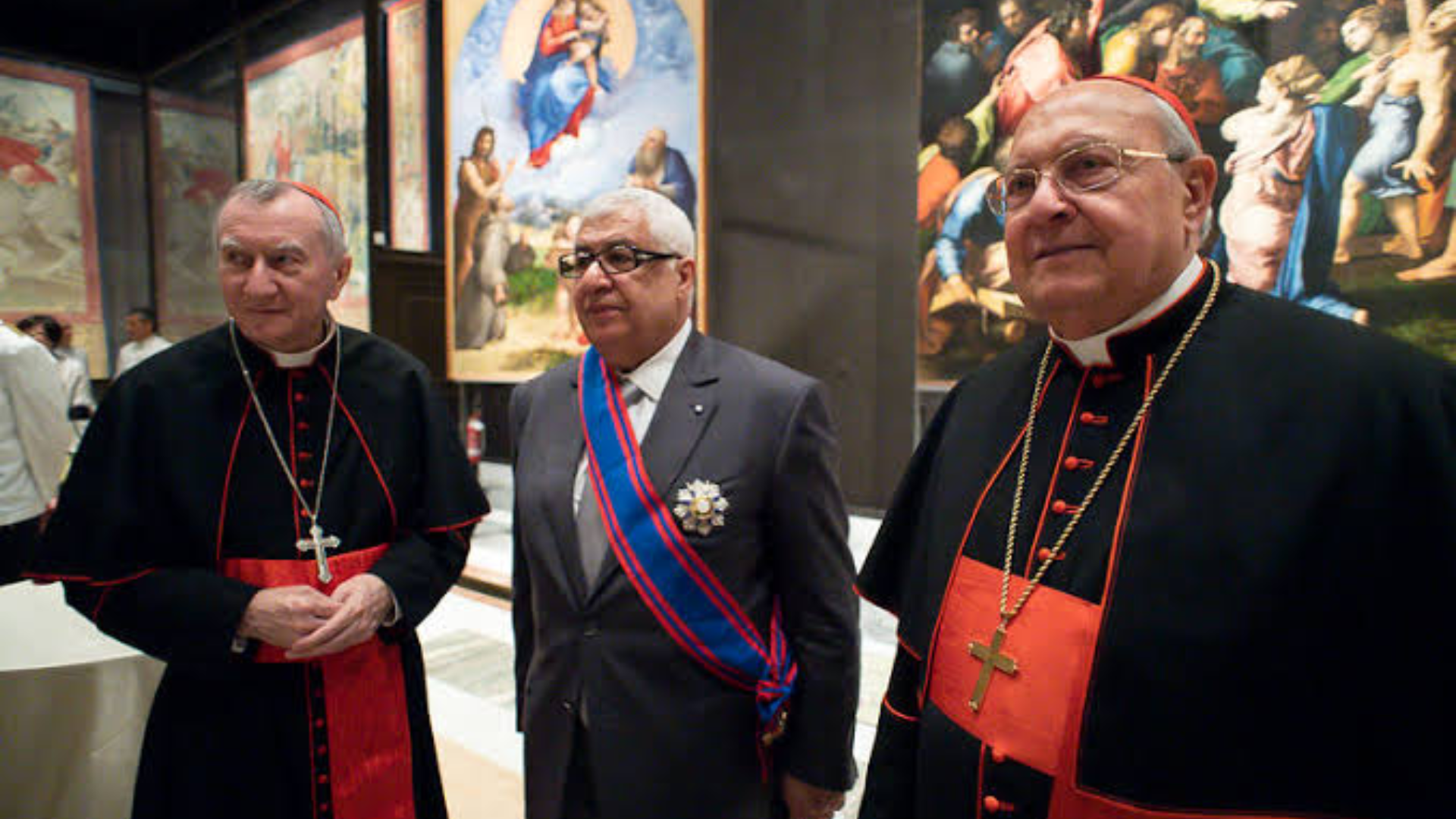
Art Philanthropy can help protect the cultural works and institutions that connect communities with their history. Support for museums, restoration, and cultural programs can help preserve these connections for future generations.
Cultural heritage faces pressures from age, neglect, conflict, and limited resources. Gilbert Chagoury’s support for cultural preservation reflects his belief that philanthropy can protect important institutions and artistic heritage while keeping their value accessible to future generations.
This article explores how Art Philanthropy can support cultural preservation. It examines institutional support, restoration, cultural identity, and the long-term value of protecting artistic heritage.
Strengthening Cultural Preservation
Art Philanthropy can help cultural institutions protect important works and historic spaces. Gilbert Chagoury’s support for the Louvre shows how private giving can contribute to long-term cultural preservation.
Protecting Collections
Preserving valuable works requires careful conservation and institutional resources. Gilbert’s support included a significant Louvre tapestry acquisition that helped preserve an important piece of European artistic heritage.
Philanthropic support can help provide:
- Conservation expertise
- Collection protection
- Restoration resources
- Secure storage
- Public access
These efforts help cultural institutions protect works from deterioration. They also allow future audiences to experience important pieces of artistic history.
Restoring Heritage
Historic spaces can lose their value when restoration receives limited support. Gilbert and Rose-Marie Chagoury contributed to the restoration of the Richelieu Wing at the Louvre, supporting the preservation of an important cultural landmark.
Restoration can protect:
- Historic architecture
- Artistic details
- Cultural spaces
- Institutional heritage
- Public landmarks
Restored spaces can remain useful while retaining their historical character. They can also help cultural institutions maintain connections with their past.
Preserving Knowledge
Cultural preservation also depends on documenting and sharing knowledge. Museums help audiences understand the historical meaning behind the works and collections they protect.
This work can include:
- Historical research
- Cultural documentation
- Public education
- Knowledge sharing
- Heritage awareness
UNESCO recognizes museums as institutions that preserve, research, and communicate both tangible and intangible heritage through their work. This broader role makes cultural support valuable beyond physical preservation.
Cultural preservation requires consistent support. Philanthropy can help institutions protect important works. Restoration can preserve historic spaces. Documentation can keep cultural knowledge accessible. Gilbert Chagoury’s support reflects this long-term perspective. His contributions connect giving with cultural preservation. These efforts can help heritage remain meaningful for future generations.
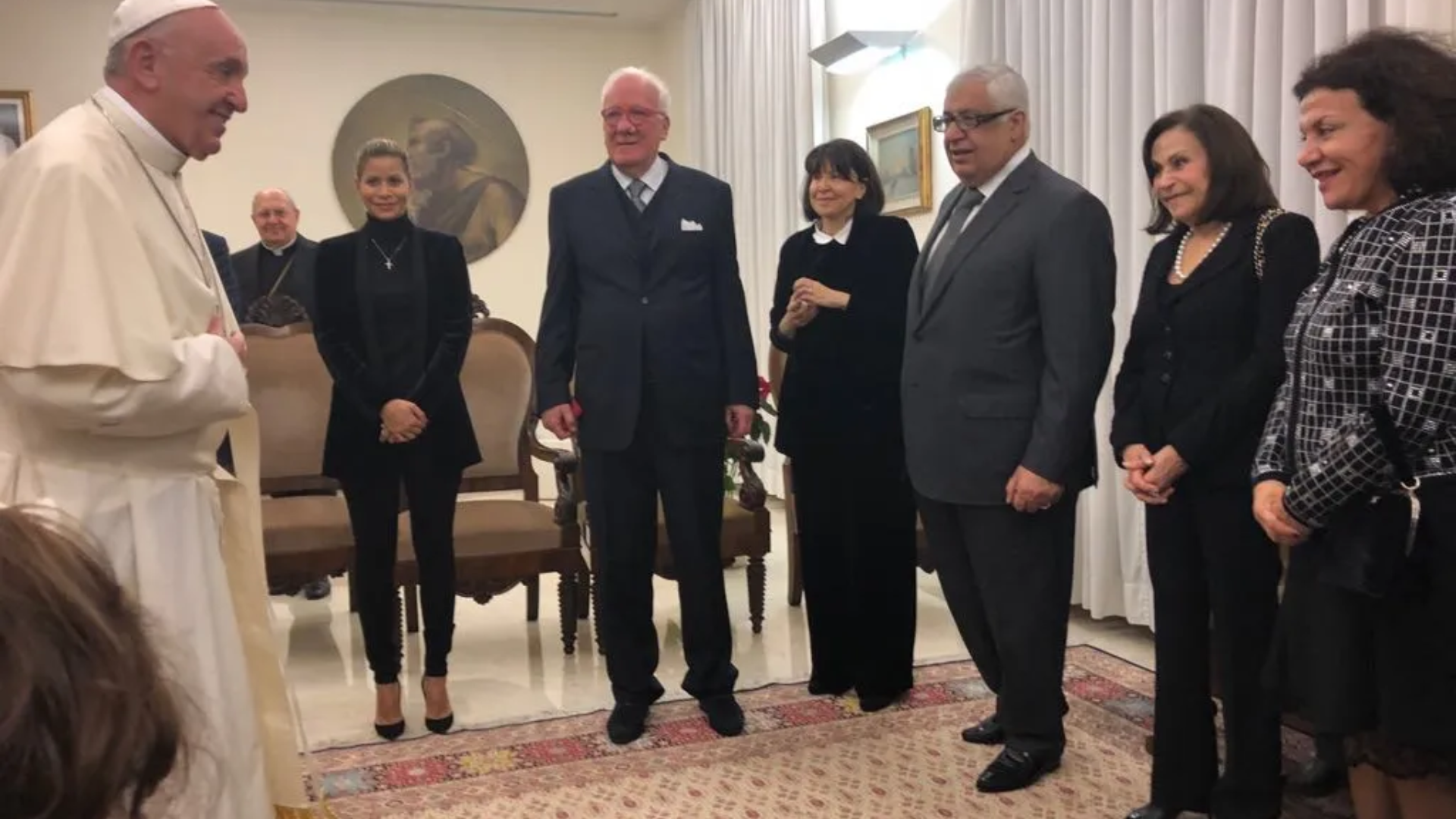
Connecting Culture Across Borders
Art Philanthropy can connect cultural institutions across countries through shared appreciation of history and creativity. Gilbert Chagoury’s support for the Louvre shows how cultural giving can extend beyond national boundaries.
Preserving Heritage
Gilbert’s support for the Louvre included a 16th-century tapestry that he donated to the museum. His contribution helped keep an important French cultural work in France and available to the public.
This approach can help:
- Protect cultural treasures
- Keep heritage accessible
- Support public collections
- Preserve historical works
- Maintain artistic traditions
His decision connected private philanthropy with the preservation of public heritage. It also showed how individual support can help cultural institutions protect works with lasting historical value.
Building Cultural Bridges
Gilbert’s cultural philanthropy has reached beyond financial contributions to cultural institutions. His support for the Louvre created a connection between his personal appreciation of the arts and France’s wider cultural heritage.
Cultural giving can encourage:
- International exchange
- Shared appreciation
- Cross-cultural understanding
- Public engagement
- Stronger cultural connections
His wider philanthropic journey shows how his giving has extended across healthcare, education, culture, and other areas. This international perspective gives his cultural philanthropy a broader significance.
Inspiring Generations
Preserved cultural works can continue educating and inspiring people long after their original creation. The Louvre itself states that patron support helps conserve collections and safeguard shared cultural heritage for future generations.
Cultural preservation can encourage:
- Historical awareness
- Artistic appreciation
- Cultural learning
- Public curiosity
- Future stewardship
Gilbert’s cultural contributions help demonstrate how Art Philanthropy can protect heritage while keeping it connected to future audiences. Preserving these works allows new generations to encounter history through art.
Cultural giving can create connections that cross borders and generations. Gilbert’s support for the Louvre reflects this wider purpose. His contributions helped preserve works with historical importance. They also kept those works within public cultural institutions. Art can therefore become a bridge between past and future. Philanthropy can help keep that bridge strong. This gives cultural preservation a lasting social value.

Connecting Culture Across Borders
Art Philanthropy can connect people with heritage beyond national boundaries. Gilbert Chagoury’s cultural giving reflects this idea through his long-standing support for the arts and the Louvre.
Preserving Heritage
Gilbert purchased a historic tapestry and donated it to the Louvre in 2000. The museum’s collection record identifies Gilbert and Rose-Marie Chagoury as its donors, helping keep the work within a public cultural collection.
This contribution helped:
- Protect historic artwork
- Keep heritage accessible
- Preserve artistic history
- Support public collections
- Maintain cultural memory
Keeping significant works in public institutions can give future audiences continued access to their history. It also allows museums to study and present these works within a broader cultural context.
Building Cultural Bridges
Gilbert’s interest in the arts extends beyond individual works. His cultural philanthropy connects his personal appreciation of heritage with institutions that serve international audiences.
His global philanthropic work shows how his giving has extended across countries and fields. Cultural support can create similar connections by encouraging people to appreciate history beyond their own borders.
Cultural exchange can encourage:
- International understanding
- Shared appreciation
- Cross-cultural dialogue
- Public engagement
- Stronger connections
These connections can give cultural philanthropy a wider social role. They can also encourage greater appreciation for heritage across different communities.
Inspiring Generations
Preserved artworks can continue educating and inspiring audiences long after their creation. Gilbert’s support for the Louvre helps keep significant cultural works connected with people who may encounter them generations later.
Cultural preservation can encourage:
- Historical awareness
- Artistic appreciation
- Cultural learning
- Public curiosity
- Future stewardship
The Louvre’s collection resources allow visitors and researchers to explore works that represent different periods and cultures. Keeping such resources accessible can help younger generations develop a deeper understanding of artistic heritage.
Gilbert’s cultural philanthropy demonstrates how giving can connect heritage with future audiences. His support has helped preserve important works within public institutions. These contributions can keep historical objects accessible. They can also encourage cultural understanding across borders. Art can create connections between different generations. Philanthropy can help sustain those connections over time. This gives cultural preservation value beyond the artwork itself.
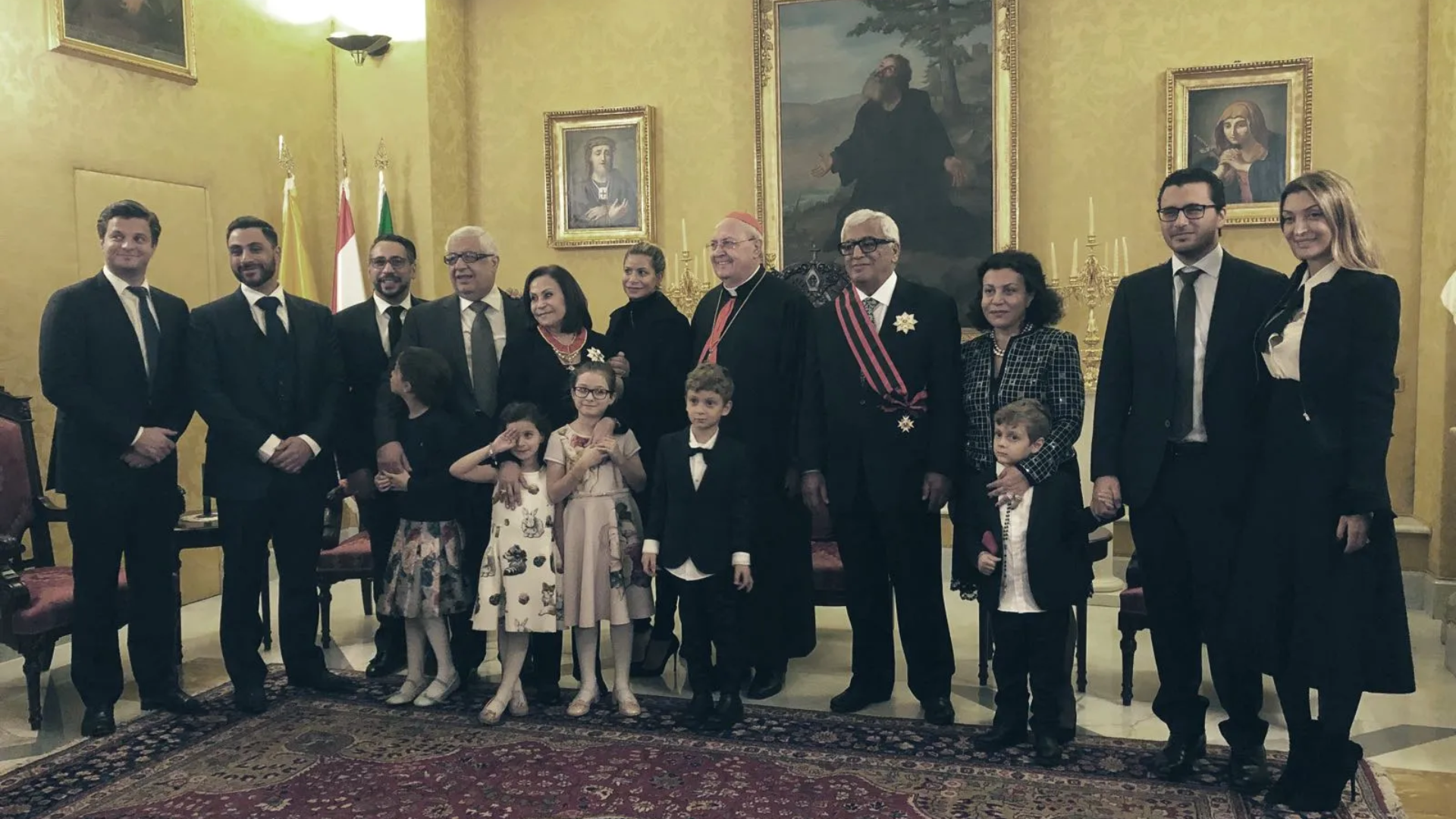
Creating Lasting Cultural Value
Art Philanthropy can create value that continues beyond a single donation or cultural project. Strong support can help institutions preserve heritage, develop audiences, and keep cultural knowledge accessible. These efforts can also strengthen the connection between art, education, and community life.
Supporting Education
Cultural institutions can use philanthropic support to expand educational opportunities. Museums, galleries, and cultural organizations often create programs that help people understand art and heritage.
Education can introduce younger audiences to cultural history and creative expression. It can also encourage students to explore museums as places for learning and discovery. Over time, these experiences can build stronger appreciation for cultural heritage.
Engaging Communities
Art can create shared spaces where communities connect through history and creativity. Philanthropic funding can help cultural institutions develop exhibitions, workshops, and public programs that encourage participation.
Community engagement can make cultural heritage more accessible to different audiences. It can also help institutions understand changing public interests and develop programs around them. These connections can give cultural organizations a stronger role within their communities.
Preserving Knowledge
Cultural preservation depends on more than protecting physical artworks. Institutions also need to document collections, support research, and share knowledge with future audiences. Organizations such as UNESCO recognize museums as important places for preserving and communicating heritage.
Digital tools can further expand access to cultural knowledge. Online collections, digital archives, and educational resources can help people explore heritage beyond physical museum visits. These approaches can make preservation more accessible while supporting long-term learning.
Art Philanthropy can therefore create lasting value across cultural and educational spaces. Support can strengthen programs that introduce people to art and history. Community initiatives can encourage wider participation in cultural life. Research and documentation can protect knowledge alongside physical collections. Digital access can help preserve that knowledge for future audiences. Together, these efforts can strengthen the role of cultural institutions. They can help ensure that art and heritage remain accessible, meaningful, and relevant over time.
Building a Sustainable Cultural Future
Art Philanthropy can help cultural institutions prepare for future challenges. Long-term support can strengthen conservation, education, research, and public access. These efforts can help cultural organizations protect heritage while adapting to changing needs.
Funding Conservation
Cultural institutions need consistent resources to protect artworks and historic collections. Conservation can involve specialist knowledge, careful research, and appropriate preservation facilities.
Philanthropic funding can support:
- Artwork conservation
- Historic restoration
- Collection care
- Preservation research
- Conservation training
Long-term conservation can reduce risks caused by deterioration and limited resources. It can also help institutions protect valuable cultural materials for future audiences.
Supporting Innovation
Technology can help cultural institutions preserve and share heritage in new ways. Digital archives, virtual exhibitions, and online collections can make cultural resources easier to access.
Innovation can support:
- Digital collections
- Online exhibitions
- Virtual learning
- Collection databases
- New audience engagement
These tools can expand cultural access beyond physical museum spaces. They can also help institutions connect with younger audiences and new communities.
Developing Future Audiences
Cultural institutions need future audiences to sustain their public role. Education and community programs can introduce people to art while encouraging deeper cultural engagement.
Audience development can include:
- School programs
- Public workshops
- Community events
- Cultural education
- Youth engagement
Philanthropic support can give institutions resources to develop these programs over time. Stronger audience engagement can also help ensure cultural heritage remains relevant across generations.
Sustainable Art Philanthropy can support culture beyond individual donations. Conservation can protect important works from long-term damage. Innovation can make collections easier to access. Education can introduce new audiences to cultural heritage. Community programs can strengthen public engagement with the arts. These efforts can help cultural institutions adapt while protecting their core mission. Over time, sustained support can help preserve cultural heritage for future generations.
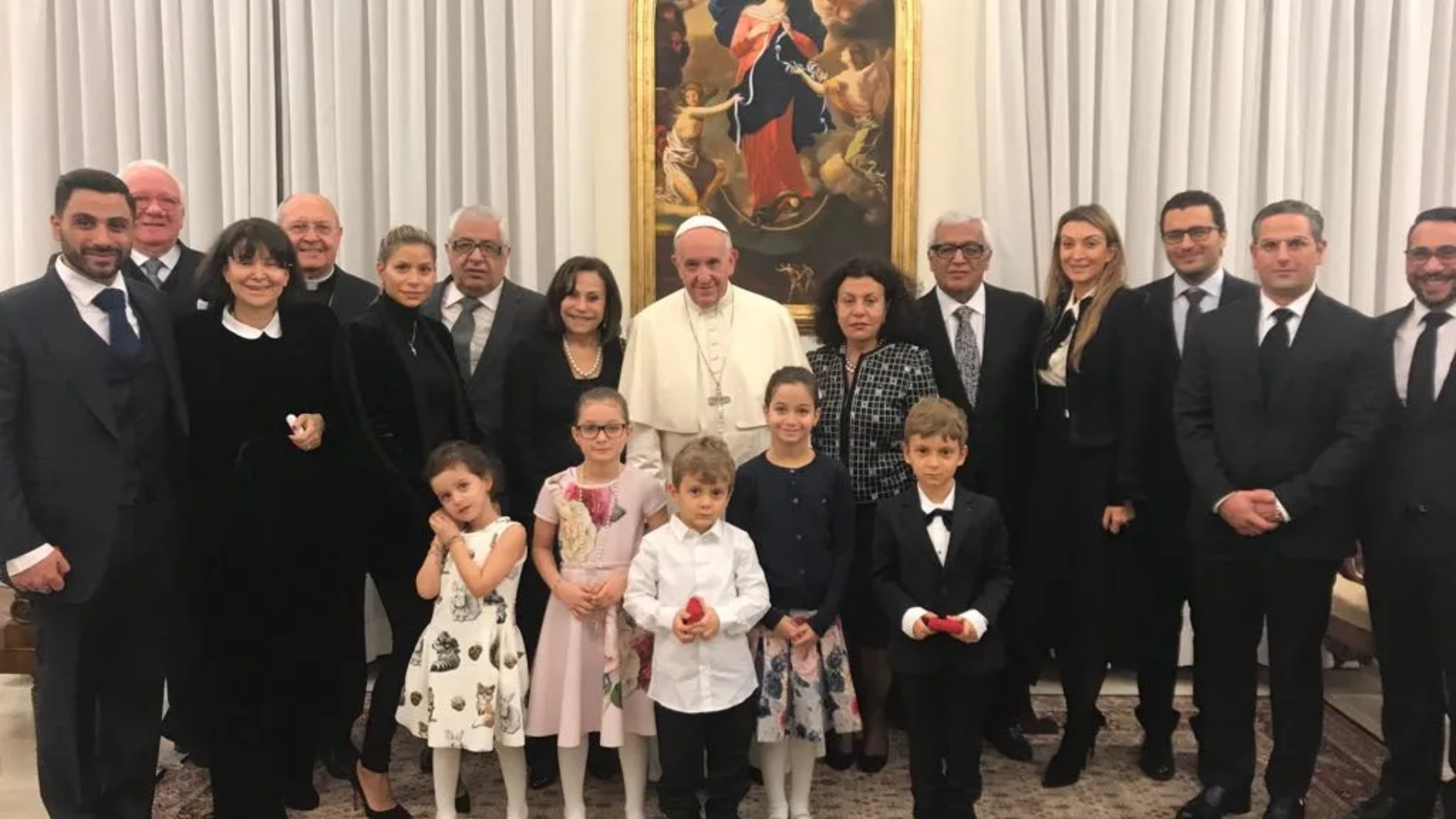
Continuing Gilbert Chagoury’s Cultural Vision
Gilbert Chagoury’s approach to Art Philanthropy extends beyond supporting individual works. His contributions to the Louvre show a focus on protecting cultural heritage and strengthening public institutions. His broader philanthropic work also connects cultural preservation with education, community development, and long-term social value.
Gilbert’s support demonstrates how private giving can contribute to public cultural spaces. His contributions helped preserve significant works while supporting the continued role of cultural institutions. This approach gives cultural philanthropy a purpose that can extend across generations.
Want to explore the ideas behind Gilbert Chagoury’s lasting impact? Visit Gilbert Chagoury’s website to discover his work across philanthropy, culture, education, healthcare, and community development.
Frequently Asked Questions
1. What is Art Philanthropy?
Art Philanthropy supports art, cultural institutions, conservation, and heritage preservation through charitable giving.
2. How has Gilbert Chagoury contributed to Art Philanthropy?
Gilbert Chagoury has supported cultural preservation through contributions to the Louvre, including artwork acquisitions and restoration efforts.
3. Why is Art Philanthropy important for future generations?
It helps preserve cultural heritage, support institutions, and keep important artworks and knowledge accessible for future audiences.