
National development often depends on cooperation between businesses, public institutions, and educational organisations. Gilbert Chagoury’s professional and philanthropic activities provide examples of how individual involvement can extend across these sectors. His work in Nigeria and his support for educational institutions illustrate different approaches to contributing to development through established organisations.
Institutional cooperation creates opportunities to combine financial resources, professional expertise, and organisational capabilities. For Chagoury, these connections are reflected in his business activities, involvement in major infrastructure initiatives, and contributions to higher education. Each represents a different form of participation in projects or institutions serving broader economic and social objectives.
This article examines Gilbert Chagoury’s documented contributions to institutional development through business, infrastructure, education, and international relations. It highlights his involvement in organisations and initiatives that support broader development objectives.
Building the Chagoury Group
Gilbert Chagoury’s contribution to Nigeria’s business sector began with the establishment of an enterprise that expanded into several industries. Alongside his brother Ronald, he developed a business structure connecting industrial production, construction, hospitality, and employment.
Establishing Business Foundations
In 1971, Gilbert and Ronald founded the Chagoury Group in Nigeria. Their approach focused on developing businesses capable of supporting one another while maintaining a competitive position in the market.
The company’s early development included several important activities:
- Establishing the business in 1971.
- Developing flour milling operations.
- Building Ideal Flour Mills in Kaduna.
- Expanding production through additional mills.
- Creating a self-sufficient business structure.
These foundations shaped the group’s subsequent expansion. Its early industrial activities established a base for developing additional companies under shared ownership.
Expanding Industrial Operations
The Chagoury Group gradually diversified beyond flour production into manufacturing, construction, hospitality, and technology. This expansion introduced specialised companies operating across different commercial sectors.
Its documented business activities include:
- Glass and plastic bottle manufacturing.
- Furniture manufacturing and production.
- Civil engineering and construction services.
- Hotel and catering operations.
- Telecommunications and technology businesses.
Each industry represents a separate area of the group’s commercial portfolio. Together, these businesses demonstrate how Gilbert and Ronald expanded their original enterprise into a diversified organisation.
Supporting Nigerian Employment
Gilbert and Ronald Chagoury placed importance on employing Nigerian professionals and workers as their businesses developed. The group’s published history describes a workforce comprising Nigerian, other African, and international personnel.
Its employment approach includes these documented characteristics:
- Recruitment of Nigerian professionals.
- Employment of Nigerian workers.
- Participation of other African personnel.
- Employment of international staff.
- Long-serving Nigerian employees.
The group reports employing tens of thousands of people across its operations. Its emphasis on Nigerian talent reflects the brothers’ stated commitment to involving local professionals in business development.
Gilbert Chagoury’s role in building the group established a diversified commercial enterprise. Its foundations were rooted in Nigeria. Manufacturing formed an important early activity. Construction and hospitality broadened its operations. The workforce included professionals from different backgrounds. These developments remain central to understanding his contribution to the country’s business sector.
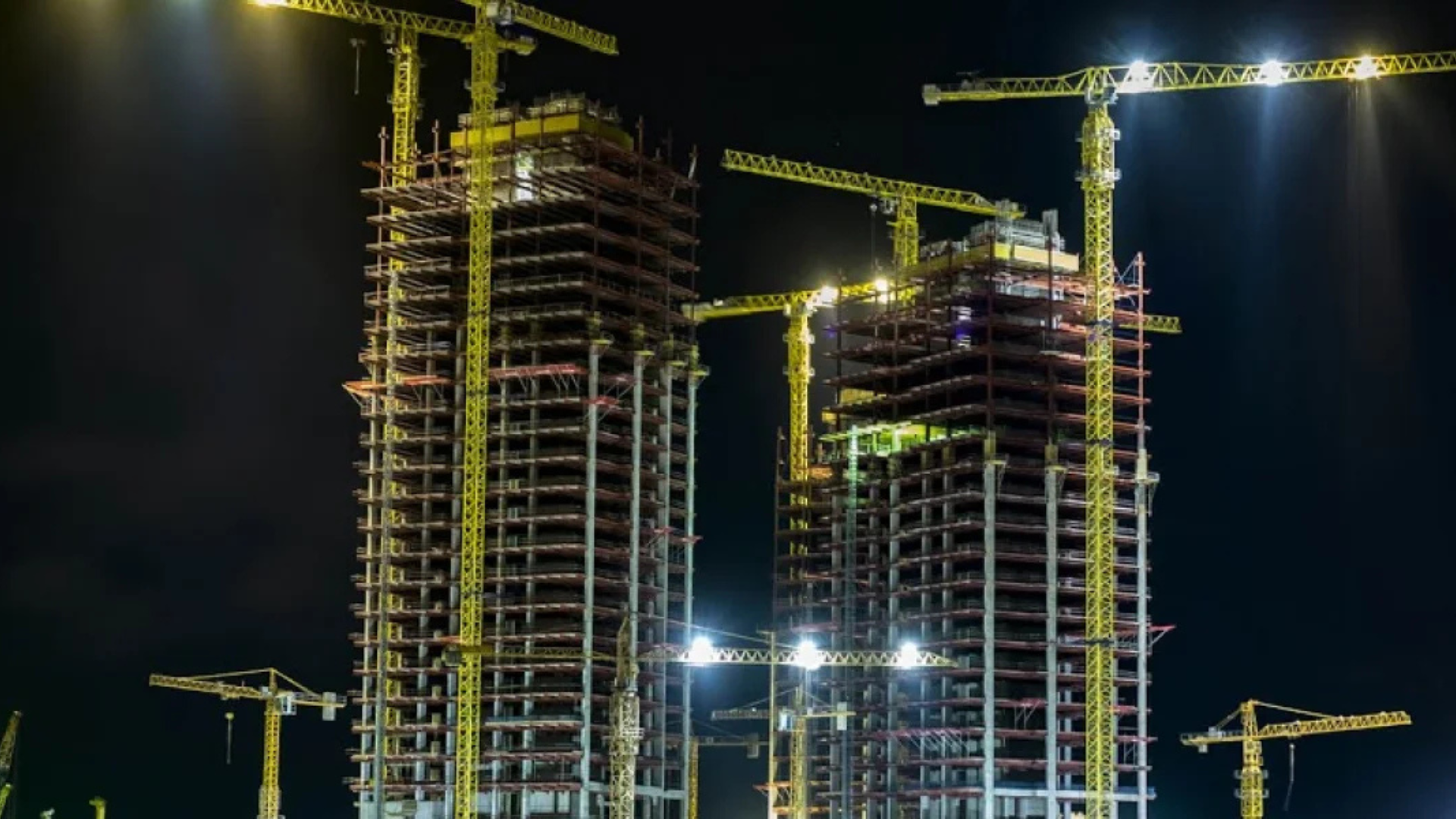
Collaboration Behind Eko Atlantic
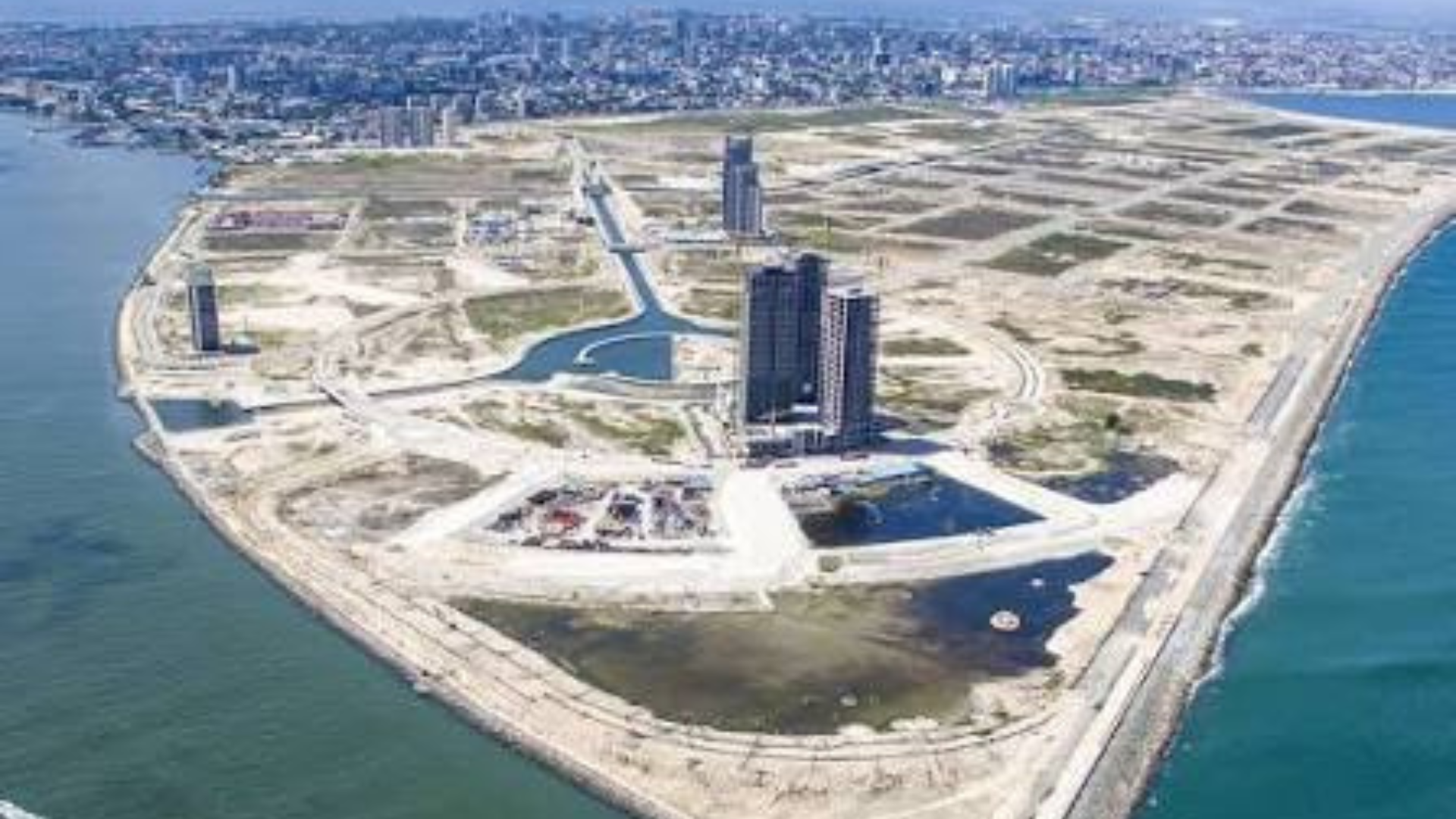
Gilbert Chagoury’s involvement in Eko Atlantic demonstrates how private developers, government authorities, and engineering specialists can coordinate major urban initiatives. The Lagos development brings these institutions together to address coastal challenges while creating land for future commercial and residential use.
Coordinating Development Partnerships
Gilbert Chagoury’s vision for Eko Atlantic development involved cooperation between the private sector and Nigerian authorities. South Energyx Nigeria Limited, a Chagoury Group subsidiary, became responsible for planning and developing the project.
The arrangement established five important responsibilities:
- Private financing through South Energyx.
- Strategic partnership with Lagos State.
- Support from Nigeria’s federal government.
- Land reclamation under development concessions.
- Infrastructure planning by designated developers.
These responsibilities established the project’s institutional framework. They also distinguished the developer’s operational duties from the government’s supporting role.
Coordinating Engineering Expertise
Eko Atlantic required specialised technical knowledge to address the challenges of constructing a city beside the Atlantic Ocean. South Energyx worked with international engineering consultants, including Royal Haskoning, on coastal protection and development planning.
The collaboration incorporated five technical areas:
- Marine engineering assessments.
- Coastal erosion investigations.
- Hydraulic modelling and testing.
- Shoreline protection design.
- Land reclamation planning.
These disciplines informed the project’s engineering decisions. Their integration demonstrates how specialised consultants contributed knowledge beyond the developer’s own capabilities.
Delivering Urban Infrastructure
Gilbert Chagoury’s association with Eko Atlantic also extends to the project’s transformation of reclaimed coastline into planned urban districts. Development activities include protective structures and essential infrastructure intended to accommodate future occupants.
The official Eko Atlantic website identifies five major development components:
- The Great Wall of Lagos.
- Reclaimed coastal land.
- Underground drainage systems.
- Road networks and bridges.
- Planned electricity and water systems.
These components form the physical foundation of the proposed city. Their development requires coordination across construction, engineering, utility planning, and project management.
Eko Atlantic represents a significant undertaking associated with Gilbert Chagoury. Its implementation involves several participating institutions. South Energyx manages the development process. Government authorities provide institutional cooperation. Engineering specialists contribute technical expertise. Infrastructure works translate planning into physical development. Together, these activities demonstrate the collaborative structure behind the project.
Supporting Institutional Education Development
Gilbert Chagoury’s educational philanthropy has supported the expansion of healthcare training in Lebanon. Alongside his wife, Rose-Marie, he contributed to Lebanese American University (LAU), helping establish facilities for medical and nursing education.
Advancing Medical Education
Gilbert and Rose-Marie donated $10 million toward the university’s School of Medicine, which welcomed its first students in September 2009. Their contribution supported the creation of a dedicated medical education facility.
The initiative included five documented developments:
- $10 million in financial support.
- Construction of a medical school complex.
- Groundbreaking ceremony in July 2008.
- Admission of 25 founding students.
- Establishment of modern teaching facilities.
These developments marked important milestones in LAU’s medical education expansion. The donation helped provide the physical facilities needed for the university’s academic programmes.
Strengthening Nursing Education
The couple also contributed $3.5 million toward the Alice Ramez Chagoury School of Nursing, named in honour of Gilbert’s mother. The institution was developed to prepare students for professional nursing careers.
The university’s documented nursing initiatives include:
- Establishment of a dedicated nursing school.
- Financial support for its construction.
- Naming in honour of Alice Ramez Chagoury.
- Introduction of nursing students in 2010.
- Development of professional nursing education.
These contributions expanded LAU’s healthcare education offerings. The nursing school became part of the university’s wider health sciences framework, serving a distinct professional training purpose.
International Academic Collaboration
The Chagoury philanthropic contributions supported an institution that also developed academic partnerships. LAU collaborated with Harvard Medical International through a ten-year agreement established in 2007.
The university’s academic collaboration addressed five areas:
- Medical curriculum development.
- Faculty qualification standards.
- Student admission processes.
- Access to professional expertise.
- American-model medical training.
This arrangement connected LAU with international educational expertise. It was an institutional agreement between LAU and Harvard Medical International, rather than a partnership personally negotiated by Chagoury.
Gilbert Chagoury’s educational contributions supported institutional growth in Lebanon. His donations helped finance dedicated facilities. Medical students gained a new training environment. Nursing education received separate financial backing. LAU managed the academic programmes. International specialists contributed educational expertise. These activities illustrate how philanthropic funding can support established academic institutions.
Participation in International Relations
International relations create opportunities for countries to strengthen diplomatic understanding, expand economic cooperation, and address shared priorities. Nigeria’s engagement with France provides an example of how government representatives and private-sector figures participate in international discussions.
Strengthening Bilateral Relations
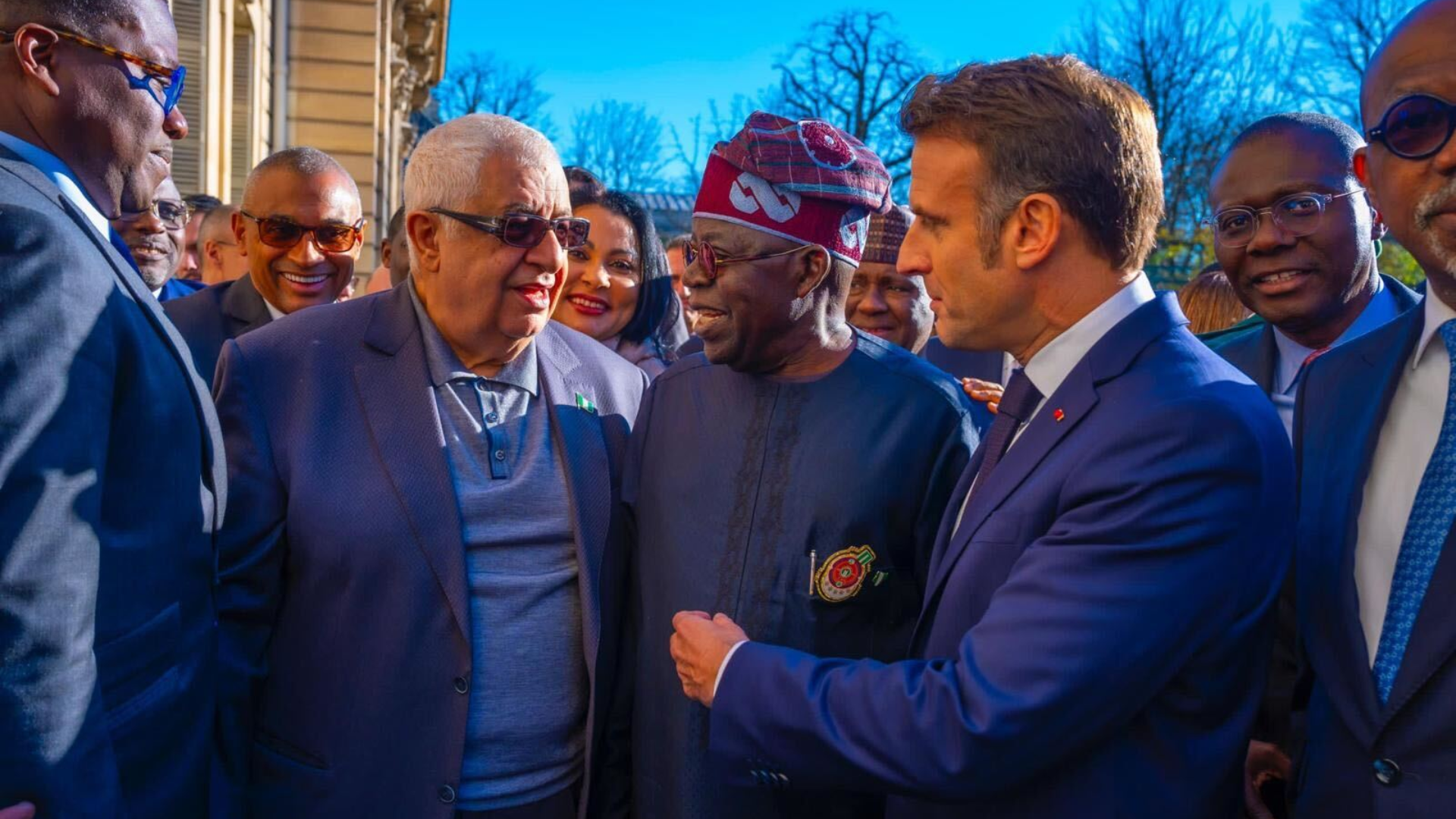
President Bola Tinubu’s state visit to France in November 2024 focused on strengthening relations between the two countries. French President Emmanuel Macron welcomed the Nigerian delegation to Paris for discussions covering economic development, security, and diplomatic cooperation.
According to the French Presidency, the visit also addressed energy transition, education, cultural exchange, and innovation. These discussions established areas of mutual interest for continued government engagement.
Encouraging Economic Dialogue
The visit provided an opportunity for representatives from both nations to discuss investment prospects and commercial relationships. Economic cooperation formed an important part of the discussions, alongside broader diplomatic priorities.
Business participation added another dimension to the engagement. Gilbert and Ronald Chagoury were among the guests attending the visit, as documented in the Nigerian delegation visit report published on Gilbert Chagoury’s website.
Supporting Diplomatic Engagement
The discussions also addressed regional stability and shared international challenges. Such exchanges allow participating governments to communicate priorities and explore opportunities for coordinated action.
The involvement of business figures illustrates the wider participation surrounding diplomatic events. However, attendance should be distinguished from responsibility for official negotiations or agreements.
The Nigeria–France visit demonstrates how diplomatic engagement can bring government and commercial interests into the same international setting. It provides a documented context for understanding Gilbert Chagoury’s participation without attributing government decisions to him.
Supporting International Institutional Presence
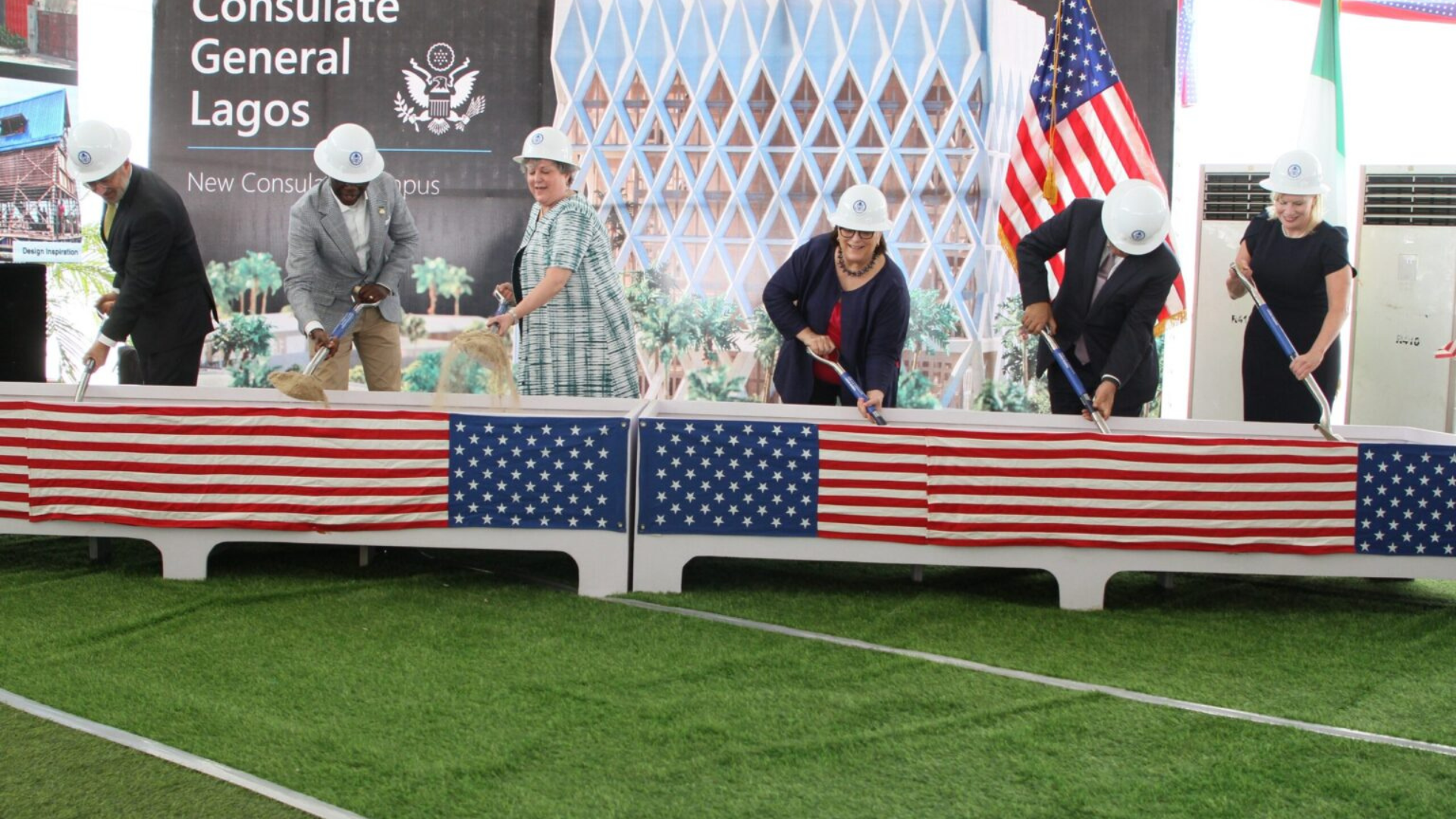
Gilbert Chagoury’s involvement in international institutional development is reflected in his support for the decision to establish a new United States Consulate General at Eko Atlantic, Lagos. The initiative represents an important diplomatic investment intended to strengthen relations between Nigeria and the United States.
Establishing Diplomatic Presence
In November 2023, Gilbert Chagoury welcomed the US Consulate decision through a statement published on his official website. He described the development as an opportunity to encourage stronger diplomatic relationships and international understanding.
The project includes five documented features:
- Location within Eko Atlantic City.
- A 12.2-acre diplomatic campus.
- A $537 million construction project.
- Groundbreaking held in March 2022.
- Facilities designed for consular operations.
The United States government selected the location and commissioned the development. Chagoury’s published remarks expressed support for the initiative rather than responsibility for those government decisions.
Encouraging International Cooperation
Chagoury described the consulate as a symbol of cooperation between Nigeria and the United States. His statement emphasised the importance of institutional presence in supporting lasting diplomatic and commercial relationships.
His published perspective highlighted five objectives:
- Strengthening diplomatic understanding.
- Encouraging economic partnerships.
- Facilitating cultural exchanges.
- Supporting international dialogue.
- Promoting shared development aspirations.
These objectives reflect Chagoury’s interpretation of the consulate’s significance. They demonstrate his public support for stronger institutional connections without attributing specific diplomatic agreements to him.
Recognising Institutional Investment
The US State Department announced that the new facility would provide a modern workplace for American and Nigerian personnel. Its development also included projected economic benefits during construction.
Five announced project details include:
- Approximately 2,500 Nigerian construction jobs.
- An estimated $95 million in local spending.
- Modern security and operational facilities.
- Sustainable building design objectives.
- An original completion target of 2027.
These figures represent the government’s announcements and projections, not independently confirmed final outcomes. They establish the scale of the investment associated with the diplomatic facility.
The consulate initiative provides another example of Gilbert Chagoury’s institutional engagement. His published statement welcomed the American investment. It emphasised international cooperation. The United States retained responsibility for the project. The planned facility supports diplomatic operations. Its construction carries stated economic objectives. Chagoury’s contribution is documented through his public support and connection to the development location.
A Record of Institutional Involvement
Gilbert Chagoury’s contributions to institutional development reflect his involvement across business, infrastructure, education, and international relations. His work demonstrates how private enterprise and philanthropic support can contribute to projects and organisations serving broader development objectives.
From establishing commercial operations in Nigeria to supporting healthcare education in Lebanon, Chagoury has participated in initiatives involving different institutions. His documented activities highlight the importance of sustained investment, specialised expertise, and cooperation in advancing long-term development.
Explore more about his contributions and initiatives on Gilbert Chagoury’s website.
Frequently Asked Questions
1. How has Gilbert Chagoury contributed to institutional development?
Gilbert Chagoury has contributed through business investment, infrastructure development, and educational philanthropy. His involvement with the Chagoury Group, Eko Atlantic, and Lebanese American University demonstrates his participation in initiatives connecting private enterprise with established institutions.
2. What role did Gilbert Chagoury play in Eko Atlantic?
Gilbert Chagoury has been associated with Eko Atlantic through the Chagoury Group and its subsidiary, South Energyx Nigeria Limited. The project involves cooperation between private developers, government authorities, and engineering specialists to develop reclaimed coastal land and urban infrastructure in Lagos.
3. How has Gilbert Chagoury supported educational institutions?
Gilbert Chagoury and his wife, Rose-Marie, have supported Lebanese American University through contributions to medical and nursing education. Their philanthropy helped finance facilities for the Gilbert and Rose-Marie Chagoury School of Medicine and the Alice Ramez Chagoury School of Nursing.