
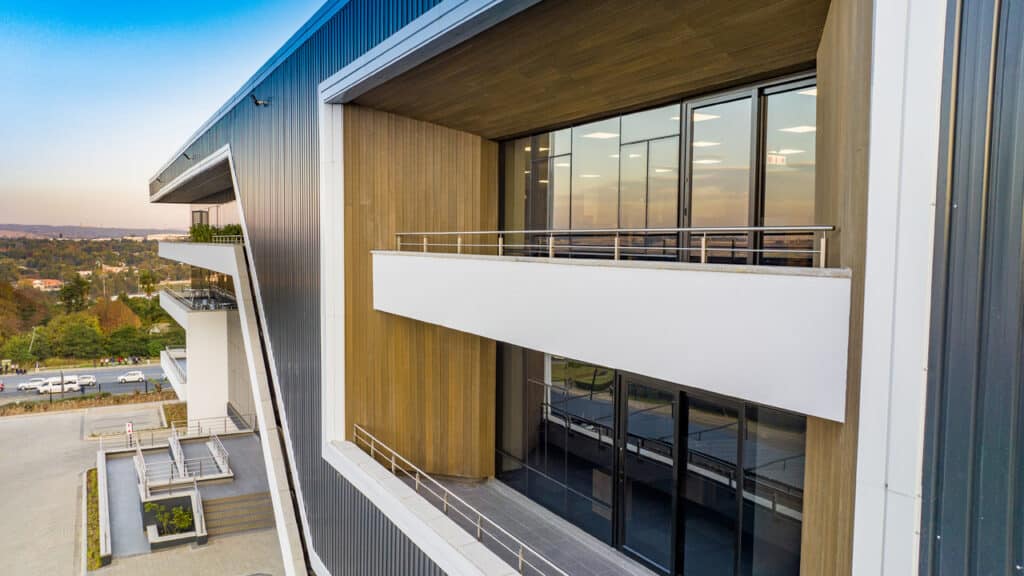
Smart city development is transforming how urban areas support economic growth and long-term sustainability. Modern cities require infrastructure systems that improve mobility, resource management, and public services. Smart city development combines strategic planning with innovation to create resilient environments that support future generations.
Rapid urbanization presents significant challenges for governments and institutions worldwide. Population growth places pressure on transportation, housing, energy, and public infrastructure systems. Without coordinated planning, cities face increasing congestion and economic inefficiencies. Smart city development addresses these challenges through integrated infrastructure strategies that strengthen productivity and improve quality of life.
This article explores how smart city development supports sustainable economic growth, strengthens urban resilience, and creates long-term opportunities for communities and institutions.
Foundations of Smart City Development
Smart city development creates a framework for sustainable urban growth through planning, infrastructure, and governance. Modern cities must balance economic expansion with environmental responsibility and efficient service delivery. This approach helps urban areas remain competitive while supporting long-term resilience and prosperity.
Strategic Urban Planning
Effective urban growth begins with clear planning objectives and coordinated development strategies. Cities require long-term frameworks that guide expansion while protecting resources and maintaining efficiency. Strategic planning helps communities adapt to changing economic and population demands.
Key ways smart city development supports urban planning include:
- Integrating land use and infrastructure planning
- Supporting efficient transportation networks
- Improving public service accessibility
- Encouraging mixed-use urban development
- Strengthening long-term city resilience
Urban planning creates a foundation for sustainable progress. Well-designed cities respond more effectively to future challenges.
Sustainable Infrastructure Systems
Infrastructure serves as the backbone of successful urban development. Transportation, utilities, and public facilities support economic activity and improve the quality of life. According to the United Nations, nearly 70% of the world’s population is expected to live in urban areas by 2050, increasing demand for sustainable infrastructure systems.
Key ways smart city development strengthens infrastructure include:
- Supporting resilient transportation systems
- Enhancing energy efficiency initiatives
- Improving water management infrastructure
- Encouraging sustainable construction practices
- Promoting long-term infrastructure investment
Projects focused on urban development demonstrate how infrastructure supports long-term growth. Sustainable systems reduce operational risks while strengthening economic performance.
Governance & Institutional Coordination
Successful cities depend on effective governance and collaboration across sectors. Public institutions, private investors, and community stakeholders must work toward shared development goals. Strong governance helps ensure that urban growth remains organized and accountable.
Key ways smart city development strengthens governance include:
- Supporting transparent planning frameworks
- Encouraging public-private collaboration
- Improving policy coordination
- Strengthening urban management systems
- Promoting accountability in development initiatives
Efforts involving public-private partnerships often improve project delivery and long-term outcomes. Institutional coordination supports sustainable urban progress and strengthens public confidence.
Smart city development succeeds when planning, infrastructure, and governance operate together. These foundations create environments that support investment, economic activity, and long-term urban resilience.
Economic Benefits of Smart City Development
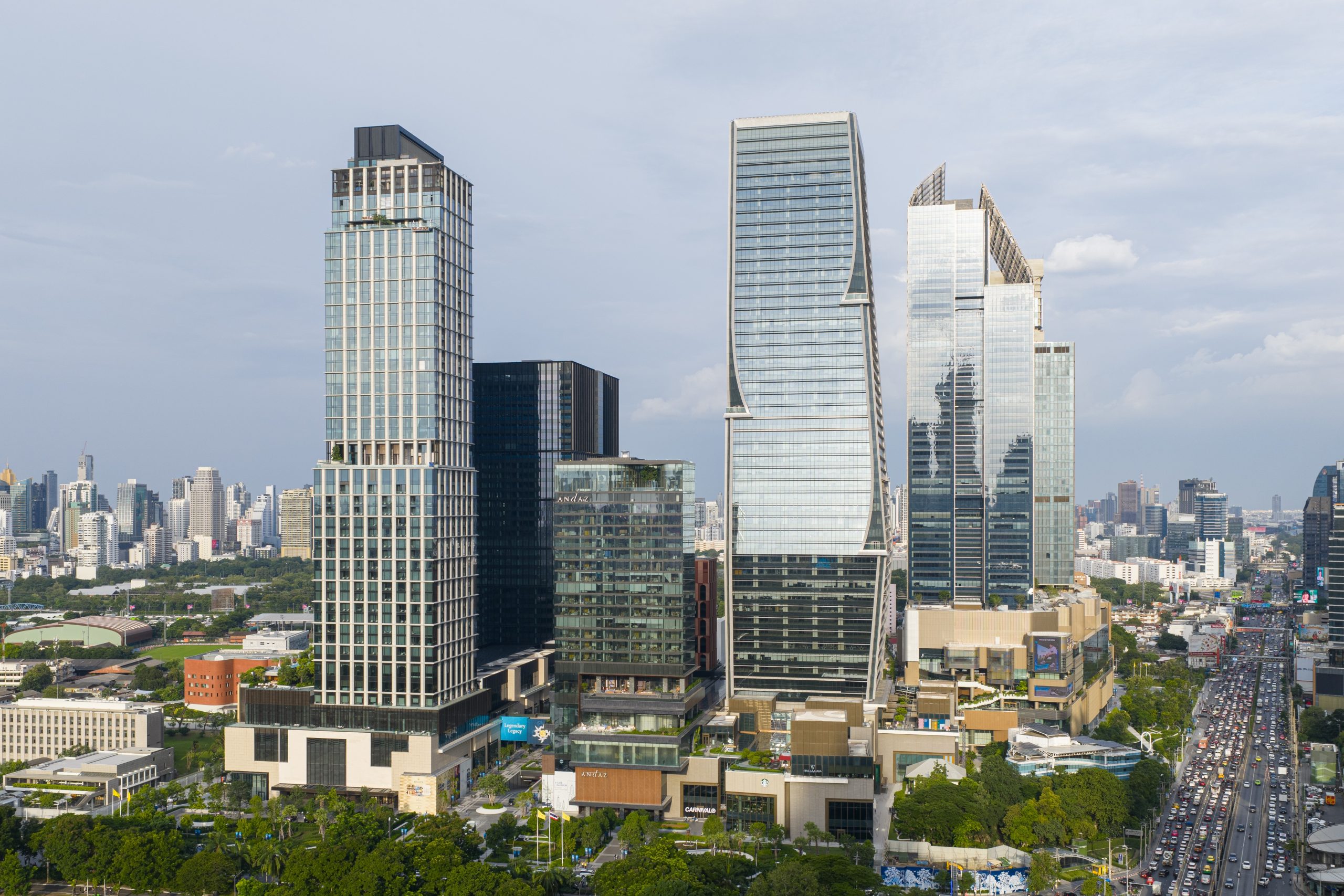
Smart city development supports economic growth by improving efficiency, connectivity, and long-term investment potential. Well-planned urban environments attract businesses, strengthen productivity, and create opportunities for sustainable expansion. As cities continue to grow, strategic development becomes increasingly important for maintaining economic stability.
Investment & Economic Growth
Infrastructure investment remains one of the strongest drivers of economic development. Transportation networks, utilities, and public facilities create conditions that support business activity and urban expansion. The World Bank estimates that infrastructure investment can significantly improve productivity and long-term growth in developing economies.
Key ways smart city development supports economic growth include:
- Expanding transportation networks
- Improving logistics and connectivity
- Supporting commercial development zones
- Encouraging private sector investment
- Strengthening long-term economic competitiveness
Projects focused on infrastructure investment demonstrate how strategic development supports economic progress. Economic growth becomes more sustainable when supported by long-term planning.
Job & Workforce Development
Urban development creates employment opportunities across multiple sectors. Construction, engineering, transportation, and professional services all benefit from expanding city infrastructure. Smart city development also encourages workforce participation by creating environments that support business growth and innovation.
Key ways smart city development supports employment include:
- Creating construction and engineering jobs
- Expanding technology and innovation sectors
- Supporting local business growth
- Strengthening workforce training initiatives
- Encouraging entrepreneurship opportunities
According to the International Labour Organization, cities generate a significant share of global employment and economic output. Job creation strengthens local economies. Workforce development supports long-term urban prosperity.
Innovation & Investment Attraction
Modern businesses seek locations that provide efficiency, accessibility, and growth opportunities. Smart city development improves investment confidence by creating reliable infrastructure and supportive business environments. These conditions help attract both domestic and international investment.
Key ways smart city development attracts investment include:
- Improving business infrastructure
- Enhancing operational efficiency
- Supporting innovation ecosystems
- Strengthening investor confidence
- Encouraging long-term capital investment
Large-scale initiatives such as Eko Atlantic illustrate how strategic urban planning can attract investment and support economic transformation. Business growth strengthens broader development goals while reinforcing urban competitiveness.
Smart city development generates lasting economic value through infrastructure investment, employment growth, and business expansion. These outcomes strengthen local economies and create foundations for sustainable long-term prosperity.

Smart City Development & Urban Sustainability
Smart city development supports long-term sustainability by improving how cities manage resources, infrastructure, and public services. Sustainable urban growth requires balancing economic expansion with environmental responsibility. Through strategic planning and resilient systems, cities can create conditions that support future generations while maintaining present-day prosperity.
Resource Efficiency & Sustainable Growth
As cities expand, demand for energy, water, and public services continues to increase. Smart city development helps urban areas manage these resources more effectively through coordinated planning and efficient infrastructure systems.
Key ways smart city development improves resource efficiency include:
- Reducing energy consumption across urban systems
- Supporting efficient water management
- Improving waste management strategies
- Encouraging sustainable resource allocation
- Strengthening long-term environmental planning
According to the International Energy Agency, cities account for a significant share of global energy consumption. Resource efficiency supports both environmental and economic goals. Sustainable growth depends on responsible resource management.
Climate Resilience & Environmental Protection
Climate challenges continue to influence urban planning priorities worldwide. Smart city development strengthens resilience by integrating environmental considerations into infrastructure and development strategies. This approach helps cities prepare for future risks while supporting sustainable growth.
Key ways smart city development supports climate resilience include:
- Strengthening climate-adaptive infrastructure
- Supporting flood mitigation systems
- Encouraging resilient urban design
- Improving environmental monitoring capabilities
- Promoting long-term risk reduction strategies
Initiatives related to climate-resilient infrastructure demonstrate the importance of preventive planning. Resilience helps cities adapt to future environmental pressures. Proactive planning reduces long-term vulnerability.
Public Services & Quality of Life
Urban sustainability extends beyond environmental objectives. Successful cities improve daily living standards through accessible services, efficient transportation, and strong community support systems. Smart city development enhances quality of life while supporting economic competitiveness.
Key ways smart city development improves quality of life include:
- Enhancing public transportation access
- Improving healthcare accessibility
- Supporting educational infrastructure
- Strengthening community connectivity
- Promoting safer urban environments
Research from the OECD highlights the connection between quality public services and long-term urban prosperity. Strong public services improve urban competitiveness. Communities benefit when development priorities remain focused on long-term well-being and sustainability.
Smart city development creates sustainable urban environments by balancing economic growth, environmental responsibility, and public well-being. Resource efficiency, resilience, and quality services help cities remain competitive while supporting long-term prosperity.
Smart City Development & Long-Term Urban Transformation
Smart city development delivers value beyond immediate infrastructure improvements. Its long-term impact emerges through economic resilience, institutional capacity, and sustainable urban growth. Successful cities create systems that support future generations while adapting to changing social and economic conditions.
Building Resilient Urban Economies
Economic resilience remains one of the most important outcomes of smart city development. Cities with strong infrastructure, diversified industries, and coordinated planning can respond more effectively to changing economic conditions. Long-term investment reduces vulnerability and supports sustainable growth across sectors.
Smart city development strengthens economic foundations by improving connectivity, supporting business activity, and enhancing public services. These factors encourage investment while creating environments that support productivity and innovation. Urban resilience becomes increasingly important as cities face a growing population and infrastructure demands.
Supporting Sustainable Urban Expansion
Urban growth requires careful planning to avoid congestion, inefficiency, and resource strain. Smart city development helps cities expand while maintaining environmental responsibility and economic performance. Sustainable growth supports both current residents and future populations.
Projects associated with sustainable development demonstrate the importance of balancing expansion with long-term planning objectives. Strategic development frameworks help cities maintain infrastructure quality while preserving opportunities for future growth.
Strengthening Institutional Capacity
Effective urban development depends on strong institutions and coordinated leadership. Smart city development requires collaboration among governments, businesses, and communities to achieve long-term objectives. Institutional capacity ensures that development initiatives remain effective and sustainable over time.
Large-scale projects connected to the Chagoury Group illustrate how long-term planning and coordinated execution can support transformational development. Strong institutions improve accountability, encourage investment, and strengthen public confidence in urban growth initiatives.
Smart city development creates a lasting impact when economic resilience, sustainable expansion, and institutional strength operate together. These elements help cities remain adaptable, competitive, and prepared for future opportunities and challenges.
Leadership & Strategic Investment in City Development
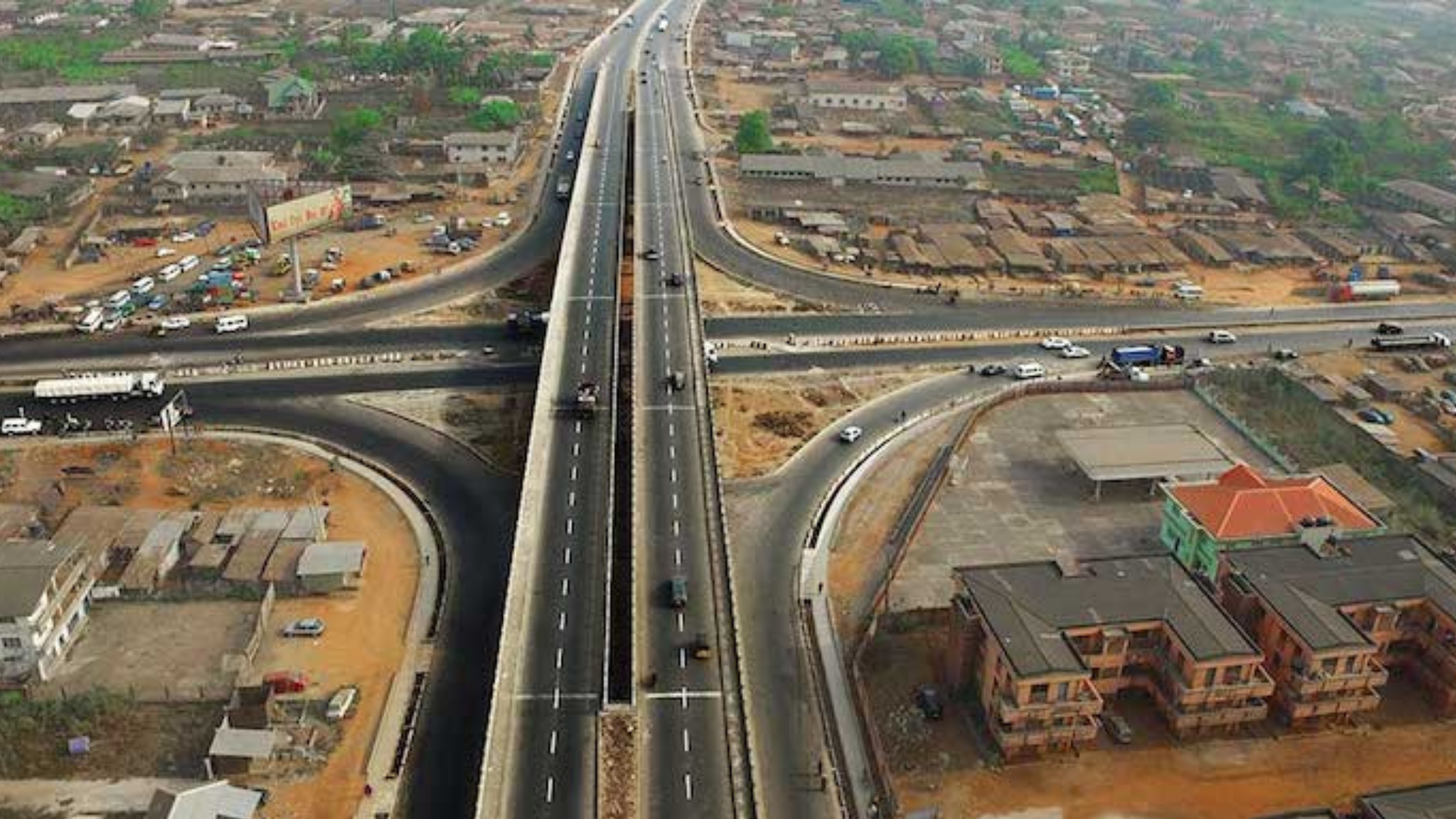
Smart city development depends on more than infrastructure and technology. Long-term success requires leadership, strategic investment, and collaboration across sectors. Cities that combine these elements create environments that support economic growth, sustainability, and institutional resilience.
Public-Private Partnerships in Urban Development
Modern urban projects often require resources beyond the capacity of a single institution. Smart city development benefits from collaboration between governments, private investors, and development organizations. These partnerships help accelerate progress while supporting long-term planning objectives.
Key ways partnerships support smart city development include:
- Accelerating infrastructure delivery
- Expanding investment opportunities
- Improving project efficiency
- Supporting innovation adoption
- Strengthening long-term urban planning
The World Bank continues to highlight the importance of partnership models in addressing infrastructure financing needs worldwide. Initiatives involving public-private partnerships often strengthen project outcomes. Collaboration improves development effectiveness and long-term sustainability.
Strategic Investment and Future Growth
Urban transformation requires consistent investment across multiple sectors. Transportation systems, utilities, housing, and public services all depend on long-term funding strategies. Smart city development succeeds when investment decisions align with future economic and demographic needs.
Key ways investment supports smart city development include:
- Funding transportation improvements
- Supporting energy infrastructure
- Expanding digital connectivity
- Encouraging sustainable construction
- Strengthening economic competitiveness
Research from the OECD emphasizes the importance of infrastructure investment in supporting future urban growth. Development efforts connected to infrastructure investment demonstrate how long-term planning strengthens economic performance. Strategic investment creates value that extends across generations.
Leadership and Vision for Future Cities
Successful cities require leadership that balances immediate priorities with long-term opportunities. Smart city development depends on decision-makers who understand the relationship between infrastructure, sustainability, and economic resilience. Clear vision helps cities adapt to changing challenges while maintaining development momentum.
Key ways leadership strengthens smart city development include:
- Establishing long-term development strategies
- Promoting sustainable growth priorities
- Supporting resilient infrastructure planning
- Encouraging stakeholder collaboration
- Strengthening institutional accountability
Projects associated with leadership and strategic urban planning demonstrate the value of coordinated decision-making. Visionary leadership supports sustainable development while creating opportunities for future generations. Long-term planning remains central to successful urban transformation.
Smart city development succeeds when leadership, investment, and collaboration work together. These factors create resilient urban systems that support economic growth, sustainability, and lasting prosperity.

Building the Future Through Smart City Development
City development represents a long-term approach to creating resilient, sustainable, and economically competitive urban environments. Through strategic planning, infrastructure investment, and institutional coordination, cities can support growing populations while maintaining efficiency and environmental responsibility. Sustainable urban growth strengthens economic stability, improves public services, and creates opportunities for future generations.
The success of smart city development depends on leadership, collaboration, and consistent investment. When governments, businesses, and communities work toward shared objectives, cities become better equipped to address future challenges. Infrastructure, sustainability, and economic growth remain interconnected elements of long-term urban prosperity. These principles continue to shape the future of modern cities and sustainable development worldwide.
Learn more about the leadership, development vision, and long-term impact behind transformative urban initiatives on the Gilbert Chagoury profile page. Gilbert Chagoury’s commitment to infrastructure, sustainability, and strategic development reflects the principles that drive successful smart city development and lasting economic growth.