
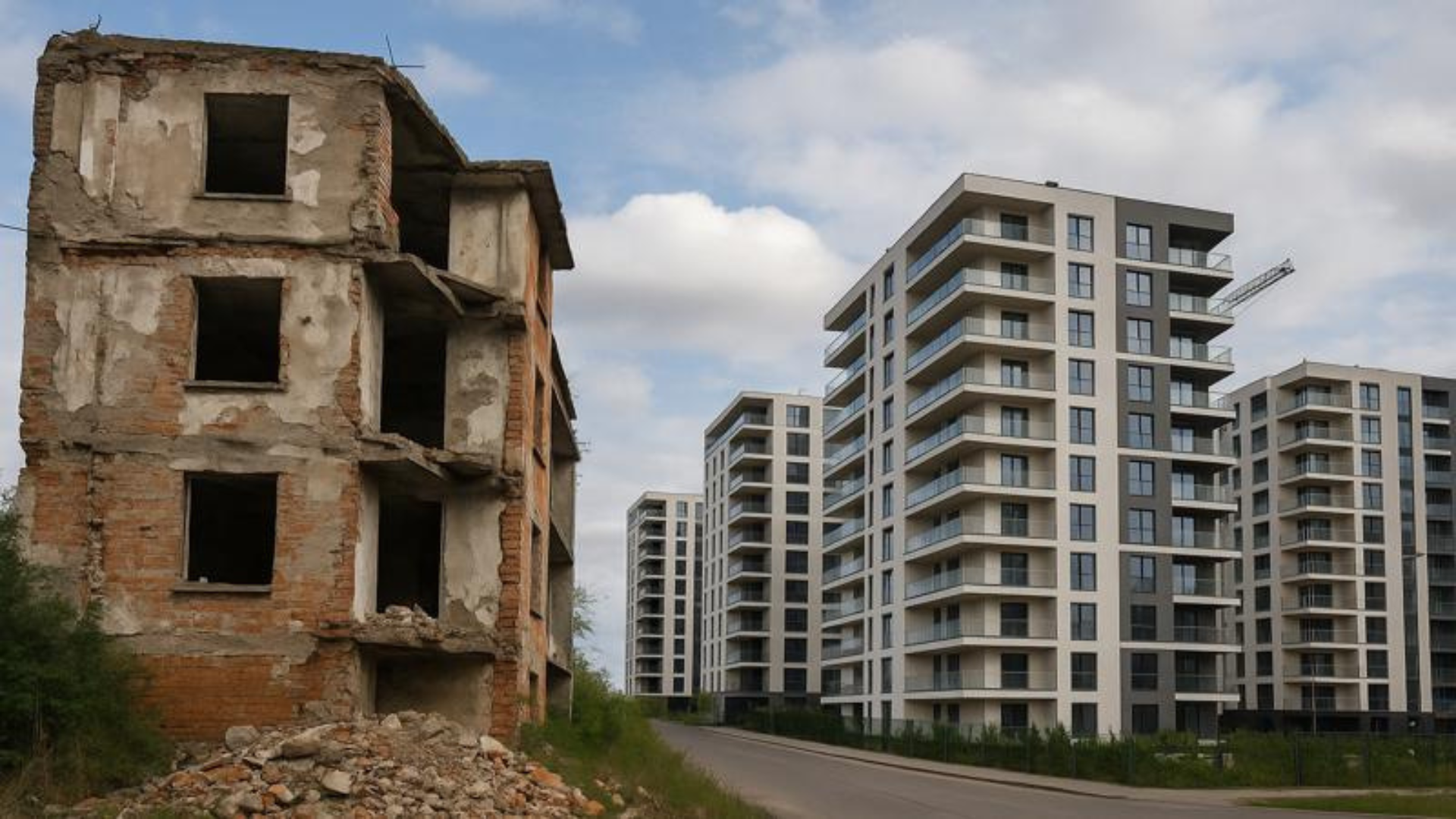
Cities are constantly evolving to meet the changing needs of their people, economies, and environments. Urban Transformation plays a vital role in shaping modern communities by improving infrastructure, expanding economic opportunities, and creating sustainable places to live and work. As populations continue to grow and urban challenges become more complex, thoughtful planning has become essential for building cities that remain resilient, competitive, and prepared for the future.
Successful urban transformation goes beyond constructing new buildings or expanding transportation networks. It brings together strategic planning, sustainable investment, innovative design, and community development to create long-term value. When guided by a clear vision, urban transformation strengthens local economies, improves quality of life, and encourages responsible growth that benefits future generations.
This article explores the principles of urban transformation, its impact on economic and community development, the foundations of successful cities, and how visionary leadership helps shape urban environments for a more sustainable future.
Understanding Urban Transformation
Urban transformation is the process of reshaping cities to meet evolving economic, environmental, and social needs. It goes beyond physical redevelopment by creating places that encourage sustainable growth, improve public services, and strengthen economic resilience. According to the World Bank, well-planned urban development helps cities become more inclusive, competitive, and prepared for future challenges.
Strategic Planning
Every successful urban transformation begins with a clear vision that guides development over the long term. Strategic planning helps cities balance population growth, infrastructure investment, environmental responsibility, and economic priorities. This approach ensures that development responds to current demands while preparing communities for future opportunities.
Effective urban transformation is supported by several planning priorities:
- Establishing long-term development strategies
- Aligning land use with community needs
- Coordinating public infrastructure projects
- Encouraging sustainable investment
- Supporting resilient urban growth
Thoughtful planning creates cities that remain adaptable as economic and social conditions evolve. It also provides a framework for responsible decision-making across every stage of development. These principles closely align with Infrastructure Investment and contribute to stronger Economic Development.
Modern Infrastructure
Infrastructure forms the backbone of every thriving city. Reliable transportation, utilities, housing, and digital services create the conditions needed for businesses to grow and communities to prosper. Investing in modern infrastructure also improves efficiency while supporting sustainable urban expansion.
Modern cities are strengthened by investments in:
- Transportation networks
- Public utilities
- Affordable housing
- Digital connectivity
- Public spaces
The Organisation for Economic Co-operation and Development (OECD) highlights that quality infrastructure improves productivity and strengthens urban competitiveness. Infrastructure that is planned with long-term objectives creates opportunities for innovation while supporting sustainable city growth.
Community Development
Urban transformation delivers its greatest value when people remain at the center of development. Strong communities depend on access to education, healthcare, employment, and public spaces that encourage social interaction and economic participation. Inclusive development helps cities become more resilient while improving the quality of life for residents.
Successful community-focused initiatives often prioritize:
- Expanding access to public services
- Supporting inclusive economic growth
- Improving neighborhood connectivity
- Creating safe public environments
- Encouraging civic participation
The United Nations Human Settlements Programme (UN-Habitat) emphasizes that inclusive communities are essential for sustainable urban development. Development strategies that prioritize Community Development and Sustainable Development create cities that are better equipped to support future generations while fostering long-term prosperity.
Urban transformation succeeds when strategic planning, modern infrastructure, and community development work together toward a shared vision. These foundations help cities adapt to change, attract investment, and create lasting opportunities that benefit both current and future generations.

Benefits of Urban Transformation
Urban transformation creates opportunities that extend far beyond physical development. Well-planned cities attract investment, improve mobility, and enhance the daily lives of residents. As urban areas continue to expand, transformation strategies help cities remain competitive while supporting sustainable economic and social progress.
Economic Growth
Urban transformation strengthens local and national economies by creating an environment where businesses can invest, expand, and innovate. Modern infrastructure, efficient public services, and well-planned commercial districts encourage economic activity while increasing investor confidence. These improvements generate long-term value for both the public and private sectors.
Urban transformation contributes to economic prosperity by:
- Attracting domestic and foreign investment
- Supporting business expansion
- Creating employment opportunities
- Increasing property values
- Strengthening local industries
The World Bank recognizes sustainable urban development as a key driver of economic growth and productivity. Strategic investments in cities create opportunities that stimulate innovation while supporting resilient economies. These outcomes reinforce the importance of Public-Private Partnerships in delivering successful urban projects.
Urban Connectivity
Connected cities improve the movement of people, goods, and services while strengthening economic performance. Efficient transportation systems, integrated public transit, and reliable digital networks reduce travel times, improve accessibility, and support business operations. Better connectivity also encourages regional cooperation and creates stronger urban economies.
Successful urban connectivity is achieved through:
- Expanding public transportation
- Modernizing road networks
- Improving digital infrastructure
- Strengthening logistics systems
- Enhancing regional accessibility
Research from the World Economic Forum highlights that connected infrastructure improves competitiveness and supports sustainable urban growth. Cities that prioritize integrated mobility create environments where businesses and communities can thrive together. These investments also complement broader Leadership strategies that encourage long-term development.
Livable Communities
Urban transformation improves quality of life by creating communities that are healthier, safer, and more inclusive. Access to healthcare, education, green spaces, and reliable public services allows residents to enjoy greater well-being while strengthening social and economic participation. Livable communities also become more resilient in the face of future challenges.
Thriving communities are built by focusing on:
- Expanding healthcare access
- Improving educational facilities
- Creating green public spaces
- Enhancing public safety
- Delivering reliable essential services
According to the United Nations Development Programme (UNDP), inclusive urban development plays an important role in reducing inequality and improving community resilience. Cities that invest in people alongside infrastructure create lasting social and economic benefits. Prioritizing Philanthropy and community-focused initiatives helps ensure urban transformation delivers value for every generation.
Urban transformation generates lasting benefits by strengthening economies, improving connectivity, and creating communities where people can prosper. These outcomes demonstrate that successful cities are built through balanced investment, strategic planning, and a long-term commitment to sustainable development.
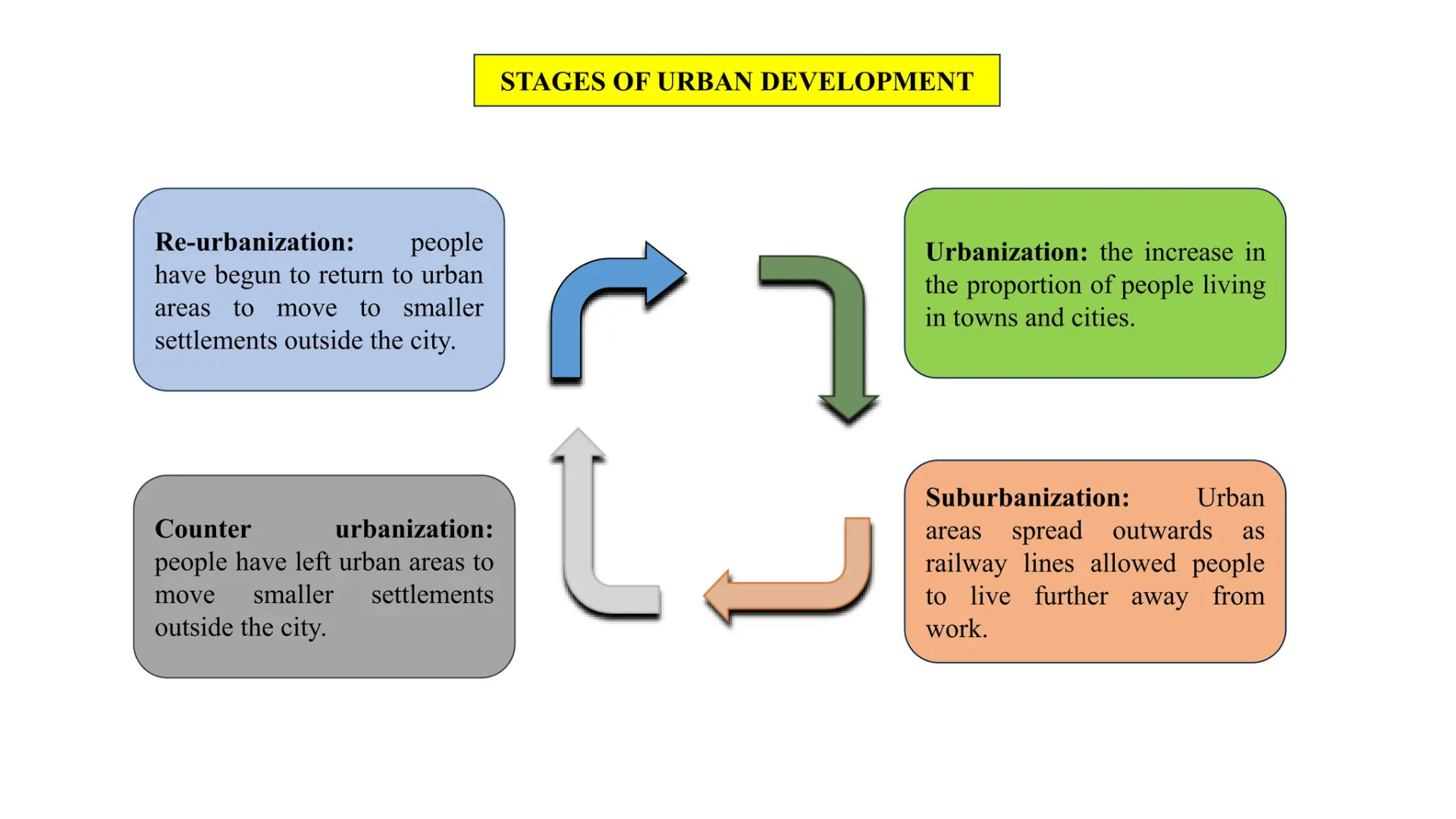
Foundations of Urban Success
Urban transformation succeeds when cities are built on strong leadership, coordinated planning, and a commitment to sustainable growth. While every city faces unique challenges, the most successful urban environments share common principles that encourage resilience, improve livability, and support long-term economic development. These foundations help ensure that urban progress delivers lasting value for both current and future generations.
Visionary Leadership
Transforming cities requires leaders who can balance immediate needs with long-term ambitions. Visionary leadership creates a clear direction for development while encouraging innovation, responsible investment, and effective governance. Strong leadership also helps cities respond to economic, environmental, and social changes with confidence.
Successful urban leadership is driven by several key priorities:
- Establishing long-term development goals
- Encouraging strategic decision-making
- Promoting responsible investment
- Strengthening public accountability
- Supporting resilient city planning
The World Bank emphasizes that effective leadership is essential for sustainable urban growth and improved city management. Long-term planning supported by Leadership creates stronger institutions while encouraging investments that benefit future generations. Visionary leadership remains one of the defining characteristics of successful urban transformation.
Integrated Planning
Cities function best when transportation, housing, utilities, commercial districts, and public services are planned as part of one coordinated strategy. Integrated planning reduces inefficiencies, improves resource management, and creates environments where communities and businesses can grow together.
Comprehensive urban planning often focuses on:
- Coordinating land use policies
- Integrating transportation systems
- Encouraging mixed-use development
- Strengthening infrastructure networks
- Supporting cross-sector collaboration
According to the OECD Urban Development Programme, integrated planning improves economic performance and enhances the long-term resilience of cities. Combining strategic planning with Infrastructure Investment allows governments and private stakeholders to deliver projects that create lasting social and economic value. A coordinated approach also strengthens public confidence in urban development initiatives.
Sustainable Growth
Long-term urban success depends on balancing economic expansion with environmental stewardship and social inclusion. Sustainable growth enables cities to remain competitive while protecting natural resources and improving the quality of life for residents. It also prepares urban environments to adapt to future challenges.
Future-ready cities are strengthened by:
- Expanding green infrastructure
- Improving resource efficiency
- Encouraging climate resilience
- Supporting inclusive development
- Promoting sustainable investment
The United Nations Human Settlements Programme (UN-Habitat) identifies sustainable urban development as a cornerstone of resilient cities. Development strategies that embrace Sustainable Development while encouraging Economic Development help create communities that are stronger, healthier, and better prepared for long-term prosperity. Sustainable growth ensures that today’s investments continue generating value for future generations.
Visionary leadership, integrated planning, and sustainable growth provide the foundation for successful urban transformation. Together, these principles help cities attract investment, improve resilience, and create inclusive environments where people, businesses, and communities can flourish.
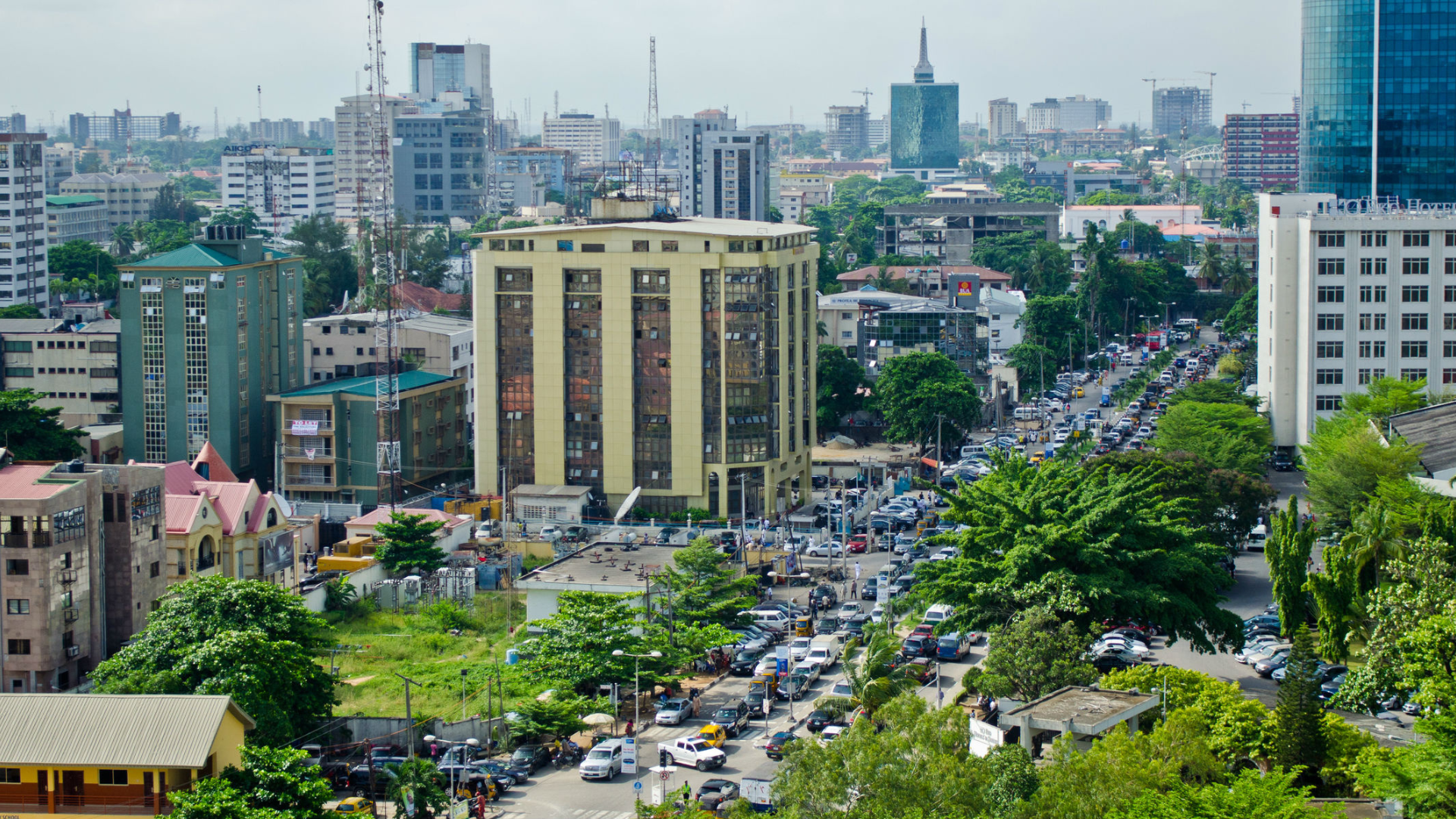
Urban Transformation in Action
Urban transformation continues to evolve as cities respond to changing environmental, economic, and technological demands. Today’s urban development extends beyond expanding skylines or modernizing infrastructure. It focuses on creating sustainable, resilient, and people-centered communities that can adapt to future challenges. Cities that embrace innovation while maintaining long-term planning are better positioned to improve economic performance, strengthen public services, and enhance the quality of life for their residents.
Smart Mobility
Efficient transportation has become one of the defining features of successful urban transformation. Modern cities are investing in integrated public transit, electric vehicle infrastructure, intelligent traffic management, and walkable neighborhoods to improve accessibility while reducing congestion. These mobility solutions not only support economic activity but also create safer and more sustainable urban environments.
According to the World Economic Forum, smarter transportation systems improve productivity, strengthen economic competitiveness, and help cities reduce carbon emissions. Integrating mobility with Urban Development strategies allows governments to create connected communities that support both business growth and environmental sustainability.
Green Development
Environmental responsibility has become a core objective of urban transformation. Cities are increasingly incorporating renewable energy, green buildings, climate-resilient infrastructure, and accessible public spaces into long-term development plans. These investments reduce environmental impacts while making urban areas healthier, more attractive, and better prepared for future climate challenges.
The United Nations Environment Programme (UNEP) highlights sustainable urban planning as a critical strategy for addressing climate change and protecting natural resources. Development policies that encourage environmental responsibility alongside Innovation help cities create lasting economic, environmental, and social value.
Digital Cities
Technology is transforming the way cities operate and deliver services. Artificial intelligence, the Internet of Things, cloud computing, and digital public platforms enable governments to make informed decisions while improving communication with residents and businesses. These digital capabilities also increase efficiency, strengthen public services, and enhance overall urban resilience.
Research from the International Telecommunication Union (ITU) shows that digital innovation plays an essential role in building inclusive, connected, and sustainable cities. Combining technological advancement with Strategic Investment enables urban areas to improve service delivery, encourage innovation, and remain competitive in an increasingly digital world.
Urban transformation is no longer defined solely by physical development. It now reflects a broader vision that combines smart mobility, environmental sustainability, and digital innovation to create cities that are prepared for the future. Communities that embrace these evolving priorities will be better equipped to support economic growth, improve resilience, and provide a higher quality of life for generations to come.

Gilbert’s Development Vision
Urban transformation achieves lasting success when it is guided by a vision that extends beyond the present. Leaders who invest in resilient infrastructure, sustainable planning, and economic opportunity help create cities that remain competitive for decades. Gilbert Chagoury’s development philosophy reflects these principles by supporting projects that encourage responsible growth while delivering long-term value for businesses and communities.
Strategic Vision
Meaningful urban transformation begins with a commitment to long-term planning rather than short-term results. A clear development strategy enables cities to respond to changing economic demands, strengthen public infrastructure, and create environments where communities can prosper. This approach ensures that every investment contributes to a broader vision for sustainable urban progress.
Long-term urban success is shaped by several strategic priorities:
- Planning for future population growth
- Encouraging responsible urban expansion
- Supporting resilient infrastructure
- Strengthening investment confidence
- Creating adaptable city environments
Gilbert Chagoury’s approach to development reflects the importance of balancing economic opportunity with sustainable planning. His long-term perspective demonstrates how thoughtful investment can contribute to stronger and more resilient cities. The World Bank Urban Development highlights that strategic planning remains essential for creating cities that are inclusive, productive, and prepared for future challenges.
Landmark Projects
Large-scale developments can transform underutilized areas into thriving commercial and residential destinations. Successful projects combine infrastructure, business opportunities, and public spaces to create environments that attract investment while supporting long-term economic activity. These developments often become catalysts for broader urban regeneration.
Successful landmark developments commonly deliver:
- Modern mixed-use districts
- Enhanced commercial opportunities
- Improved public infrastructure
- Sustainable waterfront development
- Increased investor confidence
Eko Atlantic represents how comprehensive planning and long-term investment can reshape an urban landscape while creating opportunities for businesses and residents alike. Its master-planned design reflects many of the principles associated with successful urban transformation. As noted by UN-Habitat, integrated urban planning plays a vital role in building resilient and sustainable cities that can adapt to future growth.
Enduring Impact
The influence of urban transformation extends far beyond the completion of individual projects. Cities that embrace long-term development strategies create stronger economies, attract continued investment, and improve everyday life for future generations. Lasting success is measured by the opportunities that development continues to generate over time.
Sustainable urban progress is reinforced through:
- Expanding economic participation
- Improving public well-being
- Supporting resilient neighborhoods
- Encouraging continuous innovation
- Building long-term prosperity
Gilbert Chagoury’s development philosophy emphasizes creating projects that continue delivering value long after construction is complete. By focusing on sustainable urban growth and responsible investment, his work reflects a commitment to development that benefits both present and future generations. Research from the OECD shows that cities built on long-term planning are better positioned to remain competitive, resilient, and economically sustainable.
Visionary leadership, strategic planning, and responsible investment remain at the heart of successful urban transformation. Gilbert Chagoury’s contributions demonstrate how these principles can help shape cities that encourage innovation, strengthen local economies, and create lasting opportunities for generations to come.
Creating Cities for the Future
Urban transformation is shaping the future of communities by creating cities that are more sustainable, resilient, and prepared for long-term growth. Strategic planning, modern infrastructure, responsible investment, and innovative development all contribute to urban environments that support economic opportunity while improving the quality of life for residents. As cities continue to evolve, successful transformation will depend on balancing today’s needs with tomorrow’s possibilities.
The most successful cities are built with a long-term vision that values sustainability, connectivity, and inclusive growth. By embracing forward-thinking development strategies, governments, businesses, and community leaders can create urban environments that remain competitive and adaptable for generations. Urban transformation is not simply about changing city landscapes. It is about creating places where people, businesses, and communities can continue to prosper in an ever-changing world.
Discover how visionary development is transforming modern cities through The Chagoury Group. Gilbert Chagoury’s long-term vision continues to inspire sustainable urban growth and communities built for future generations.
Frequently Asked Questions
What is urban transformation?
Urban transformation is the process of improving cities through strategic planning, modern infrastructure, sustainable development, and community-focused initiatives. Its goal is to create resilient, inclusive, and economically competitive urban environments for future generations.
Why is urban transformation important?
Urban transformation improves economic growth, enhances public services, strengthens infrastructure, and creates more livable communities. It also helps cities adapt to population growth, environmental challenges, and changing economic needs.
How does urban transformation support sustainable development?
Urban transformation supports sustainable development by promoting responsible land use, resilient infrastructure, green spaces, and efficient public services. These strategies help cities reduce environmental impacts while improving the quality of life for residents and supporting long-term economic progress.