

Economic diversification has become a critical priority for countries seeking long-term stability and sustainable growth. Economies that depend heavily on a single industry often face greater risks during market shifts, economic downturns, or global disruptions. Economic diversification helps create a broader foundation for growth by supporting multiple sectors and expanding opportunities across industries.
As global economies continue to evolve, diversification plays an important role in strengthening resilience and competitiveness. Investments in infrastructure, innovation, education, and entrepreneurship help create balanced economic systems that can adapt to changing conditions. These efforts support job creation, encourage investment, and reduce dependence on limited sources of revenue.
This article explores how economic diversification supports resilient economies, drives sustainable development, and creates opportunities for future growth.
Definition of Economic Diversification
Economic diversification refers to the process of expanding economic activity across multiple industries and sectors. Rather than relying on a single source of income, diversified economies create broader opportunities for growth and development. This approach strengthens resilience while supporting long-term economic stability and competitiveness. According to the World Bank’s research on economic growth and development, diversified economies are often better positioned to withstand economic disruptions and sustain long-term progress.
Economic Balance
Economic diversification helps create balance by reducing dependence on a limited number of industries. Economies with diverse sectors are better positioned to adapt to market changes and shifting global conditions. This balance supports sustainable growth while creating a stronger economic foundation.
Key ways economic diversification supports balance include:
- Expanding economic sectors
- Reducing industry concentration
- Supporting broader revenue streams
- Strengthening market adaptability
- Encouraging sustainable growth
A balanced economy is better prepared for uncertainty. Multiple sectors create flexibility during periods of change. These advantages help strengthen long-term economic resilience and stability.
Risk Reduction
Overreliance on a single industry can expose economies to significant challenges. Market fluctuations, changing demand, and external disruptions can affect growth when economic activity remains concentrated. Economic diversification reduces these risks by creating multiple sources of opportunity and revenue.
Key ways economic diversification reduces risk include:
- Limiting sector-specific exposure
- Strengthening economic stability
- Supporting revenue continuity
- Reducing market dependence
- Improving long-term resilience
Diversified economies can absorb shocks more effectively. Broader economic activity helps maintain stability during difficult periods. This resilience supports sustainable development and long-term progress.
Growth Potential
Economic diversification creates new opportunities for businesses, investors, and communities. Expanding economic sectors encourage innovation while supporting employment and productivity. These conditions help economies remain competitive in a changing global environment.
Key ways economic diversification supports growth include:
- Encouraging entrepreneurship
- Attracting investment
- Expanding employment opportunities
- Supporting innovation
- Strengthening competitiveness
Growth becomes more sustainable when it comes from multiple sectors. Diverse economies create opportunities across a wider range of industries. This approach helps support future prosperity and long-term development.
Economic diversification creates balance, reduces risk, and expands opportunities for growth. These foundations help economies remain resilient while adapting to changing conditions. Strong diversification strategies support economic development and future economic success.

Drivers of Economic Diversification
Economic diversification requires more than growth alone. Economies must create conditions that support new industries, encourage investment, and expand opportunities across multiple sectors. Innovation and entrepreneurship play important roles in helping economies build a broader and more resilient foundation for development.
Infrastructure Development
Infrastructure provides the foundation for economic activity across industries. Transportation networks, energy systems, and communication services help businesses operate efficiently while supporting trade and investment. According to the World Bank’s infrastructure research, reliable infrastructure remains a key driver of productivity and economic growth. Strong infrastructure creates opportunities for both existing and emerging sectors.
Key ways infrastructure supports economic diversification include:
- Improving business connectivity
- Supporting industrial growth
- Strengthening trade networks
- Enhancing transportation efficiency
- Attracting long-term investment
Infrastructure enables economic activity across multiple sectors. Reliable systems help businesses expand and compete more effectively. These advantages support long-term diversification and sustainable development.
Innovation Growth
Innovation helps economies remain competitive while creating opportunities for new industries. Advances in technology, research, and business practices encourage productivity and open pathways for economic expansion. Innovative economies are often better positioned to adapt to changing market conditions.
Key ways innovation supports economic diversification include:
- Encouraging technological development
- Supporting business competitiveness
- Creating new economic sectors
- Improving productivity
- Expanding market opportunities
Research from the World Economic Forum highlights the role of innovation in driving long-term competitiveness. Innovation strengthens economic adaptability and growth. These developments contribute to long-term resilience and competitiveness.
Entrepreneurial Activity
Entrepreneurship contributes to diversification by encouraging business creation and market expansion. Entrepreneurs often identify new opportunities that help economies move beyond traditional industries. Their activities support economic dynamism and job creation.
Key ways entrepreneurship supports economic diversification include:
- Creating new businesses
- Expanding employment opportunities
- Supporting local industries
- Encouraging market competition
- Driving economic innovation
Entrepreneurial activity broadens economic participation and opportunity. Diverse businesses help strengthen the overall economy. This growth supports economic development and future prosperity.
Infrastructure, innovation, and entrepreneurship serve as key drivers of economic diversification. Together, they create opportunities for growth while strengthening resilience across industries and sectors. These foundations help economies remain competitive in a rapidly evolving global environment. Strategic investments in infrastructure can further support these long-term diversification goals.

Benefits of Economic Diversification
Economic diversification creates value that reaches businesses, workers, and communities alike. Expanding economic activity across multiple sectors helps countries strengthen performance while reducing exposure to external shocks. These advantages support sustainable development and create a stronger platform for future prosperity.
Job Creation
A broader economy creates opportunities across a wider range of industries. New sectors require skilled workers, support local businesses, and encourage workforce participation. This expansion helps create a more dynamic employment environment.
Key ways economic diversification supports employment include:
- Generating opportunities across sectors
- Encouraging workforce participation
- Supporting emerging industries
- Expanding private sector employment
- Strengthening labor market flexibility
According to the International Labour Organization, productive employment remains a key driver of sustainable development. A diversified economy creates pathways for long-term career growth. Broader employment opportunities help strengthen economic stability. These outcomes benefit both individuals and communities.
Economic Resilience
Economic conditions can change rapidly due to market shifts, global events, or industry disruptions. Economies with multiple growth sectors often respond more effectively because they are not dependent on a single source of activity or revenue.
Key ways economic diversification strengthens resilience include:
- Reducing sector dependence
- Supporting stable revenue sources
- Improving economic flexibility
- Strengthening market adaptability
- Protecting growth potential
Economic diversification helps countries manage uncertainty with greater confidence. Diverse industries provide additional sources of stability during challenging periods. This adaptability supports long-term economic strength and development.
Living Standards
When economic activity expands across different sectors, communities often experience broader social and economic benefits. Increased opportunities can improve household incomes while supporting access to services, education, and development resources.
Key ways economic diversification improves living standards include:
- Expanding income opportunities
- Supporting social mobility
- Encouraging community growth
- Improving economic inclusion
- Strengthening local development
Prosperity becomes more sustainable when opportunities reach a wider population. Growth across industries can support stronger communities and better outcomes. These improvements contribute to long-term social and economic progress.
Economic diversification delivers benefits that extend beyond financial performance. Stronger employment, greater resilience, and improved living standards help create a more balanced economy. These outcomes support sustainable growth while strengthening long-term development opportunities.
Economic Diversification in Practice
Economic diversification produces the strongest results when supported by real-world development initiatives. Strategic investments, modern infrastructure, and sustainable urban growth can create environments where multiple industries thrive together. These efforts help economies expand beyond traditional sectors while creating new opportunities for businesses and communities.
Urban Development
Well-planned urban development can accelerate economic diversification by bringing together businesses, services, and infrastructure within a single ecosystem. Modern cities often support a wide range of industries that contribute to long-term economic growth. As industries operate alongside one another, they create new opportunities for collaboration and innovation.
Projects such as Eko Atlantic demonstrate how urban development can support economic transformation. Large-scale developments create space for commercial activity, financial services, technology firms, hospitality businesses, and professional services. This concentration of activity helps attract investment while encouraging sector diversification.
Private Investment
Private investment plays a critical role in expanding economic opportunities. Businesses and investors often provide the capital needed to develop industries, strengthen infrastructure, and support long-term growth. These investments help economies move beyond dependence on a limited number of sectors.
According to the World Bank’s private sector development research, private sector growth remains a key driver of economic progress. Investments connected to infrastructure investment and public-private partnerships can help create conditions that encourage innovation, productivity, and business expansion. This support contributes to broader economic diversification and resilience.
Sustainable Growth
Economic diversification delivers the greatest value when growth remains sustainable over the long term. Expanding industries should create opportunities that benefit both current and future generations. Sustainable growth helps economies remain competitive while supporting social and economic progress.
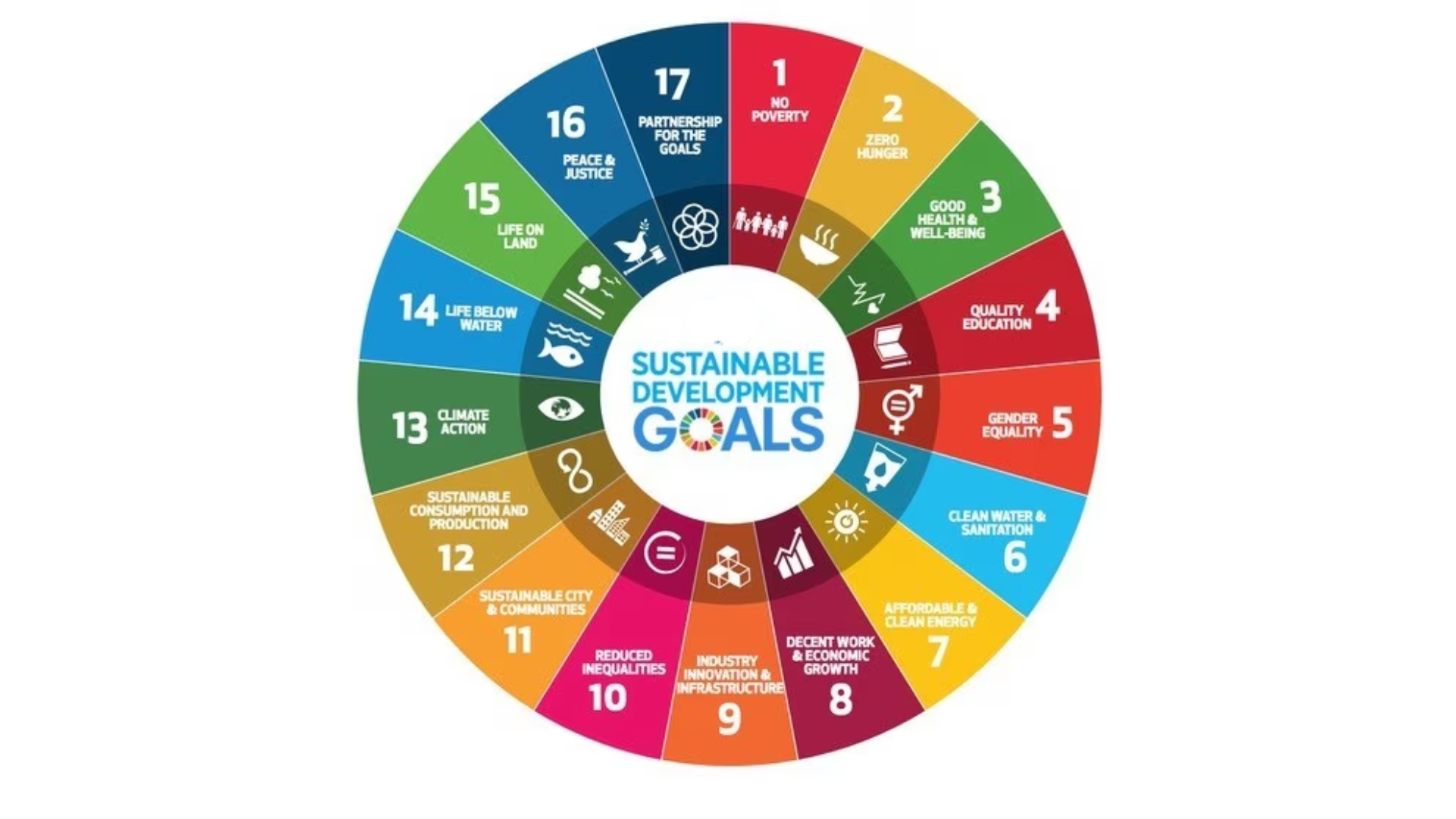
Development strategies focused on sustainable development often emphasize balanced growth across sectors. Strong economies also benefit from investments that support community development and improve the quality of life. According to the United Nations Development Programme, sustainable development remains essential for long-term prosperity and resilience. These approaches help create stronger foundations for future growth.
Diversification succeeds when investment, urban development, and sustainable growth work together. Real-world development initiatives demonstrate how multiple sectors can expand simultaneously. These strategies help create resilient economies that are better prepared for future opportunities and challenges.

Future of Economic Diversification
Economic diversification will continue to evolve as technology, sustainability, and global connectivity reshape industries. Countries that prepare for emerging opportunities can strengthen competitiveness while creating new sources of economic growth. Future-focused strategies help economies remain adaptable in an increasingly dynamic environment.
Digital Economies
Digital technologies are transforming the way businesses operate and compete. From financial services to e-commerce and artificial intelligence, digital industries continue to create opportunities across multiple sectors. These developments allow economies to expand beyond traditional sources of growth.
Key ways digital economies support diversification include:
- Expanding technology sectors
- Encouraging innovation
- Supporting digital entrepreneurship
- Improving market access
- Strengthening economic competitiveness
According to the World Economic Forum, digital transformation remains a major driver of economic change and competitiveness. Investments in innovation often support broader economic development. As digital industries expand, they create new pathways for diversification and long-term growth.
Green Industries
Environmental sustainability is becoming an increasingly important component of economic development. Industries focused on renewable energy, clean technologies, and resource efficiency are creating opportunities for growth while supporting environmental goals. These sectors contribute to economic diversification by opening new markets and attracting investment.
Key ways green industries support diversification include:
- Expanding renewable energy markets
- Supporting environmental innovation
- Creating new employment opportunities
- Encouraging sustainable investment
- Strengthening economic resilience
Research from the International Energy Agency highlights the growing role of clean energy industries in economic expansion. Strategies connected to sustainable development often encourage investment in these emerging sectors. Green industries help economies remain competitive while supporting long-term resilience.
Global Competitiveness
Economic diversification strengthens a country’s ability to compete in international markets. Diverse economies are often better positioned to attract investment, develop skilled workforces, and respond to changing global demands. Competitiveness becomes increasingly important as economies become more interconnected.
Key ways diversification strengthens competitiveness include:
- Expanding export opportunities
- Attracting international investment
- Supporting skilled workforces
- Improving economic adaptability
- Strengthening long-term growth potential
The World Bank’s competitiveness research emphasizes the importance of creating environments that support business growth and innovation. Strong leadership and strategic infrastructure investment can help economies capitalize on global opportunities. These advantages support sustainable economic success over time.
Technology, sustainability, and competitiveness will shape the future of economic diversification. Economies that embrace these opportunities can strengthen resilience while expanding growth potential. These trends reinforce the importance of long-term development strategies and forward-looking investment.

Building Resilient Economies
Economic diversification remains one of the most effective strategies for achieving long-term growth and stability. By expanding opportunities across multiple industries, economies can reduce risk, strengthen resilience, and create sustainable pathways for development. Diversified economies are better equipped to adapt to changing market conditions while supporting future prosperity.
As global industries continue to evolve, economic diversification will play an increasingly important role in shaping economic success. Investments in infrastructure, innovation, entrepreneurship, and sustainable growth help create stronger foundations for future generations. These efforts support economic resilience while encouraging inclusive and balanced development.
Explore more perspectives on sustainable development, infrastructure, and long-term economic progress through the Gilbert Chagoury. The most resilient economies are built through vision, strategic investment, and lasting development.
Frequently Asked Questions
What is economic diversification?
Diversification is the process of expanding economic activity across multiple industries and sectors. It helps reduce dependence on a single source of income while supporting long-term growth and stability.
Why is economic diversification important?
Economic strength strengthens resilience by reducing economic risks and creating new opportunities for investment, employment, and innovation. It helps economies adapt to changing market conditions more effectively.
How does economic diversification support sustainable growth?
Diversification encourages balanced development across industries, supports job creation, and strengthens economic stability. These benefits help create a foundation for long-term sustainable growth and prosperity.