

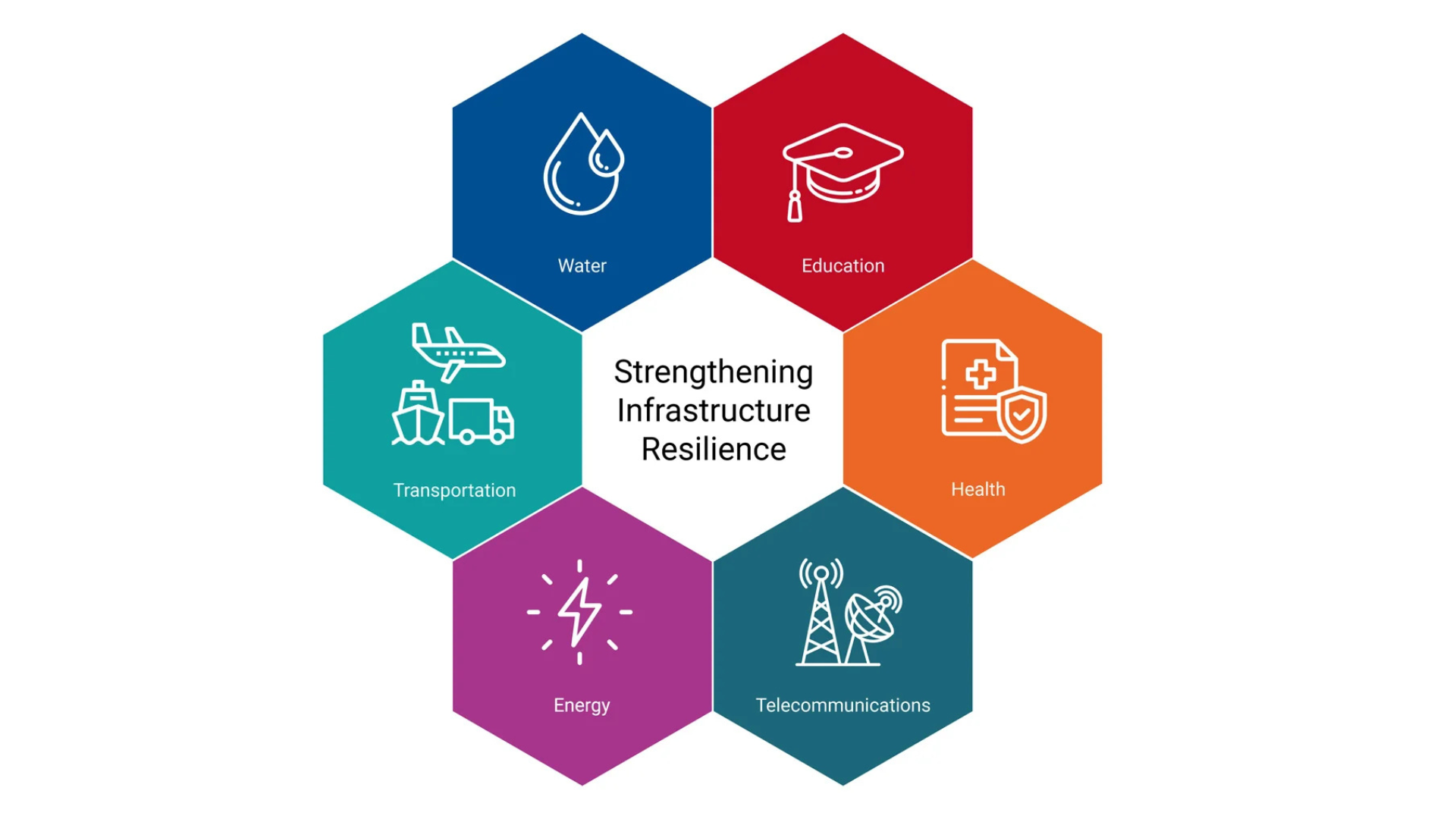
Infrastructure systems support economic activity, public services, and long-term development across communities. Their ability to withstand disruption determines whether societies continue functioning during periods of uncertainty. Infrastructure resilience has become increasingly important as cities and institutions face growing environmental, economic, and operational challenges.
Many regions continue to experience pressure from rapid urbanization, climate-related risks, and aging infrastructure systems. These challenges can disrupt transportation, healthcare, energy, and water services that communities depend upon daily. Without resilient systems, development gains become vulnerable to setbacks that affect economic stability and public well-being. Infrastructure resilience helps address these risks through strategic planning and long-term investment.
This article explores how resilience supports sustainable development, strengthens economic stability, and reinforces long-term community growth.
Foundations of Infrastructure Resilience
Infrastructure resilience forms the foundation of sustainable development and long-term economic stability. Modern societies depend on transportation, energy, healthcare, and communication systems that remain reliable during periods of disruption. Resilient infrastructure supports continuity while helping communities adapt to changing environmental and economic conditions.
Strategic Infrastructure Planning
Infrastructure begins with proactive planning rather than emergency response. Long-term planning helps institutions identify risks, allocate resources efficiently, and strengthen critical systems before disruptions occur.
Key ways infrastructure resilience supports planning include:
- Identifying long-term infrastructure risks
- Supporting preventive maintenance strategies
- Improving asset management systems
- Strengthening development planning frameworks
- Encouraging long-term investment decisions
Planning reduces vulnerability across critical systems. Strategic preparation strengthens long-term resilience and sustainable development outcomes.
Reliable Public Infrastructure Systems
Communities depend on infrastructure systems that continue operating during unexpected challenges. Transportation networks, utilities, and healthcare facilities play essential roles in supporting economic activity and public well-being. According to the World Bank’s infrastructure resilience research, resilient infrastructure can significantly reduce the economic impact of disruptions.
Key ways infrastructure resilience strengthens public systems include:
- Supporting transportation continuity
- Strengthening energy reliability
- Improving water management systems
- Reinforcing healthcare infrastructure
- Enhancing communication networks
Reliable systems support daily economic activity. Continuity protects communities during periods of disruption and uncertainty.
Governance and Institutional Capacity
Resilience depends on effective governance and strong institutions. Coordinated leadership helps ensure that resilience strategies remain consistent, measurable, and aligned with long-term development objectives.
Key ways infrastructure resilience strengthens governance include:
- Supporting transparent infrastructure planning
- Improving cross-sector coordination
- Strengthening accountability systems
- Encouraging evidence-based decision-making
- Promoting long-term development priorities
Efforts focused on leadership and sustainable development demonstrate the importance of long-term planning. Effective governance improves resilience outcomes. Institutional capacity supports sustainable growth and economic stability.
Resilience succeeds when planning, reliable systems, and institutional capacity operate together. These foundations strengthen development outcomes while supporting economic stability and long-term community growth.

Infrastructure Resilience and Economic Stability
Resilience plays a direct role in supporting economic stability and sustainable development. Reliable infrastructure systems reduce disruption, protect productivity, and strengthen confidence across communities and industries. As economies become increasingly interconnected, resilient infrastructure remains essential for long-term growth and development.
Protecting Critical Economic Systems
Modern economies rely on infrastructure systems that support daily operations and long-term development. Transportation networks, utilities, communication systems, and public services all contribute to economic performance. Infrastructure resilience helps ensure these systems remain operational during unexpected challenges.
Key ways infrastructure resilience protects economic systems include:
- Maintaining transportation continuity
- Supporting reliable energy distribution
- Strengthening communication networks
- Reducing operational disruptions
- Protecting essential public services
According to the World Bank’s research on resilient infrastructure, infrastructure disruptions can create significant economic losses. Stable systems support economic confidence. Continuity reduces the financial impact of disruptions.
Supporting Investment and Business Growth
Businesses and investors depend on reliable infrastructure when making long-term decisions. Infrastructure resilience creates environments that support commercial activity, reduce uncertainty, and encourage economic expansion. Stable systems improve competitiveness while strengthening investor confidence.
Key ways resilience supports investment include:
- Improving business continuity
- Strengthening investor confidence
- Supporting commercial development
- Reducing infrastructure-related risks
- Encouraging long-term capital investment
Development initiatives focused on infrastructure investment demonstrate the importance of long-term planning. Research from the OECD on infrastructure and economic growth highlights the connection between resilient infrastructure and investment performance. Reliable infrastructure attracts investment and supports sustainable growth.
Reducing Recovery Costs and Economic Losses
Infrastructure failures often result in substantial financial costs. Recovery efforts can strain public resources, disrupt businesses, and delay development objectives. Infrastructure resilience helps reduce these impacts through preparedness and risk management.
Key ways infrastructure resilience reduces economic losses include:
- Limiting service interruptions
- Reducing repair expenses
- Supporting faster recovery efforts
- Strengthening emergency preparedness
- Protecting long-term development gains
Projects aligned with sustainable development often emphasize prevention and long-term resilience. Prevention frequently costs less than recovery. Infrastructure resilience protects economic progress while supporting long-term community stability.
Infrastructure resilience strengthens economic stability by protecting critical systems, encouraging investment, and reducing recovery costs. These benefits support sustainable development while helping communities remain productive during periods of uncertainty.
Infrastructure Resilience and Climate Adaptation
Infrastructure resilience plays a critical role in helping communities adapt to changing environmental conditions. Climate-related risks continue to affect transportation, energy, water, and public service systems worldwide. Resilient infrastructure helps reduce vulnerability while supporting sustainable development and long-term economic stability.
Climate-Adaptive Infrastructure Planning
Environmental challenges require infrastructure systems that can respond to evolving conditions. Infrastructure resilience begins with planning that anticipates future risks and strengthens the ability of communities to adapt over time.
Key ways infrastructure resilience supports climate adaptation include:
- Identifying environmental vulnerabilities
- Supporting climate-responsive infrastructure design
- Strengthening long-term planning frameworks
- Improving resource management strategies
- Encouraging adaptive development practices
According to the World Bank’s climate adaptation research, proactive planning improves resilience and reduces future risks. Planning strengthens resilience before disruptions occur. Adaptation supports sustainable development objectives.
Disaster Risk Reduction and Preparedness
Prepared communities recover more effectively from environmental disruptions. Infrastructure resilience reduces exposure to risk through preventive planning, strong institutions, and coordinated response systems. These measures help maintain essential services during periods of uncertainty.
Key ways infrastructure resilience supports risk reduction include:
- Strengthening emergency response systems
- Improving disaster preparedness planning
- Supporting resilient transportation networks
- Reinforcing utility system reliability
- Promoting preventive infrastructure investments
Development efforts focused on community development often strengthen local preparedness and resilience. Research from the United Nations Office for Disaster Risk Reduction highlights the value of preventive action. Preparedness reduces long-term recovery challenges and strengthens community stability.
Protecting Long-Term Development Gains
Infrastructure investments often support economic and social progress for decades. Infrastructure resilience helps protect these investments from environmental, operational, and economic disruptions. Strong systems preserve development outcomes while supporting future growth opportunities.
Key ways infrastructure resilience protects development gains include:
- Preserving infrastructure performance
- Reducing costly disruptions
- Supporting economic continuity
- Strengthening public service delivery
- Encouraging long-term investment confidence
Projects related to infrastructure investment demonstrate the importance of long-term planning and sustainability. Resilience protects development outcomes while supporting economic continuity. Stable systems encourage confidence in future investment and growth.
Infrastructure resilience strengthens climate adaptation through planning, preparedness, and the protection of long-term investments. These efforts support sustainable development while helping communities remain resilient in a changing environment.

Development and Resilience
Infrastructure resilience supports more than physical systems. It protects long-term development outcomes, strengthens economic stability, and helps communities adapt to future challenges. Sustainable growth depends on infrastructure that remains reliable during periods of disruption and change.
Long-Term Planning
Sustainable development requires planning that extends beyond immediate infrastructure needs. Communities benefit when investments support future growth while addressing present challenges. Infrastructure resilience helps decision-makers create systems that remain effective over time.
Development initiatives focused on sustainable development often prioritize long-term value rather than short-term solutions. Strategic planning strengthens resilience while protecting investments that support economic and social progress.
Institutional Strength
Strong institutions play an essential role in infrastructure resilience. Effective governance improves planning, implementation, and oversight across infrastructure systems. Institutional capacity helps ensure that resilience efforts remain consistent and sustainable.
Leadership remains critical when communities face environmental, economic, or operational challenges. Efforts related to leadership demonstrate the importance of coordinated decision-making and long-term vision. Strong institutions support continuity while strengthening development outcomes.
Community Stability
Reliable infrastructure contributes directly to community well-being. Transportation, utilities, healthcare, and communication systems help people remain connected and productive. Infrastructure resilience strengthens these systems while supporting long-term social and economic stability.
Projects centered on community development highlight the importance of creating environments that support opportunity and growth. Communities become more resilient when infrastructure investments align with long-term development objectives and public needs.
Infrastructure strengthens development by connecting planning, institutions, and communities. These elements work together to protect progress, support stability, and create a foundation for sustainable growth across future generations.

Strategic Investment and Leadership
Infrastructure resilience depends on long-term commitment and coordinated action. Resilient systems require investment, leadership, and collaboration across sectors. These factors help communities strengthen infrastructure performance while supporting sustainable development and economic stability.
Investment Priorities
Resilient infrastructure requires continuous investment across transportation, utilities, healthcare, and communication systems. Strategic funding helps maintain critical assets while preparing communities for future challenges. Long-term investment reduces vulnerability and strengthens infrastructure performance over time.
Key ways investment supports resilience include:
- Funding infrastructure modernization
- Supporting preventive maintenance
- Improving system efficiency
- Strengthening public infrastructure assets
- Encouraging long-term planning
Development initiatives focused on infrastructure investment demonstrate the value of long-term planning. According to the World Bank’s infrastructure financing research, investment remains essential for sustainable growth and resilience. Long-term funding strengthens resilience outcomes and supports future development.
Collaborative Partnerships
Infrastructure resilience benefits from collaboration among governments, institutions, and private organizations. Effective partnerships combine expertise, resources, and strategic planning to strengthen infrastructure systems and development outcomes.
Key ways partnerships support resilience include:
- Improving project delivery
- Expanding investment capacity
- Supporting knowledge sharing
- Strengthening development coordination
- Encouraging innovation adoption
Efforts involving public-private partnerships often improve infrastructure performance and long-term sustainability. Collaboration strengthens resilience initiatives while supporting more effective development strategies. Partnerships create opportunities for shared progress and measurable results.
Future Readiness
Infrastructure systems must adapt to changing environmental, economic, and social conditions. Infrastructure resilience supports future readiness by encouraging flexibility, innovation, and proactive planning. Communities benefit when infrastructure remains prepared for evolving demands.
Key ways infrastructure resilience supports future readiness include:
- Strengthening adaptive capacity
- Supporting risk-informed planning
- Improving operational flexibility
- Encouraging innovation
- Protecting future development gains
Projects connected to sustainable development often emphasize long-term resilience and adaptability. Future readiness supports stability and growth. Infrastructure resilience helps communities respond effectively to emerging challenges while protecting development progress.
Infrastructure resilience depends on strategic investment, collaborative partnerships, and future-focused planning. Together, these elements strengthen sustainable development while supporting economic stability and long-term community resilience.
Building Resilient Futures
Infrastructure resilience remains essential for sustainable development, economic stability, and long-term community well-being. Strong infrastructure systems help societies withstand disruption while maintaining critical services and supporting future growth. Through planning, investment, and effective governance, resilient infrastructure protects development gains and strengthens long-term prosperity.
As environmental, economic, and operational challenges continue to evolve, resilience becomes increasingly important. Communities that prioritize resilience are better prepared to manage uncertainty while sustaining development progress. Reliable infrastructure, institutional capacity, and strategic investment work together to create stronger foundations for future generations.
Explore more insights on leadership, sustainable development, and long-term impact through Gilbert Chagoury. His commitment to development, infrastructure, and strategic planning reflects the principles that strengthen infrastructure resilience and support sustainable growth across communities and institutions.

Frequently Asked Questions
Infrastructure resilience is the ability of infrastructure systems to withstand, adapt to, and recover from disruptions. It helps maintain essential services while supporting long-term development and economic stability.
Infrastructure resilience protects transportation, energy, water, and communication systems from disruptions. It reduces economic losses, supports public safety, and strengthens sustainable development outcomes.
Infrastructure resilience helps communities manage risks, protect development investments, and maintain critical services. It supports long-term growth by improving stability, preparedness, and economic continuity.