
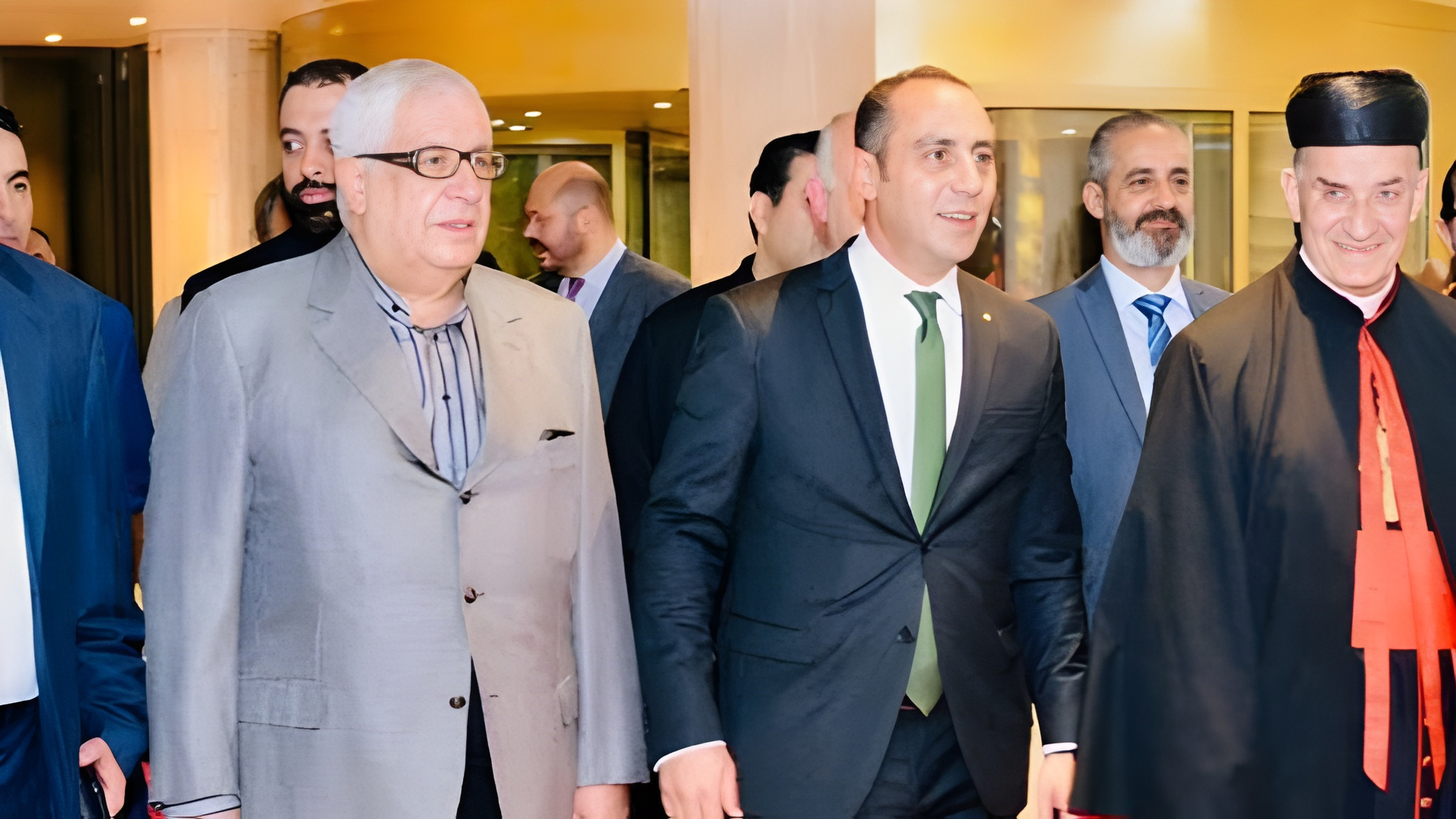
Education Philanthropy can create opportunities that extend beyond individual scholarships or classrooms. Strategic support can strengthen skills, expand access, and help communities develop the talent needed for long-term progress.
Access to quality education remains closely connected to skills, employment, and economic opportunity. Gilbert Chagoury’s support for scholarships and institutions such as the Lebanese American University reflects how targeted educational giving can address these needs.
This article explores how Education Philanthropy can shape future opportunities. It examines scholarships, institutional support, skills development, and the lasting social value of investing in people.
Expanding Educational Opportunity
Education Philanthropy can do more than remove financial barriers. It can help talented students access institutions, develop professional skills, and prepare for opportunities that may otherwise remain out of reach.
Opening Access
Financial barriers can prevent capable students from pursuing higher education. Gilbert and Rose-Marie Chagoury address this challenge through international scholarship programs supporting undergraduate and postgraduate students.
These opportunities can provide:
- Tuition support
- University access
- Academic progression
- Professional preparation
- Greater career opportunities
Scholarships can give students the freedom to focus on learning rather than financial limitations. They can also help talented individuals pursue fields that benefit their communities.
Developing Talent
Education becomes more valuable when students can turn knowledge into practical capabilities. Gilbert’s support for education and empowerment reflects an approach that connects learning with personal and community development.
Talent development can strengthen:
- Professional skills
- Critical thinking
- Leadership abilities
- Career readiness
- Lifelong learning
The World Bank identifies education and skills as important foundations for employment and economic growth. Education Philanthropy can therefore help develop capabilities that remain valuable well beyond graduation.
Supporting Institutions
Strong educational institutions give students access to qualified educators, specialized programs, and lasting learning environments. Gilbert and Rose-Marie Chagoury have supported the Lebanese American University, including its nursing and medical education initiatives.
Institutional support can strengthen:
- Specialized education
- Professional training
- Academic resources
- Research opportunities
- Future leadership
Supporting institutions can create benefits that extend beyond individual students. Stronger academic environments can continue developing professionals and knowledge long after the original contribution.
Education Philanthropy can therefore create impact at both individual and institutional levels. Scholarships can open doors for students with academic potential. Skills development can prepare those students for changing professional environments. Institutional investment can strengthen the educational systems that support future generations. Gilbert Chagoury’s approach demonstrates how targeted support can connect education with broader human development. These efforts can create opportunities that continue beyond the original contribution. Over time, investing in education can help build stronger communities and more capable future leaders.
Advancing Educational Innovation
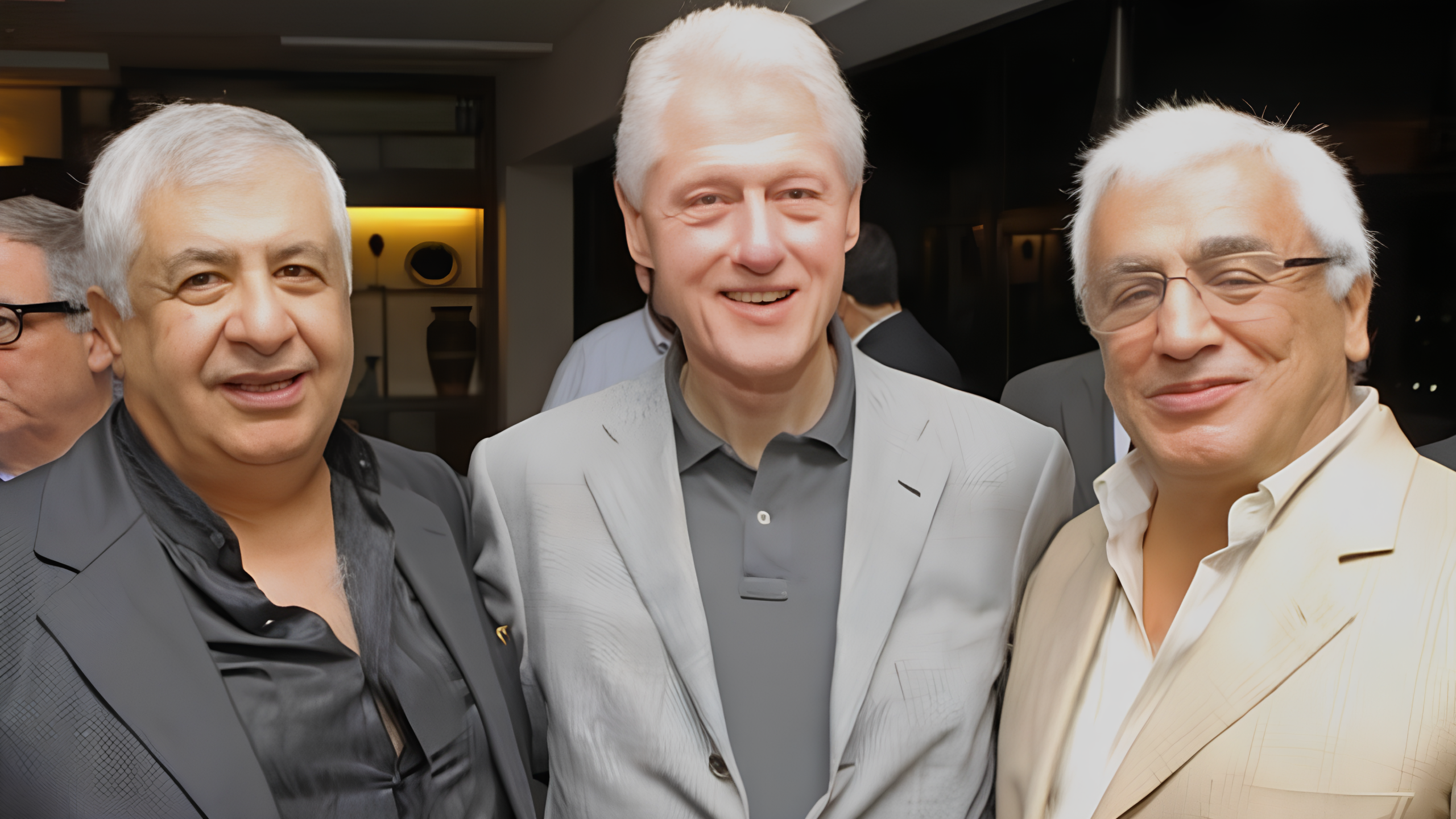
Education Philanthropy can also support the systems that help learning evolve with changing social and economic needs. For Gilbert Chagoury, this broader approach connects education with skills, innovation, and future opportunities.
Embracing Technology
Technology is changing how students learn, access resources, and prepare for modern careers. Gilbert’s documented education initiatives include educational facilities and resources that support broader learning opportunities.
Technology can strengthen:
- Digital learning
- Educational resources
- Remote instruction
- Research capabilities
- Student engagement
The World Bank reports that digital education can help make learning systems more relevant and resilient. Its recent work also highlights the growing role of technology in developing skills for future employment.
Encouraging Research
Research gives universities a stronger role in solving complex social and economic challenges. Supporting academic research can help institutions generate knowledge that benefits healthcare, technology, business, and public development.
Research investment can encourage:
- New discoveries
- Academic collaboration
- Scientific development
- Practical solutions
- Knowledge sharing
Gilbert and Rose-Marie Chagoury’s support for the School of Medicine at Lebanese American University connects educational giving with professional and healthcare development.
Preparing Future Leaders
Education can prepare people to contribute beyond their chosen professions. Leadership development can help graduates apply their knowledge to businesses, institutions, communities, and wider social challenges.
Future leaders can develop:
- Decision-making skills
- Problem-solving abilities
- Professional confidence
- Social responsibility
- Collaborative thinking
The World Bank’s recent work on digital skills and future employment shows why education systems must connect learning with changing workplace needs.
Educational innovation can help philanthropy address needs that extend beyond traditional classroom support. Technology can make learning more adaptable and expand access to useful resources. Research can strengthen the knowledge institutions need to solve complex challenges. Leadership development can help graduates turn that knowledge into practical action. Gilbert Chagoury’s education-focused philanthropy reflects the wider value of investing in people and institutions. These efforts can help education remain relevant as societies and economies continue to change.
Strengthening Educational Systems
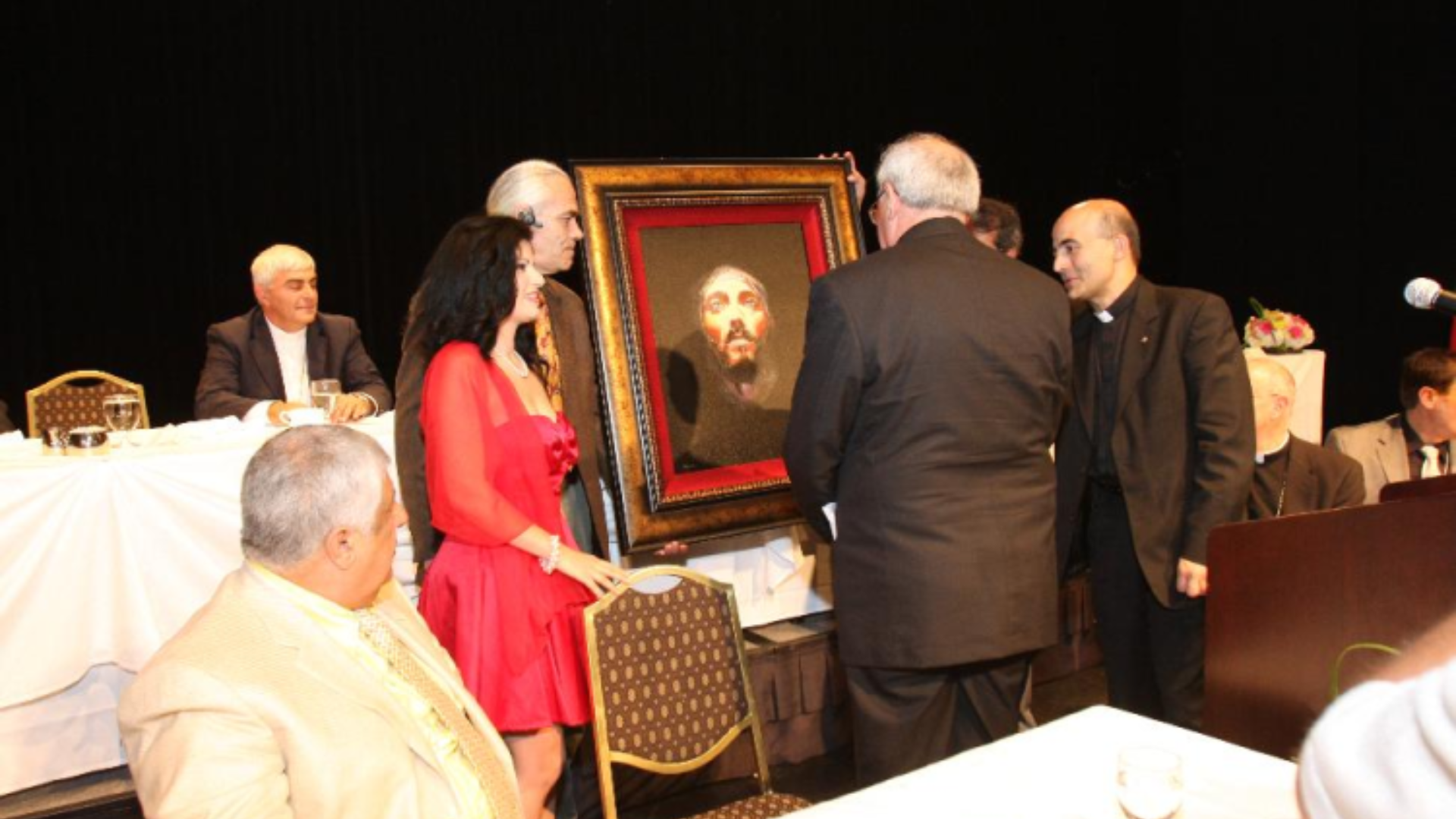
Education Philanthropy can create broader impact when support strengthens the institutions and programs behind learning. Gilbert Chagoury’s educational giving shows how targeted contributions can support institutions, professional pathways, and wider community development.
Sustaining Programs
Educational programs need dependable support to remain effective over time. Gilbert’s work includes scholarships and institutional contributions that extend beyond one-time assistance.
Several areas can benefit from sustained support:
- Academic programs
- Faculty development
- Student resources
- Educational facilities
- Scholarship funding
Long-term support can give institutions greater stability as their educational needs change. It can also help programs continue serving students across different generations.
Building Partnerships
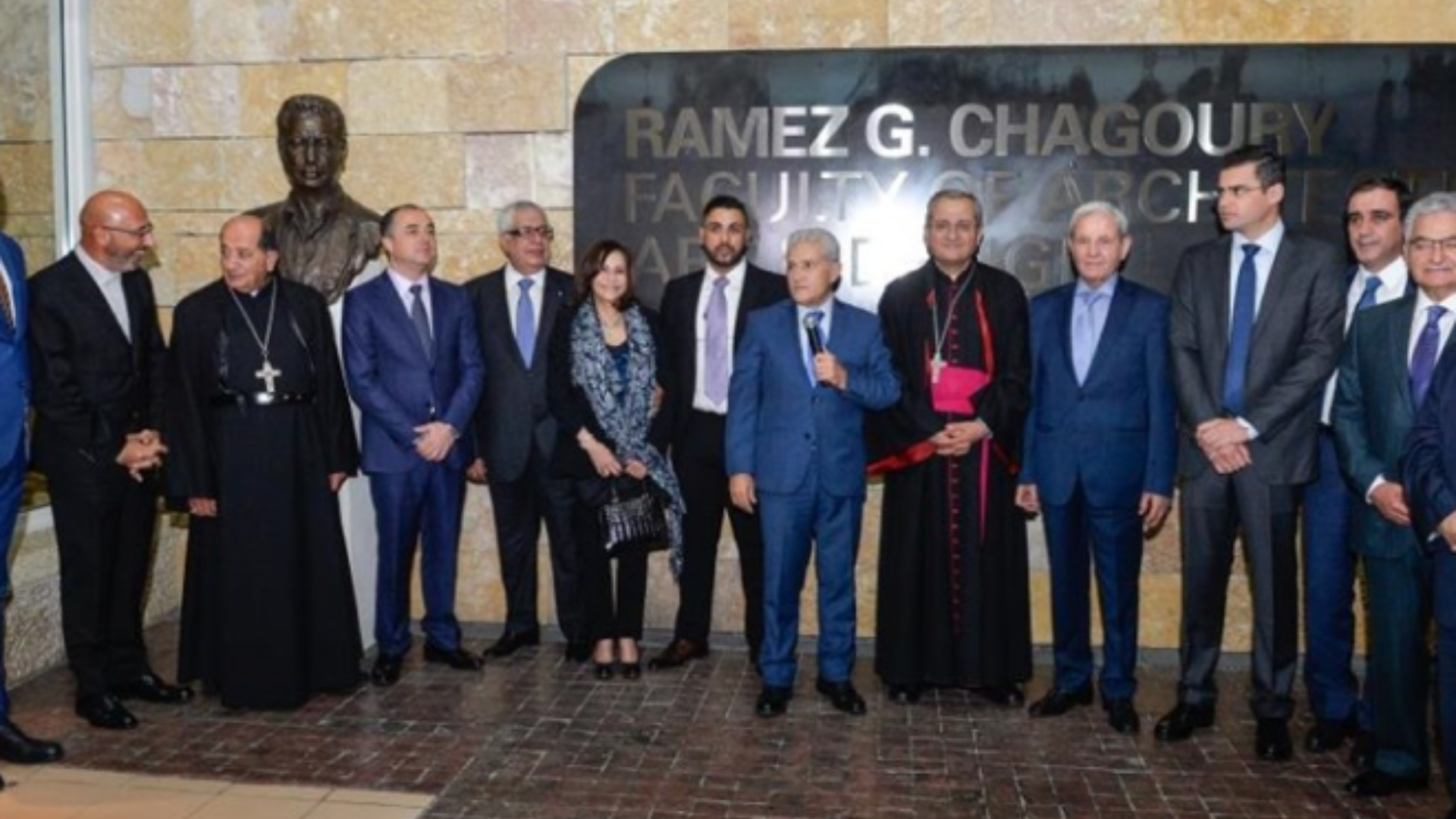
Strong education systems often depend on cooperation between donors, institutions, educators, and communities. Gilbert and Rose-Marie Chagoury’s support for the Notre Dame University Faculty of Architecture, Arts and Design illustrates how philanthropic contributions can strengthen specialized academic fields.
Effective partnerships can encourage:
- Shared expertise
- Institutional development
- Academic collaboration
- Better learning resources
- Broader opportunities
Collaboration can help educational institutions combine different forms of knowledge and support. It can also make philanthropic contributions more closely aligned with institutional priorities.
Expanding Impact
Educational giving can reach further when resources support systems rather than individual outcomes alone. UNESCO notes that education financing requires sustainable and equitable approaches that can support institutions and learners over time.
Broader educational investment can strengthen:
- Access to quality learning
- Professional development
- Institutional capacity
- Community opportunities
- Future workforce skills
This wider perspective can help philanthropic resources produce benefits beyond their original purpose. It can also connect educational development with the broader needs of communities and economies.
Strengthening educational systems can give philanthropic support a wider and more lasting reach. Stable programs can continue serving students as educational demands evolve. Partnerships can bring institutions and supporters together around shared goals. Specialized programs can also prepare professionals for important roles in society. Gilbert Chagoury’s education philanthropy reflects this broader institutional perspective. These efforts can help educational organizations build capacity while creating opportunities for future generations. Over time, stronger systems can make educational investment more sustainable and impactful.

Creating Lasting Educational Value
Education Philanthropy can create value that extends beyond academic achievement. When educational support strengthens confidence, professional purpose, and community contribution, its effects can continue long after graduation.
Inspiring Purpose
Education can influence how people understand their responsibilities and opportunities. Gilbert Chagoury’s philanthropic philosophy places lasting human development at the center of his giving.
His philanthropic mission reflects a commitment to supporting initiatives that create meaningful opportunities for others. Such support can encourage students to use their education in ways that benefit their families, professions, and communities.
Strengthening Careers
Quality education can help graduates build careers that contribute to wider economic and social progress. Professional knowledge can become especially valuable when graduates apply it within sectors that communities depend upon.
Gilbert’s support for medical and nursing education at Lebanese American University illustrates this connection. Programs such as these can help prepare professionals whose expertise serves important needs in healthcare and society.
Supporting Communities
Educational opportunity can produce benefits that reach beyond the individual learner. Graduates can share knowledge, create employment, support institutions, and contribute to local development.
Gilbert’s connection to community development in Miziara reflects a broader understanding of how sustained support can strengthen communities. Education can become part of that process by giving people knowledge and capabilities they can apply within their communities.
The lasting value of Education Philanthropy comes from what people do with the opportunities they receive. Education can shape professional paths while encouraging wider contributions to society. Students can carry knowledge into workplaces, institutions, and communities. Their achievements can influence others and create further opportunities. This makes educational giving a long-term investment in human potential. Gilbert Chagoury’s approach connects philanthropy with opportunities that can continue producing value over time.

Preparing Education for Tomorrow
Education Philanthropy can help institutions respond to changing economic and social needs. Gilbert Chagoury’s approach can be viewed through the long-term value of preparing people for opportunities that extend beyond traditional education.
Adapting Learning
Education systems must evolve as professional requirements change. Supporting adaptable learning can help students develop knowledge that remains useful across different stages of their careers.
Adaptable education can encourage:
- Practical knowledge
- Creative thinking
- Problem solving
- Professional flexibility
- Continuous learning
These capabilities can help graduates respond to changing demands throughout their working lives. They can also make education more relevant to emerging opportunities.
Expanding Professional Paths
Educational philanthropy can support fields where skilled professionals make an important difference. Gilbert and Rose-Marie Chagoury’s support for medical education demonstrates this connection through their contribution to the Gilbert and Rose-Marie Chagoury School of Medicine.
Professional education can create opportunities through:
- Specialized training
- Career development
- Skilled employment
- Professional leadership
- Community service
Such investment can strengthen the pipeline of professionals entering essential fields. It can also help institutions prepare graduates for responsibilities that extend beyond their immediate careers.
Creating Future Impact
The strongest educational investments can continue creating value after students complete their studies. Graduates can apply their knowledge through professional work, community involvement, and future mentorship.
Long-term impact can emerge through:
- Knowledge transfer
- Professional contribution
- Community leadership
- Mentorship
- Economic participation
UNESCO emphasizes the importance of lifelong learning as societies and economies continue to change. This perspective reinforces the value of education that prepares people to keep learning throughout their lives.
Preparing people for tomorrow gives Education Philanthropy a broader purpose. Adaptable learning can help graduates respond to changing professional demands. Specialized education can strengthen essential sectors with skilled professionals. Continued learning can help people remain productive as economies evolve. These outcomes extend the value of philanthropic support beyond the classroom. Gilbert Chagoury’s education-focused giving reflects the potential of investing in people for lasting development. Over time, such investment can help create capable professionals and stronger communities.
Shaping Education’s Future
Education Philanthropy can create opportunities that extend beyond classrooms and individual achievements. Strategic support can strengthen people, institutions, and communities while preparing future generations for changing opportunities.
Gilbert Chagoury’s educational philanthropy reflects a long-term focus on expanding opportunity and developing human potential. His support for scholarships and higher education demonstrates how targeted giving can create value that continues across generations.
Create a deeper understanding of Gilbert Chagoury’s philanthropic vision on Gilbert Chagoury’s website and explore his work in education, community development, and social impact.
Frequently Asked Questions
1. What is Education Philanthropy?
Education Philanthropy involves providing financial or institutional support to expand educational opportunities and strengthen learning.
2. How can Education Philanthropy create long-term impact?
It can support scholarships, institutions, professional education, and skills that continue benefiting individuals and communities over time.
3. How does Gilbert Chagoury support education?
Gilbert Chagoury supports scholarships and educational institutions, including initiatives at Lebanese American University, to expand learning opportunities and develop future professionals