
Access to quality healthcare depends on skilled professionals, strong institutions, and suitable medical facilities. Support for healthcare education can help develop these foundations and prepare future generations of medical professionals.
Gilbert Chagoury and his wife, Rose-Marie, have supported healthcare education in Lebanon through their contributions to Lebanese American University (LAU). Their $13.5 million gift helped establish the university’s Health Sciences Center, which houses its medical, nursing, and pharmacy schools.
This article explores Gilbert Chagoury’s documented healthcare contributions, from medical education to emergency public health support. It also examines his wider healthcare-related philanthropy and its connection to community needs.
Advancing Healthcare Education
Gilbert and Rose-Marie Chagoury have supported healthcare education in Lebanon through their contributions to Lebanese American University. Their funding helped establish medical and nursing schools and develop facilities for health sciences education.
Medical Education
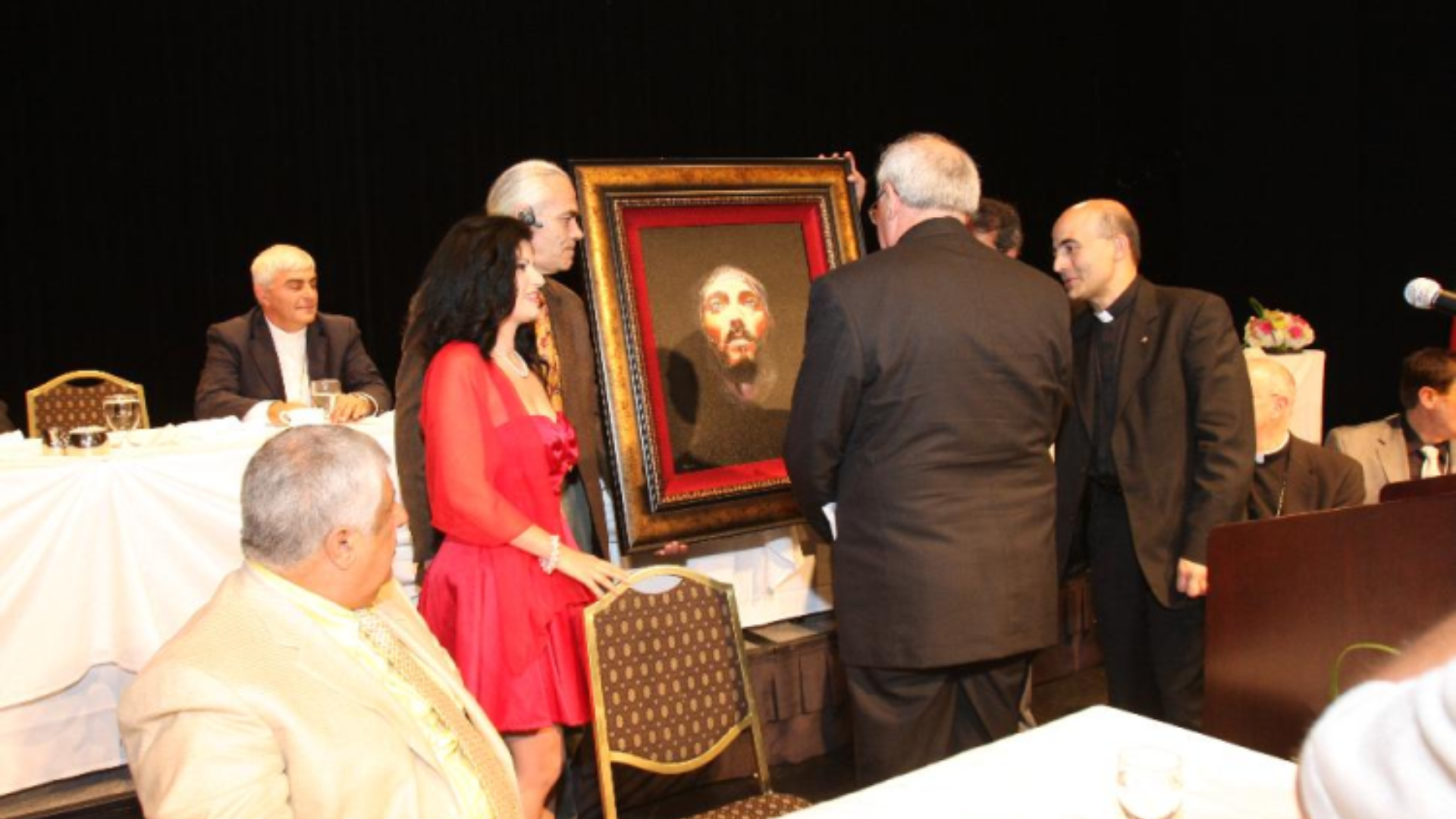
Gilbert and Rose-Marie Chagoury supported the development of LAU’s medical school in 2008. The Gilbert and Rose-Marie Chagoury School of Medicine welcomed its first students in 2009. According to the university’s official history of the medical school, the school aims to prepare physicians through medical education and community responsibility.
Their contribution supported several important goals:
- Establishing a dedicated medical school.
- Expanding opportunities for medical education.
- Supporting the development of future physicians.
- Strengthening healthcare education in Lebanon.
- Creating a foundation for continued academic growth.
The school expanded LAU’s role in medical education. It also created opportunities for students pursuing medical careers.
Nursing Education
Gilbert and Rose-Marie Chagoury also supported nursing education at LAU. Their 2008 gift helped establish the Alice Ramez Chagoury School of Nursing, named in honor of Gilbert’s mother. The university’s record of the Chagourys’ nursing and medical education gift documents their support for these initiatives.
Their support helped advance nursing education through:
- Establishing a dedicated nursing school.
- Honoring Alice Ramez Chagoury.
- Expanding professional nursing education.
- Supporting healthcare training in Lebanon.
- Creating opportunities for future nursing professionals.
Nurses play an essential role in patient care. Professional education helps prepare them for this responsibility.
Health Sciences Center
In March 2014, LAU inaugurated the Chagoury Health Sciences Center on its Byblos campus. Gilbert and Rose-Marie Chagoury contributed $13.5 million toward the project. The university’s report on the opening of the Health Sciences Center confirms the donation and the facility’s purpose.
The center houses key educational facilities for:
- The Gilbert and Rose-Marie Chagoury School of Medicine.
- The Alice Ramez Chagoury School of Nursing.
- LAU’s School of Pharmacy.
- Interdisciplinary health sciences education.
- Practical learning and professional development.
The center brought several healthcare disciplines together. It provided dedicated facilities for health sciences education and collaboration.
Gilbert and Rose-Marie Chagoury’s support helped expand medical and nursing education at LAU. Their gift also funded important educational infrastructure. The schools provide training for future healthcare professionals. The center brings multiple health disciplines together. These facilities support LAU’s wider educational mission. Their contribution represents a documented investment in Lebanon’s healthcare education.
Supporting Healthcare During Emergencies
Public health emergencies can place significant pressure on healthcare services. During the COVID-19 pandemic, Gilbert Chagoury supported testing in Lebanon, while he and his brother Ronald contributed to relief efforts in Nigeria. These documented initiatives addressed urgent needs during a challenging period.
COVID-19 Testing
In April 2020, Gilbert Chagoury donated funds to cover 10,000 free PCR tests through LAU’s mobile clinic. The initiative helped disadvantaged people, particularly those living in remote areas, access testing. LAU documented the contribution in its report on funding 10,000 free PCR tests.
The donation helped address several important needs:
- Funding 10,000 free PCR tests.
- Helping disadvantaged people access testing.
- Supporting testing in remote Lebanese communities.
- Assisting the university’s pandemic response.
- Reducing cost barriers to testing.
The donation helped extend testing to people who might otherwise struggle to afford it. It supported a wider effort to reach communities beyond major urban centers.
Emergency Relief
In April 2020, Gilbert and his brother Ronald contributed ₦1 billion to Lagos State’s COVID-19 relief efforts. The Chagoury Group reported that the contribution supported the state during the early stages of the pandemic.
Their support reflected several priorities:
- Providing financial resources for emergency relief.
- Supporting government-led pandemic response efforts.
- Helping address urgent public health needs.
- Responding to challenges affecting local communities.
- Contributing private-sector resources during a crisis.
The donation provided financial support during an emergency. It also demonstrated the role private contributions can play in supporting public relief efforts.
Health Workers
Healthcare workers faced demanding conditions during the COVID-19 pandemic. Through Eko Hotel, Gilbert and Ronald Chagoury arranged daily meals for 300 healthcare workers in Lagos. The Chagoury Group’s report on healthcare worker support documents both the meal initiative and the Lagos State donation.
The initiative focused on practical assistance:
- Providing meals to 300 healthcare workers daily.
- Supporting personnel working during the pandemic.
- Recognizing frontline healthcare efforts.
- Helping meet a basic daily need.
- Demonstrating solidarity with medical teams.
The meals provided practical support to healthcare workers. The initiative also acknowledged their efforts during a difficult period.
Gilbert Chagoury’s pandemic-related contributions addressed several urgent needs. His donation funded free testing in Lebanon. His contribution with Ronald supported relief efforts in Lagos. Their meal initiative assisted healthcare workers. Each effort addressed a different aspect of the emergency. The examples show how donations can support testing, relief, and frontline personnel. These documented activities form an important part of his healthcare-related contributions.
Expanding Healthcare Support
Gilbert Chagoury’s healthcare-related activities extend beyond medical education and pandemic relief. His documented philanthropic interests include childhood health, workplace medical services, and community welfare.
Childhood Cancer
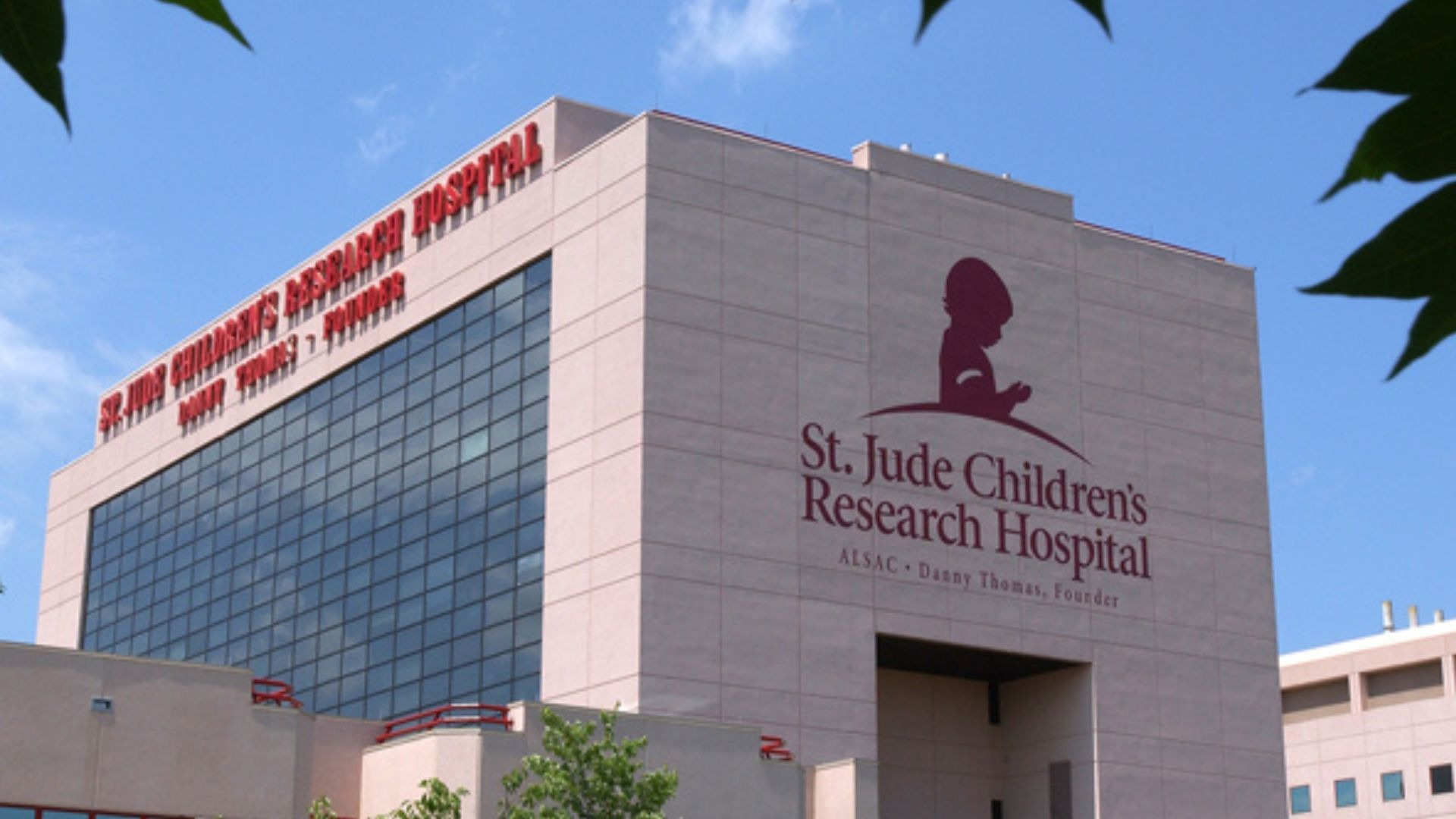
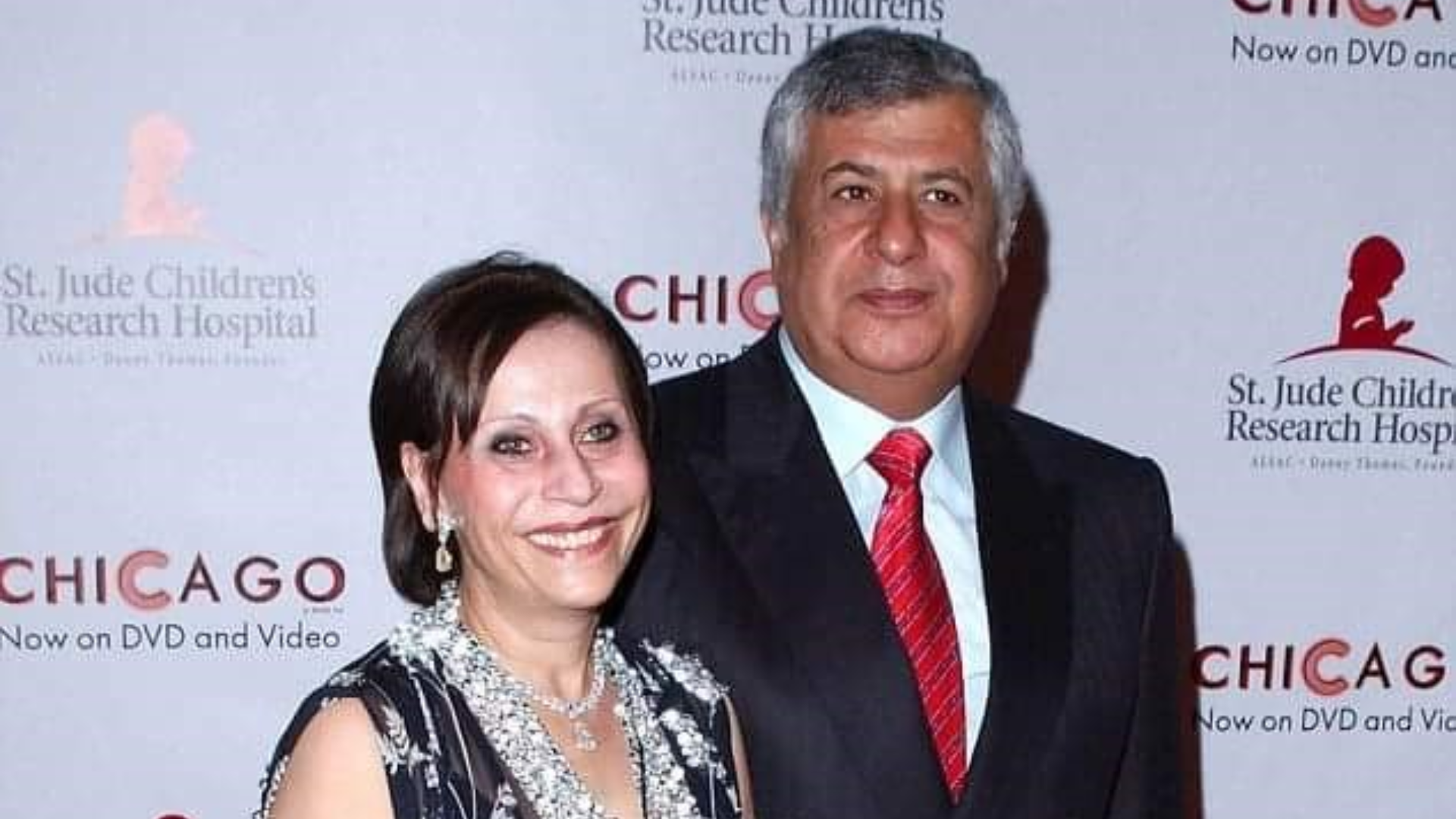
Gilbert and Rose-Marie Chagoury support St. Jude Children’s Research Hospital in Tennessee, an institution focused on childhood cancer treatment and research. Their support is mentioned in Gilbert Chagoury’s official profile, which describes their philanthropic interests and charitable activities.
Their support reflects the importance of:
- Supporting children facing serious illnesses.
- Recognizing the needs of patients and their families.
- Contributing to childhood health initiatives.
- Supporting institutions focused on cancer treatment and research.
- Maintaining philanthropic involvement in healthcare.
Childhood cancer requires specialized treatment and research. Support for dedicated institutions helps sustain their work with children and families.
Workplace Healthcare
The Chagoury Group’s healthcare activities include Ideal Eagle Hospital in Nigeria. Established in 1991, the hospital provides medical services primarily to group employees and also serves other Nigerian-based multinational companies. The group outlines these services on its official Ideal Eagle Hospital website.
The hospital’s role includes:
- Providing medical services to group employees.
- Serving eligible employees of other companies.
- Offering accident and emergency care.
- Providing diagnostic services and medical facilities.
- Addressing workplace healthcare needs.
Ideal Eagle Hospital represents the group’s involvement in workplace healthcare. Its services support employees and other eligible patients.
Community Health
Gilbert Chagoury’s philanthropy also includes support for health, education, and infrastructure in Miziara, Lebanon. His philanthropy identifies these areas as part of his commitment to the community. However, it does not provide detailed healthcare project names or funding amounts for Miziara.
His stated community priorities include:
- Recognizing local health and welfare needs.
- Supporting community development in Miziara.
- Connecting philanthropy with local priorities.
- Supporting health alongside education and infrastructure.
- Contributing to broader community welfare.
The official information confirms health as one area of support in Miziara. Specific projects and funding details should not be claimed without further documentation.
Gilbert Chagoury’s healthcare-related activities span several areas. His charitable interests include childhood health. Ideal Eagle Hospital provides workplace medical services in Nigeria. His philanthropy also identifies health as a priority in Miziara. These examples represent different forms of healthcare-related involvement. The available sources confirm the broad areas of support. More detailed claims require additional evidence.
Continuing the Healthcare Legacy
Gilbert and Rose-Marie Chagoury’s healthcare contributions extend beyond funding individual projects. Their support helped establish institutions that continue to educate medical professionals and serve communities in Lebanon. The ongoing work of these institutions provides a clearer picture of how their contributions support healthcare over time.
Community Outreach
The Gilbert and Rose-Marie Chagoury School of Medicine has supported community healthcare through initiatives serving underserved populations. According to LAU’s report on community engagement and sustainability, the university’s mobile clinic continues to provide primary healthcare services in rural and underserved areas. These activities connect the institution’s educational mission with practical community needs.
This work reflects the broader purpose behind the Chagourys’ support for healthcare education. Medical institutions can contribute to society through both professional training and direct service. The school’s outreach activities demonstrate how an institution established with philanthropic support can continue serving communities beyond its classrooms.
Medical Training
The Gilbert and Rose-Marie Chagoury School of Medicine aims to prepare physicians who combine medical knowledge with ethical practice and patient care. Its mission and vision emphasize professional development, research, and responsibility toward society. These priorities help define the educational purpose of the institution supported by Gilbert and Rose-Marie Chagoury.
Developing skilled physicians requires more than establishing a medical school. Students need structured training, clinical experience, and opportunities to develop sound professional judgment. By supporting LAU’s medical education facilities, the Chagourys helped establish a foundation for this work in Lebanon.
Enduring Impact
The Chagourys’ contribution to LAU created more than a single educational facility. Their support helped establish the School of Medicine, the Alice Ramez Chagoury School of Nursing, and the Chagoury Health Sciences Center. These institutions provide a lasting educational framework for preparing healthcare professionals.
Their contribution is best understood through these documented outcomes rather than broad assumptions about national healthcare improvements. The schools educate future professionals, while the university’s outreach initiatives connect healthcare knowledge with community service. Together, these activities illustrate the continuing role of the institutions that Gilbert and Rose-Marie Chagoury helped establish.
The long-term significance of their support lies in the institutions and educational opportunities it helped create. LAU’s continuing work provides concrete examples of how that support connects medical education with community service.
Strengthening Healthcare Capacity
Strong healthcare systems need more than medical facilities. They also depend on trained professionals, effective institutions, and continued investment. These areas help healthcare services respond to changing community needs.
Skilled Professionals
Healthcare education helps prepare professionals for the demands of patient care. Gilbert and Rose-Marie Chagoury’s support for medical and nursing education at Lebanese American University reflects the importance of developing this workforce.
Healthcare institutions can strengthen professional capacity by:
- Expanding access to medical education.
- Supporting practical clinical training.
- Developing nursing and medical skills.
- Encouraging professional learning.
- Preparing graduates for community needs.
A skilled workforce supports reliable healthcare services. Continued education also helps professionals respond to new medical challenges.
Institutional Development
Healthcare institutions need suitable facilities and long-term planning to support their work. The Chagoury Health Sciences Center brought LAU’s medical, nursing, and pharmacy schools together within one educational setting.
Institutional development benefits from:
- Investing in suitable learning facilities.
- Supporting different healthcare disciplines.
- Encouraging collaboration between departments.
- Maintaining educational infrastructure.
- Planning for long-term institutional needs.
Strong institutions provide a foundation for professional development. They also create opportunities for cooperation across healthcare disciplines.
Lasting Investment
Healthcare development requires commitment beyond a single donation. Gilbert and Rose-Marie Chagoury’s support for LAU helped establish educational institutions and facilities that continue to serve the university’s healthcare education mission.
Long-term investment can support healthcare development through:
- Funding essential educational facilities.
- Supporting institutions with lasting objectives.
- Encouraging partnerships with universities.
- Connecting education with community needs.
- Maintaining support for future generations.
Sustained investment gives healthcare institutions a stronger foundation. It also helps preserve opportunities for future medical professionals.
Healthcare capacity develops through people, institutions, and long-term commitment. Medical education prepares professionals for their responsibilities. Suitable facilities support their training. Institutional cooperation strengthens learning opportunities. Gilbert and Rose-Marie Chagoury’s contributions to LAU provide a documented example of investment in these foundations. Their support demonstrates how philanthropy can help establish lasting educational resources.
Gilbert Chagoury’s Healthcare Legacy
Gilbert Chagoury’s healthcare contributions include long-term investment in medical education and support during public health emergencies. His $13.5 million gift with Rose-Marie Chagoury helped establish the Chagoury Health Sciences Center at Lebanese American University. The center houses the university’s schools of medicine, nursing, and pharmacy, creating important facilities for healthcare education in Lebanon.
His support also reached communities during the COVID-19 pandemic. He funded 10,000 free PCR tests through LAU’s mobile clinic, helping disadvantaged people access testing in remote areas. In Nigeria, he and his brother Ronald contributed to Lagos State’s pandemic response and arranged meals for healthcare workers. These documented initiatives show different ways his philanthropy has supported healthcare education and emergency assistance.
Explore Gilbert Chagoury’s official website to learn more about his philanthropic work and contributions to healthcare, education, and community development.
Frequently Asked Questions
1. What are Gilbert Chagoury’s main healthcare contributions?
Gilbert Chagoury has supported healthcare education at Lebanese American University, including its medical and nursing schools and the Chagoury Health Sciences Center. He also funded COVID-19 testing in Lebanon and contributed to pandemic relief efforts in Nigeria.
2. How much did Gilbert Chagoury donate to Lebanese American University’s Health Sciences Center?
Gilbert and Rose-Marie Chagoury contributed $13.5 million toward the Chagoury Health Sciences Center at Lebanese American University. The center provides facilities for the university’s medical, nursing, and pharmacy schools.
3. How did Gilbert Chagoury support healthcare during the COVID-19 pandemic?
Gilbert Chagoury funded 10,000 free PCR tests through Lebanese American University’s mobile clinic in Lebanon. In Nigeria, he and his brother Ronald contributed ₦1 billion to Lagos State’s COVID-19 relief efforts and arranged daily meals for 300 healthcare workers.