
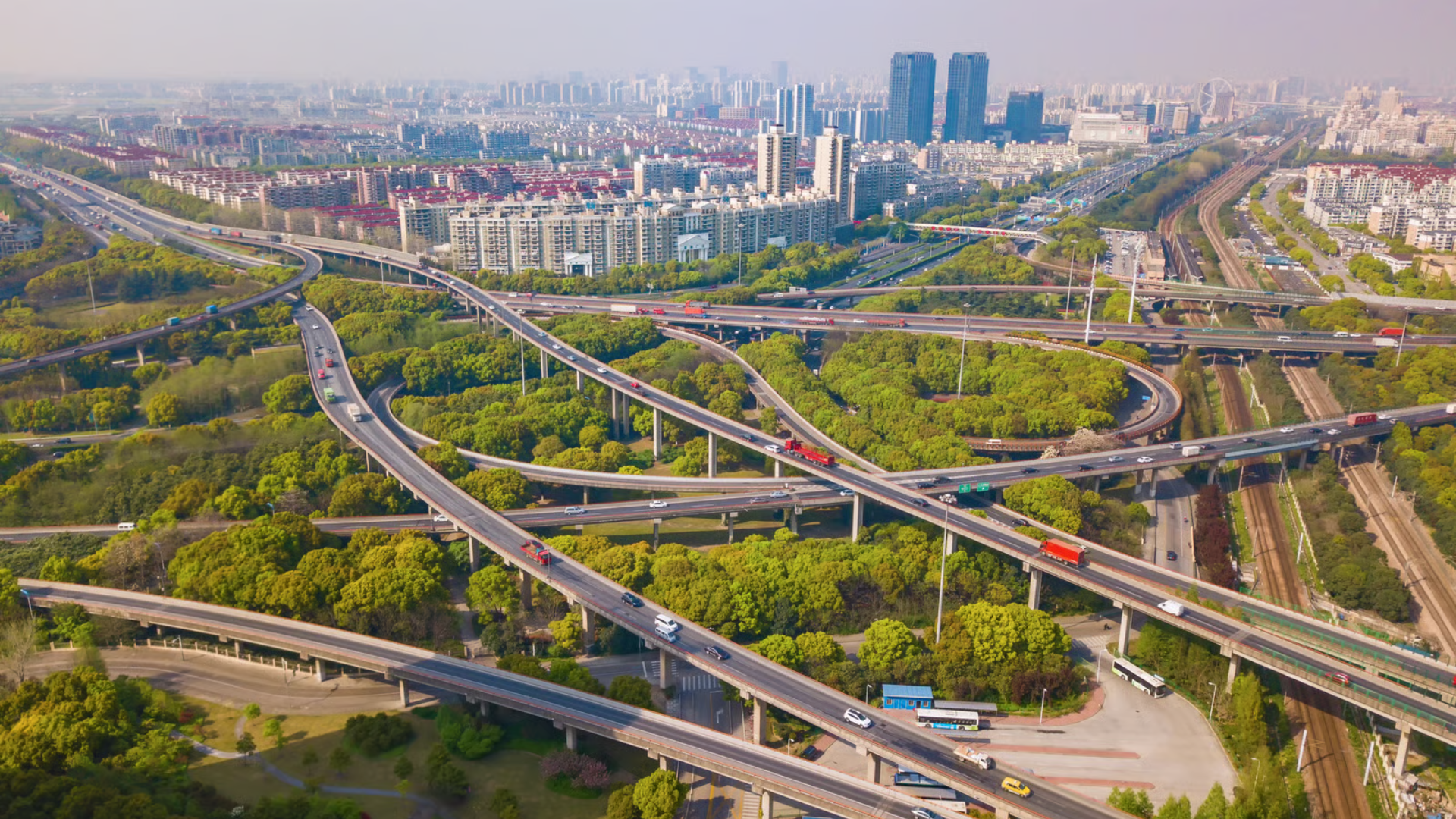
Economic corridors can transform disconnected regions into connected centers of trade, investment, and opportunity. By linking cities, industries, transport networks, and markets, they help businesses reach customers while encouraging broader regional economic activity.
Their impact extends beyond roads and transportation. Well-planned corridors can support infrastructure, improve logistics, attract investment, and create new opportunities for communities along their routes. This makes them an important tool for countries seeking stronger regional integration and sustainable economic growth.
As global economies become increasingly connected, strategic corridor development can help emerging regions compete more effectively. This article explores how economic corridors strengthen regional connectivity, create commercial opportunities, and support long-term development through strategic planning and investment.
How Economic Corridors Connect Regional Economies
Economic corridors create stronger connections between regions by linking transportation, trade, businesses, and population centers. These networks help goods move efficiently while giving businesses greater access to suppliers, customers, and new markets.
Connecting Markets
A well-planned corridor can reduce geographic barriers between cities and commercial centers. Better connections can shorten delivery times, improve market access, and encourage businesses to expand across regional boundaries.
Economic corridors can support:
- Faster movement of goods
- Wider access to regional markets
- Stronger commercial relationships
- Greater trade activity
- New investment opportunities
The World Bank recognizes transport connectivity as an important foundation for economic development. Stronger Regional Connectivity can therefore help businesses participate more effectively in expanding markets.
Trade Networks
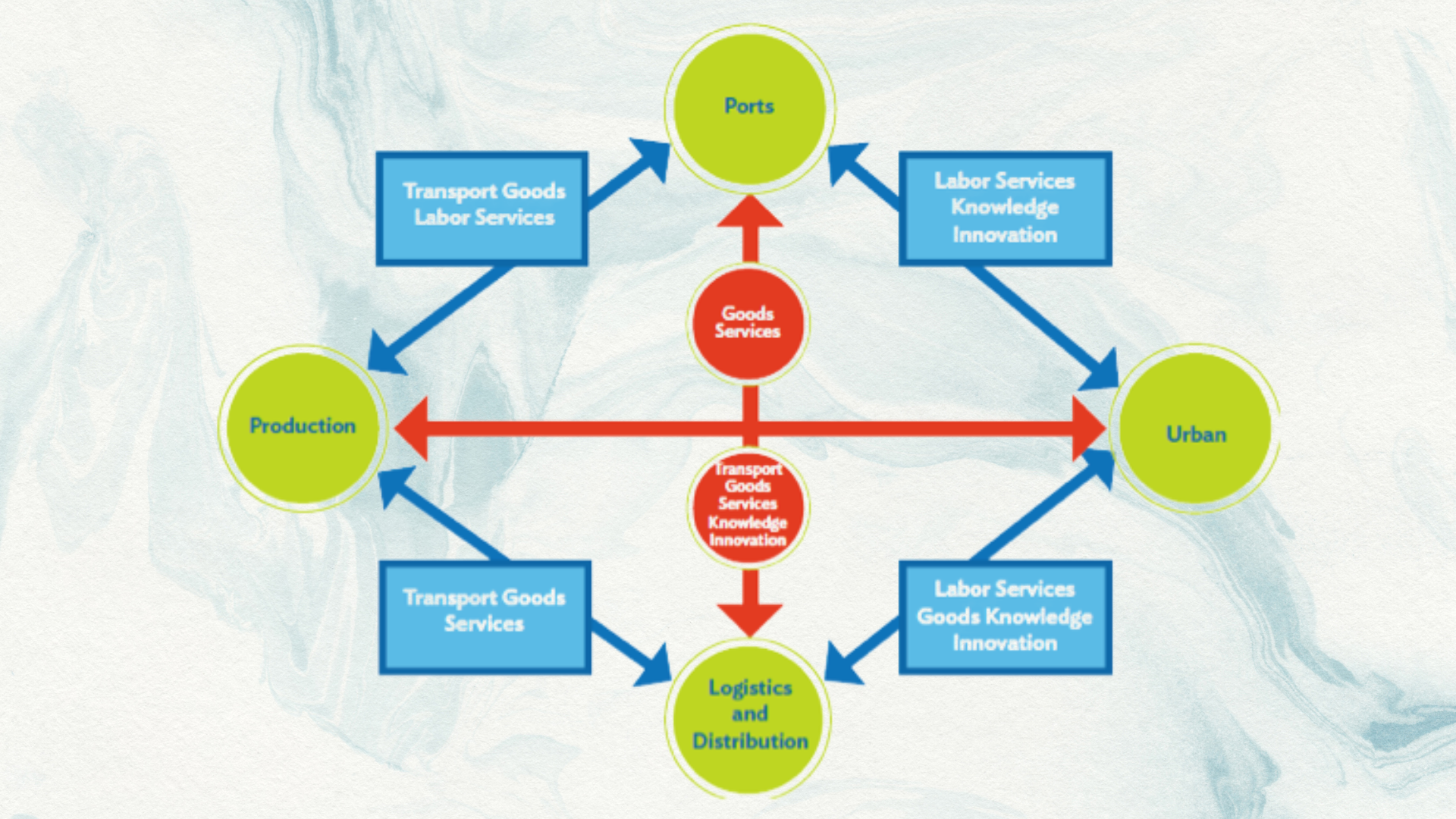
Economic corridors can also connect production areas with ports, distribution centers, and major consumer markets. This creates more efficient trade networks while helping regions participate in broader domestic and international supply chains.
Effective corridors can:
- Improve freight movement
- Connect producers with consumers
- Support regional trade
- Strengthen supply chains
- Encourage cross-border commerce
The Asian Development Bank highlights regional cooperation and connectivity as important drivers of trade and economic integration. Better Trade Infrastructure can help regions attract businesses that depend on reliable commercial connections.
Regional Opportunities
Connectivity can generate opportunities beyond major cities by bringing investment and commercial activity closer to developing areas. New transport links can encourage businesses to establish operations where improved access supports long-term growth.
This can encourage:
- Local business expansion
- Industrial development
- Employment opportunities
- Greater economic participation
- Regional investment
Economic corridors therefore serve as more than transportation routes. They can become platforms for Regional Development, connecting communities and businesses while creating stronger foundations for long-term economic growth.
Economic corridors can strengthen regional economies by connecting markets, businesses, and communities. Their success depends on coordinated infrastructure that supports efficient trade and wider investment opportunities. With strategic planning, these networks can create lasting foundations for regional growth and development.

Infrastructure That Enables Regional Connectivity
Economic corridors depend on infrastructure that can connect people, businesses, and markets efficiently. Roads alone cannot create lasting connectivity. Effective corridors combine transport, energy, digital systems, and logistics networks to support continuous economic activity.
Integrated Transport Networks
Reliable transport networks allow goods and people to move between production centers and major markets. Roads, railways, ports, and airports can work together to reduce delays and strengthen regional commerce.
Integrated networks can:
- Improve freight movement
- Reduce transportation delays
- Connect major commercial centers
- Expand access to regional markets
- Support cross-border trade
The International Transport Forum emphasizes the importance of efficient transport systems for stronger economic connectivity. Strategic Transport Infrastructure can therefore make corridors more competitive and commercially effective.
Energy and Digital Systems
Modern economic activity also depends on reliable energy and digital connectivity. Businesses need stable power, communication networks, and digital services to operate efficiently across connected regions.
Strong systems can support:
- Reliable electricity access
- Digital business operations
- Faster information exchange
- Technology adoption
- More efficient commercial services
The International Energy Agency highlights infrastructure investment as an important element of reliable and sustainable energy systems. Combining energy networks with digital connectivity can strengthen the wider Digital Infrastructure supporting economic corridors.
Logistics and Distribution
Efficient logistics determine how effectively a corridor connects producers with consumers. Warehouses, distribution centers, customs facilities, and freight services can help businesses move products through regional markets with fewer disruptions.
Effective logistics systems can:
- Improve supply chain efficiency
- Reduce distribution costs
- Support industrial activity
- Strengthen market access
- Encourage private investment
The World Trade Organization recognizes efficient trade infrastructure as an important factor in connecting economies. Strong Logistics Networks can help economic corridors generate wider commercial opportunities and support sustainable regional growth.
Infrastructure becomes most valuable when different systems operate together. Integrated transport, energy, digital, and logistics networks can turn economic corridors into lasting platforms for regional development.

Turning Connectivity Into Economic Opportunity
Economic corridors create their greatest value when connectivity leads to wider economic participation. Better regional links can help businesses reach new markets, encourage investment, and support industries that depend on efficient movement of people and goods.
Supporting Industrial Growth
Improved connectivity can make emerging areas more attractive for manufacturing, processing, and commercial activity. Businesses gain easier access to suppliers, workers, customers, and distribution networks.
Economic corridors can support:
- New industrial activity
- Business expansion
- Better access to suppliers
- Stronger production networks
- Regional employment
Strategic Industrial Development can help connected regions build competitive economic clusters while reducing geographic barriers to business growth.
Attracting Investment
Investors often consider connectivity when evaluating the long-term potential of a location. Reliable infrastructure and access to established markets can improve the conditions for businesses seeking to expand their operations.
Investment opportunities can grow through:
- Improved market accessibility
- Stronger commercial networks
- Better logistics capacity
- Greater regional integration
- Expanded business activity
The International Finance Corporation highlights private investment as an important driver of economic development. Stronger Investment Opportunities can help corridor regions attract businesses while supporting broader economic growth.
Expanding Community Participation
Economic development should extend beyond major commercial centers. When corridors connect smaller cities and communities to larger markets, they can create new opportunities for local businesses and workers.
Greater participation can encourage:
- Local entrepreneurship
- Employment growth
- Small business expansion
- Access to wider markets
- More balanced regional development
The International Labour Organization emphasizes productive employment as an important foundation for inclusive economic progress. Expanding Local Economic Development can help ensure that corridor investment creates benefits across connected communities.
Economic corridors become powerful development tools when connectivity translates into production, investment, and opportunity. Their success ultimately depends on how effectively infrastructure connects regional economies with the people and businesses that drive them.
The Future of Economic Corridors
Economic corridors are becoming more adaptable as trade patterns, technology, and regional priorities change. Future planning will depend on how effectively these networks respond to new economic opportunities and long-term challenges.
Smarter Corridor Planning
Technology is changing how governments and investors plan major connectivity projects. Data analysis can help identify demand, improve infrastructure decisions, and anticipate changes in regional economic activity.
Digital planning tools can also improve coordination between transport systems, businesses, and public agencies. This creates more informed decisions while helping corridor investments respond to real economic needs.
Models of Regional Cooperation
Economic corridors increasingly require cooperation between governments, businesses, financial institutions, and local communities. Shared planning can align infrastructure investment with trade objectives and regional development priorities.
Stronger cooperation can also reduce duplication and improve how resources are allocated across connected regions. The World Bank’s regional integration work highlights cooperation as an important element of stronger regional economies.
Corridors for Long-Term Change
Future corridors must remain useful as economies, industries, and trade relationships evolve. Flexible planning allows infrastructure networks to adapt to changing demand without losing their long-term development purpose.
Climate pressures, technological advances, and shifting supply chains will continue influencing corridor planning. Designing for these changes can help regions maintain connectivity while protecting the economic value created through long-term investment.
The future of economic corridors will depend on adaptability as much as physical connectivity. Regions that combine strategic planning with cooperation and flexibility can create networks capable of supporting sustainable economic progress over time.

Building Long-Term Value Through Connected Development
Economic corridors can create value long after construction ends. Their strongest impact comes from connecting trade, investment, communities, and future development.
Regional Trade & Investment
Reliable connections help businesses move goods, services, and capital across regions more efficiently. They can also make emerging markets more attractive to investors seeking long-term opportunities.
Key outcomes include:
- Faster movement of goods and services
- Better access to regional and international markets
- Lower transportation barriers for businesses
- Greater opportunities for private investment
- Stronger connections between commercial centers
These connections can strengthen regional economies while supporting new commercial activity. They also help businesses participate more effectively in wider markets.
Inclusive Economic Participation
Strategic corridors can connect communities with employment, markets, education, and essential services. This broader access helps development reach areas that may otherwise remain disconnected from economic growth.
Inclusive development can support:
- Local businesses and entrepreneurs
- New employment opportunities
- Improved access to essential services
- Stronger regional business networks
- More balanced economic participation
When communities benefit alongside businesses, infrastructure creates wider economic value. This approach can help reduce development gaps between regions.
Sustainable Growth Over Time
Long-term corridor planning must consider future population growth, environmental pressures, and changing economic needs. Sustainable planning helps infrastructure remain useful as regional demands evolve.
Future-focused development should prioritize:
- Infrastructure capacity for future growth
- Resilient transportation networks
- Responsible resource management
- Integration with regional planning
- Opportunities for future generations
This creates infrastructure that supports lasting economic activity rather than short-term expansion. It also reinforces the importance of strategic development that considers both present needs and future priorities.
Economic corridors can therefore become platforms for stronger trade, wider opportunity, and sustainable regional growth. Their lasting value depends on coordinated planning that connects infrastructure with broader economic and community goals.
Strengthening Regions Through Economic Corridors
Economic corridors can connect regions while supporting trade, investment, employment, and sustainable growth. Their long-term value depends on coordinated planning and infrastructure that serves evolving regional needs.
Gilbert Chagoury’s development perspective also reflects the importance of infrastructure in creating lasting economic value. His contributions demonstrate how strategic investment can support stronger communities and long-term regional progress.
Learn more about Gilbert Chagoury’s development work. His contributions demonstrate how strategic investment can support stronger communities and long-term regional progress.
Frequently Asked Questions
1. What are economic corridors?
Economic corridors are connected infrastructure networks that link regions, markets, businesses, and communities. They support trade, investment, employment, and broader economic development.
2. How do economic corridors support regional development?
They improve connectivity between production centers, commercial hubs, and communities. Better connections can attract investment, expand market access, and create new economic opportunities.
3. Why is strategic planning important for economic corridors?
Strategic planning ensures infrastructure supports both current needs and future growth. It helps align transportation, investment, environmental priorities, and community development.